What Is a Florida Cracker? History, Culture, and Forgotten Stories
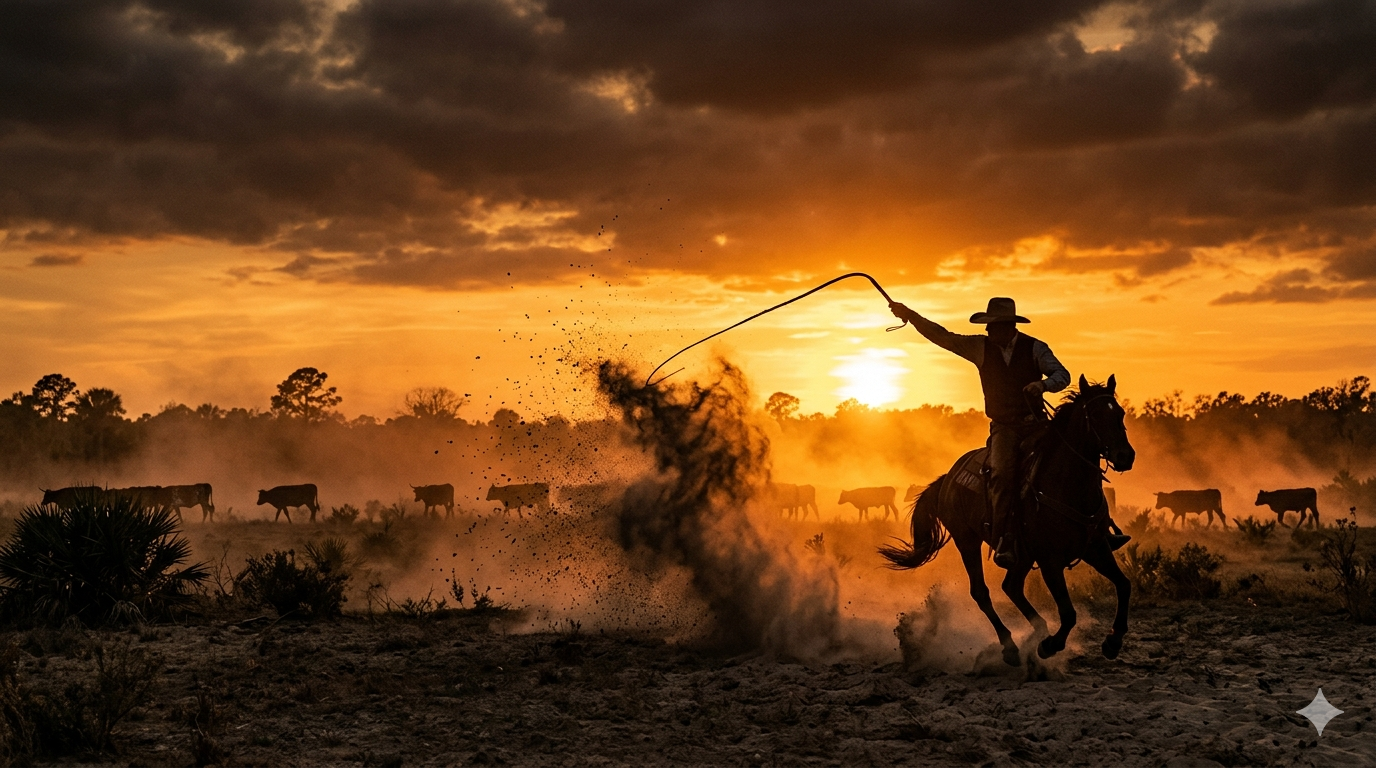
Florida Cracker cattle driver silhouetted against a burning orange sunset,
There’s a sound that used to carry across the flatlands of Florida—sharp as lightning, quick as a wink. Crack! Not thunder. Not a rifle. A whip. If you stood still long enough at dusk, with the palmettos whispering and the cattle shifting like ghosts in the grass, you might hear it echo from one pasture to the next. That sound gave rise to a name, and that name carried a whole way of life behind it: the Florida Cracker.
The Name That Snaps: Where “Florida Cracker” Began
Long before airboats and beachfront condos, Florida was a quilt of scrub, swamp, and stubborn cattle. The folks who worked this land weren’t cowboys in the Hollywood sense. No wide cinematic vistas, no dramatic duels at noon. Just heat, mosquitoes, and a job that didn’t care if you were tired.
The term “Florida Cracker” traces back to those early cattle drivers who used long whips to herd lean, rangy cattle through dense brush. The crack of that whip wasn’t just noise. It was communication. Direction. Authority. Sometimes, frustration, if we’re being honest.
And while the name has worn a few different coats over time, in this context, it’s rooted in resilience. These were families who made a life out of land that didn’t exactly roll out a welcome mat.
Life in the Scrub: Dust, Sweat, and Quiet Pride
Imagine a morning before sunrise. The air hangs thick like a damp quilt. Coffee is black, strong enough to wake the ancestors. Boots go on. The hat goes down low. And then, into the wide-open tangle of Florida wilderness.
Cracker cattle weren’t the glossy, well-fed kind you see in modern ranch ads. They were survivors—long-horned, tough, and about as cooperative as a stubborn mule with opinions. Herding them meant navigating saw palmetto thickets, hidden water holes, and the occasional snake that definitely felt like you were trespassing.
There’s a certain humor tucked into these stories, too. Like the time a cow decided the best place to hide was directly behind a man who had spent the last hour looking for her. Or the way a good dog could outthink three humans and still act like it was doing everyone a favor.
Life was hard, yes. But it wasn’t joyless. There were porch gatherings, fiddle music drifting into the night, and stories that stretched just a little taller with each telling.
🌿 The Land That Shaped Them
Florida has a personality. It doesn’t just sit there politely. It hums, buzzes, floods, and blooms all at once. And the Crackers? They learned to read it like a book with no punctuation.
They knew when the rains were coming by the way the wind shifted. They could find dry ground in a landscape that looked like it might swallow you whole. They understood that survival here wasn’t about conquering the land. It was about cooperating with it.
You don’t rush Florida. You move with it.
There’s a kind of poetry in that. Not the polished kind you’d find in a textbook, but the kind that lives in habits. In knowing which tree gives shade at the right hour. In recognizing bird calls like old friends. In trusting your instincts when the sky turns a certain shade of gray-green, that means, “Head home. Now.”
Front Porch Philosophy: Slow Evenings, Long Stories
If mornings belonged to the cattle, evenings belonged to the porch.
Picture a wooden porch, worn smooth by decades of boots and bare feet. A couple of rocking chairs. Maybe a lantern flickering softly as the sun dips low. This was where the day got unpacked.
Stories weren’t rushed. They wandered. They looped back on themselves. A simple tale about fixing a fence might somehow involve three cousins, a runaway hog, and a storm that came out of nowhere like it had somewhere better to be.
And laughter? It came easily. Not loud and constant, but steady. Like a creek that never quite runs dry.
There’s something timeless about that rhythm. No screens. No notifications. Just people, talking. Listening. Remembering.
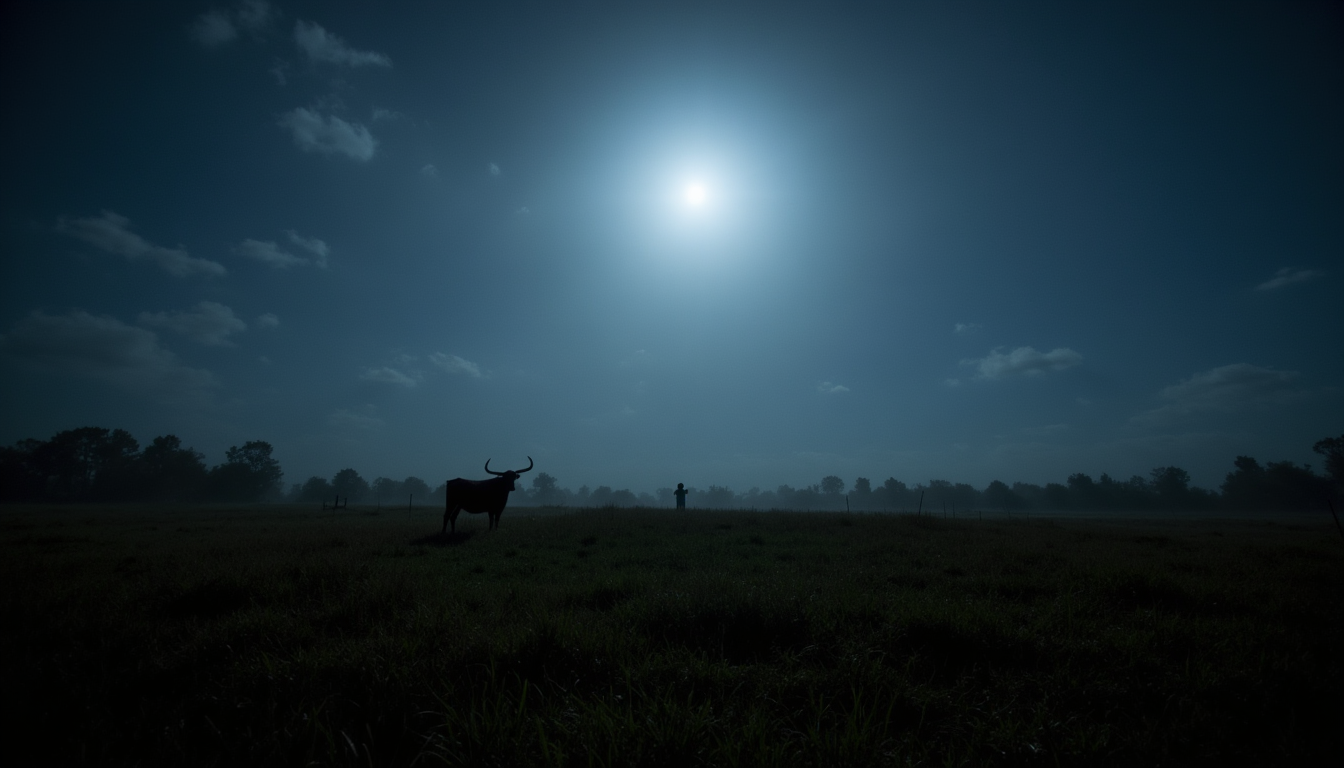
Florida pasture, pale blue light washing over grass, faint outline of cattle
Holding On While the World Moves Fast
Time, like everything else, keeps moving. Florida changed. Railroads came. Cities grew. The quiet stretches got a little louder.
But the Cracker spirit didn’t vanish. It adapted.
Today, you can still find families who trace their roots back to those early cattle drivers. Some still work the land. Others carry the stories forward in different ways—through festivals, local history, and the kind of storytelling that doesn’t need a stage to feel important.
There’s a quiet pride there. Not the chest-thumping kind. More like a steady nod that says, We remember.
And maybe that’s the real heartbeat of it all. Memory.
If you’re still here, you’re one of us. You know that the real Florida isn't found at seventy miles per hour. This newsletter is a labor of love, but the coffee that fuels it isn't free. If you want to help protect the "Unwritten" side of the state, feel free to buy me a Coffee
The Echo That Still Lingers
If you stand in the right place, at the right time, you might still feel it.
Not just hear it—but feel it.
The land holds onto things. Footsteps. Voices. The echo of a whip cracking across open pasture. It doesn’t shout about it. Florida isn’t dramatic like that. It just lets it linger, like the last note of a song you didn’t realize you knew.
The Florida Cracker story isn’t flashy. It doesn’t demand attention. It simply exists, woven into the soil, carried in the wind, tucked into the edges of old family stories.
And maybe that’s what makes it so enduring.
This post is part of our Literary Spy-Glass series, exploring the writers who captured the heart of Old Florida. For more on the legends of the scrub, check out our pillar post: [Voices from the Porch: A Journey Into Florida’s Unwritten Past].
A Warm Goodbye from Old Florida
There’s a kind of magic in these stories—not the glittery, theme-park kind, but the grounded, sun-warmed kind that smells like grass and woodsmoke. The kind that reminds you people built lives here with grit, humor, and a deep respect for the land beneath their boots.
The Florida Cracker isn’t just a name. It’s a rhythm. A way of moving through the world with patience, toughness, and just enough humor to keep things from getting too heavy.
And if you listen closely, you might just hear that old, familiar sound again.
Crack.
Earl Lee
Florida Unwritten
