The Ecosystem’s Comeback Tour
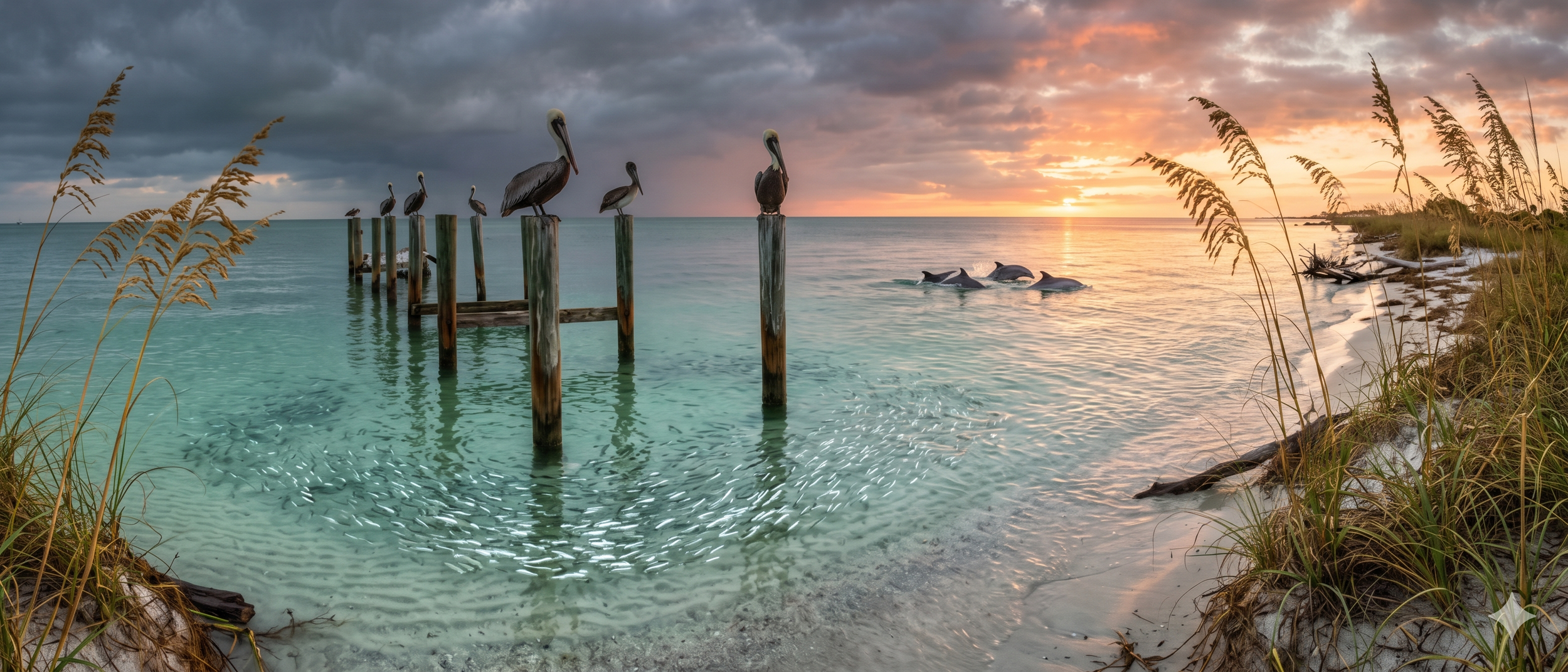
Hopeful Florida coastal ecosystem scene after a hurricane, pelicans perched on weathered dock posts
A funny thing happens after a Florida hurricane.
The silence shows up first.
Not true silence.
Florida never really allows that. There’s always a gull arguing with the wind somewhere,
Always a palm frond clapping like it forgot the show ended.
But after a storm, the beach goes still in a way that feels unfamiliar.
The air smells like salt and broken pine needles. Sand sits in places it has no business being.
Patio chairs disappear into canals like they finally got tired of paying insurance premiums.
And for a little while, you wonder if the coast will ever feel alive again.
Then nature starts clocking back in.
Slowly at first.
A ghost crab skitters sideways across the wet sand as if nothing happened.
Pelicans return to their posts, looking deeply unimpressed by humanity’s panic.
Tiny baitfish flicker in the shallows again, silver as loose change under the sun. Before long,
the Gulf begins rebuilding itself right in front of your eyes.
Around here, we call that Tuesday.
Because Florida’s ecosystem does not quit easily.
It bends. It disappears for a moment. Then it comes roaring back like a retired rock band climbing onto stage for one more sold out tour.
And honestly, the encore is beautiful.
JOIN IMAGE CLICK HERE
The Creatures Beneath the Surface
Most people come to the beach for sunsets, frozen drinks,
and the annual tradition of pretending they’ll definitely rinse the sand out of the car tomorrow.
But beneath those postcard moments is an entire living machine quietly keeping the coast alive.
Sea turtles glide through Gulf currents with the patience of old souls.
These creatures survived dinosaurs, ice ages, and somehow modern boat traffic. Every summer,
they crawl ashore under moonlight to lay eggs in the same sands their ancestors used millions of years ago.
Watching one emerge from the surf feels less like spotting wildlife and more like witnessing ancient Florida itself.
And they matter more than most people realize.
Sea turtles help maintain healthy seagrass beds,
which act like underwater nurseries for fish, crabs, and countless marine species.
Healthy seagrass also helps stabilize sediment and improve water quality. In other words,
those turtles are doing unpaid coastal maintenance work while the rest of us argue about parking.
Then there are the dolphins.
After storms, locals often look for them first. It becomes its own quiet ritual. Someone inevitably says,
“Saw dolphins this morning,” and suddenly everybody exhales a little easier.
Like the coast itself just texted back, Still here.
That’s the thing about marine life in Florida. It becomes emotional infrastructure.
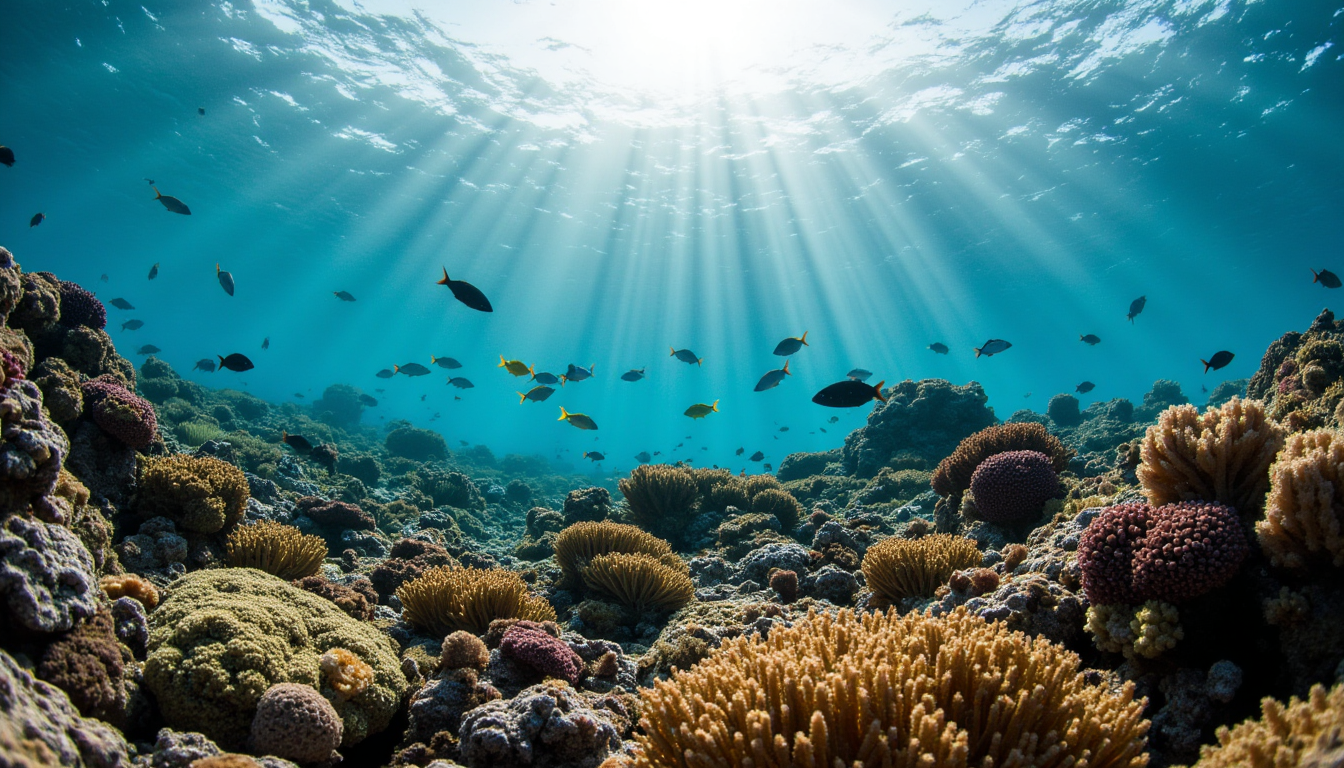
A vibrant Florida coral reef recovering after a storm
Coral Reefs: Florida’s Underwater Storm Walls
Far offshore, beyond the beach umbrellas and fishing piers,
another comeback story unfolds beneath the water.
Florida’s coral reefs take a beating during hurricanes. Massive waves can break coral apart,
churn sediment into the water, and reshape entire underwater landscapes overnight.
Yet somehow, these reefs continue rebuilding themselves season after season.
Coral reefs are often called the rainforests of the sea, but down here they’re also something else:
Florida’s hidden seawall.
They soften wave energy before it reaches shore, helping reduce erosion and storm surge impacts.
Entire ecosystems shelter within those twisting coral structures.
Tiny fish hide there. Lobsters crawl through the crevices.
Sea fans sway back and forth like underwater porch curtains.
Even damaged reefs refuse to stop trying.
There’s something deeply familiar about that if you’ve lived through enough hurricane seasons.
Floridians understand rebuilding.
We understand patching fences under brutal humidity while somebody cooks hot dogs from a generator-powered freezer.
We understand neighbors helping neighbors before the paperwork even begins.
Coral reefs do the same thing, just underwater and without Facebook posts about it.
The Beach Comes Back Before You’re Ready
After Hurricane Helene rolled through, St. Pete Beach looked exhausted.
The dunes were chewed apart. Sea oats leaned sideways.
Debris sat tangled along the tide line like the Gulf had emptied its pockets onto shore.
And yet, within days, signs of life started slipping back in.
Shorebirds returned first.
Sanderlings darted along the surf chasing foam.
Brown pelicans dive-bombed bait schools with the confidence of creatures who’ve survived every storm humans can remember.
Then came the dolphins again,
surfacing offshore like old regulars reclaiming their booth at breakfast.
The ecosystem was reopening for business.
Locals noticed it immediately.
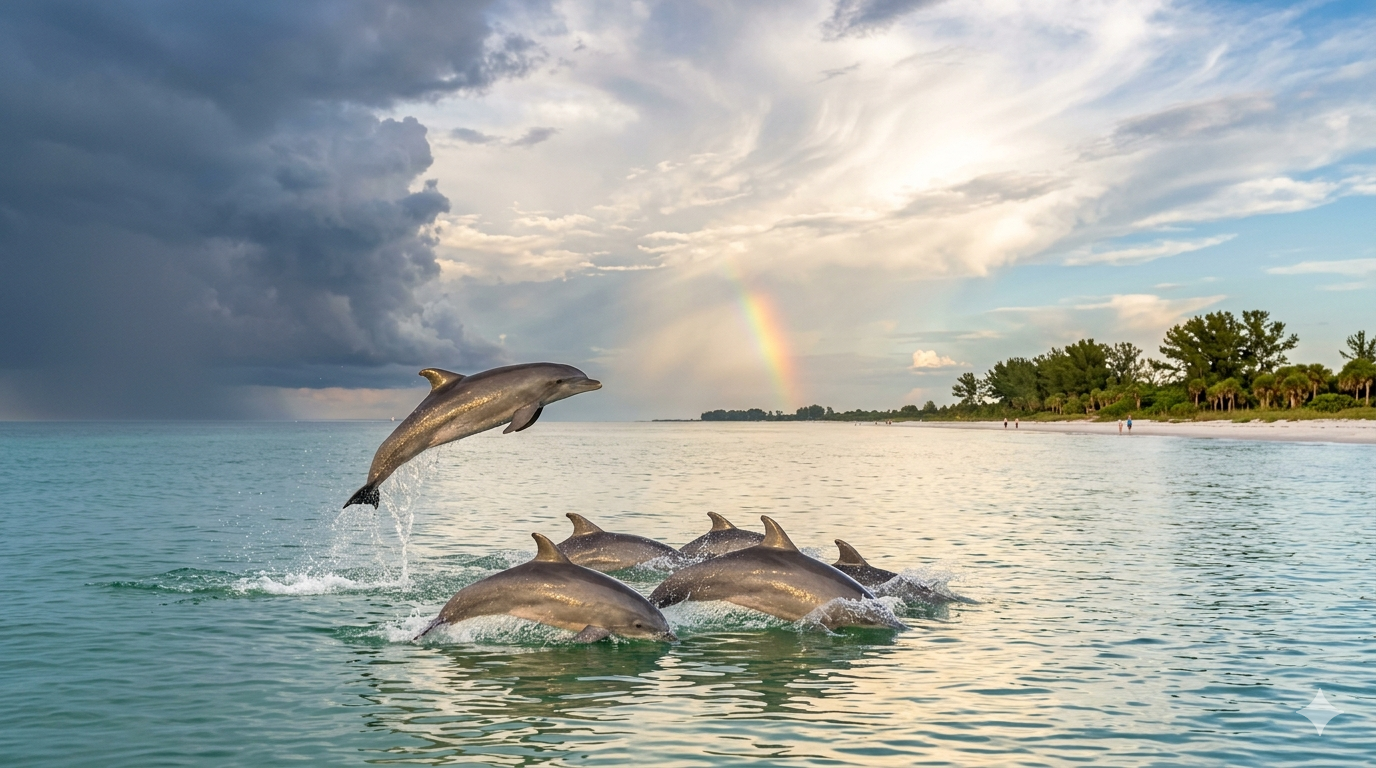
Capture the serene moment of a pod of dolphins breaching the surface of the calm, turquoise waters
People wandered back onto the beach carrying coffee cups and stories.
Everybody had a hurricane tale. Generators. Flood water.
Lost fences. Melted freezer disasters.
One guy swore his grill floated three blocks before getting caught in mangroves.
But alongside the exhaustion came gratitude.
Because the beach was still there.
Maybe rearranged. Maybe bruised. But alive.
Children started building sandcastles again without realizing they were playing atop a landscape that had just fought for survival.
Paddleboarders returned to the calmer water.
Fishermen lined the shore at sunrise like they’d never left.
Florida recovery rarely arrives with trumpets.
It arrives with baitfish.
Nature’s Quiet Reminder
One of the strangest things about storms is how quickly nature moves forward.
Humans replay hurricanes for months, sometimes years.
We tell the stories over dinners and backyard barbecues. We remember the sounds. The darkness.
The strange green color the sky turns before everything goes sideways.
Nature just keeps going.
A heron still hunts the shoreline the next morning.
A turtle still nests when the season arrives.
Mangroves start regrowing even after getting shredded by wind and surge.
Tiny shoots emerge from broken branches like the coastline itself refuses to surrender.
There’s comfort in that.
Not because storms become less frightening, but because Florida’s ecosystem reminds us that resilience is not loud.
It’s steady. Persistent. Saltwater tough.
It’s the neighbor handing out extension cords.
It’s kids laughing in the surf while adults compare insurance adjuster stories.
It’s watching dolphins surface offshore after the storm clouds finally leave town.
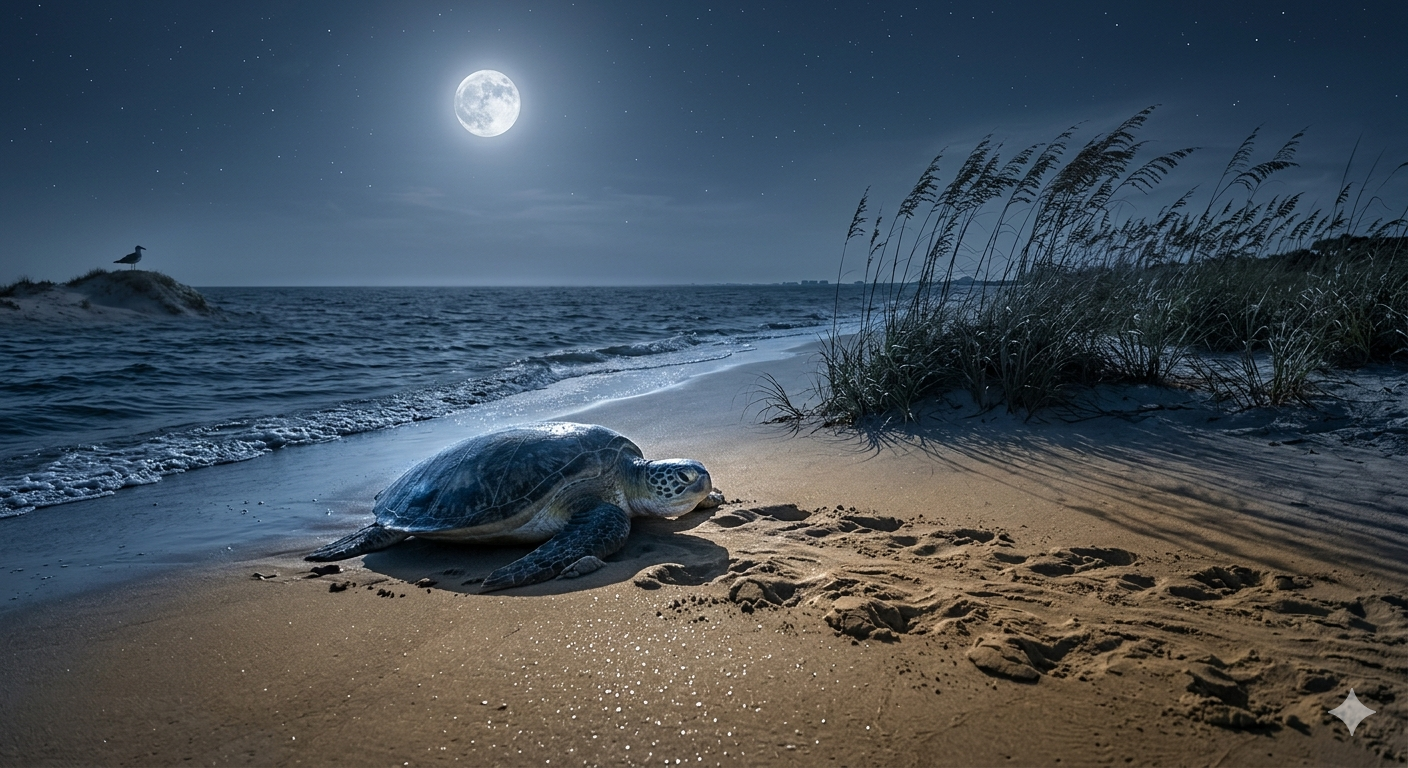
A solitary sea turtle emerges from the tranquil Gulf of Mexico
Florida’s Never Really Finished
Living on the coast teaches you something eventually:
Florida is never finished rebuilding itself.
The shoreline shifts. Sand moves. Birds migrate. Reefs grow, break, and grow again.
Hurricanes arrive with names that sound harmless until they’re not. Yet somehow, life keeps returning to the water.
Maybe that’s why so many people stay here despite everything.
Not because Florida is easy.
Because it’s alive.
Wildly, stubbornly alive.
And every time the ecosystem begins another comeback tour, it reminds us we’re part of it too.
The tides return.
The pelicans return.
The neighbors return.
And little by little, so do we.
Share this story cta
Follow the current. Till next time.
Florida Unwritten.com
