A Guide to Florida’s Hidden Springs
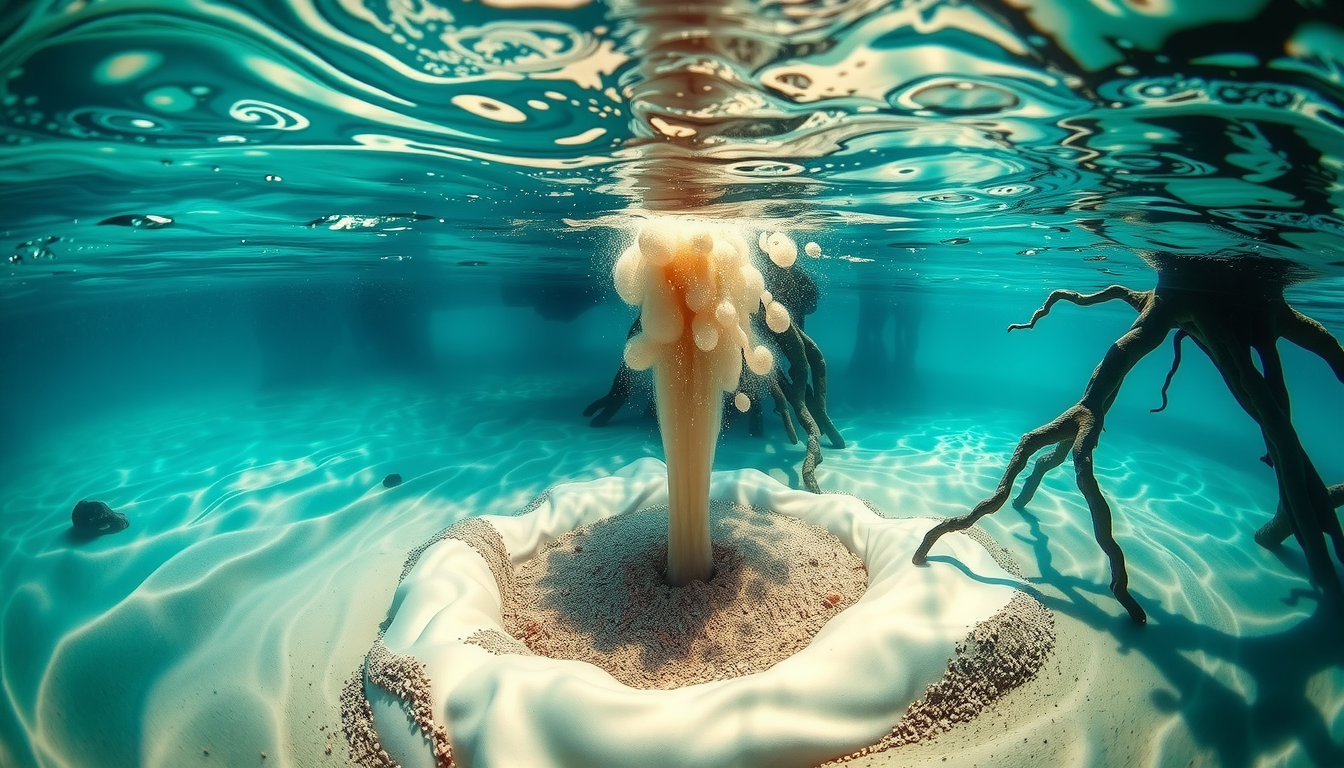
“Underwater view of a Florida spring boil, sand bubbling upward from limestone vent, crystal-clear visibility”
The emerald waters of the Floridan Aquifer.
If you tell someone you’re going to Florida, they immediately picture salt, sand, and seagulls aggressively negotiating for your Publix sub.
They picture I-4 traffic, theme park lines, and SPF 50. But there is a different Florida, an older, quieter one, hiding just off the two-lane highways lined with boiled peanut stands.
It’s a Florida that bubbles up from deep within the earth at a startling, unforgiving 72 degrees, 365 days a year.
Welcome to the springs. This is the freshwater heart of the state, a sprawling subterranean network of limestone caves that pushes millions of gallons of crystal-clear water to the surface every single day.
The Shock of the Plunge: First Impressions
There is a specific rite of passage when visiting a Florida spring for the first time. You stand on the wooden dock, sweating through your swimsuit in the 95-degree July humidity.
The water below you is an impossible shade of sapphire, so clear you can count the pebbles on the bottom twenty feet down.
You jump. And for exactly three seconds, your soul leaves your body.
Seventy-two degrees doesn't sound cold until you are entirely submerged in it. It is a baptism by ice water.
It knocks the breath out of your lungs and the sleep out of your eyes. But once the initial shock wears off, the magic sets in. You are floating in liquid glass.
The smell of cypress needles and damp earth fills the air, and suddenly, the oppressive Florida summer feels a million miles away.
"The springs don't care how hot it is in Orlando. Down here, in the limestone, time and temperature stand perfectly, beautifully still."
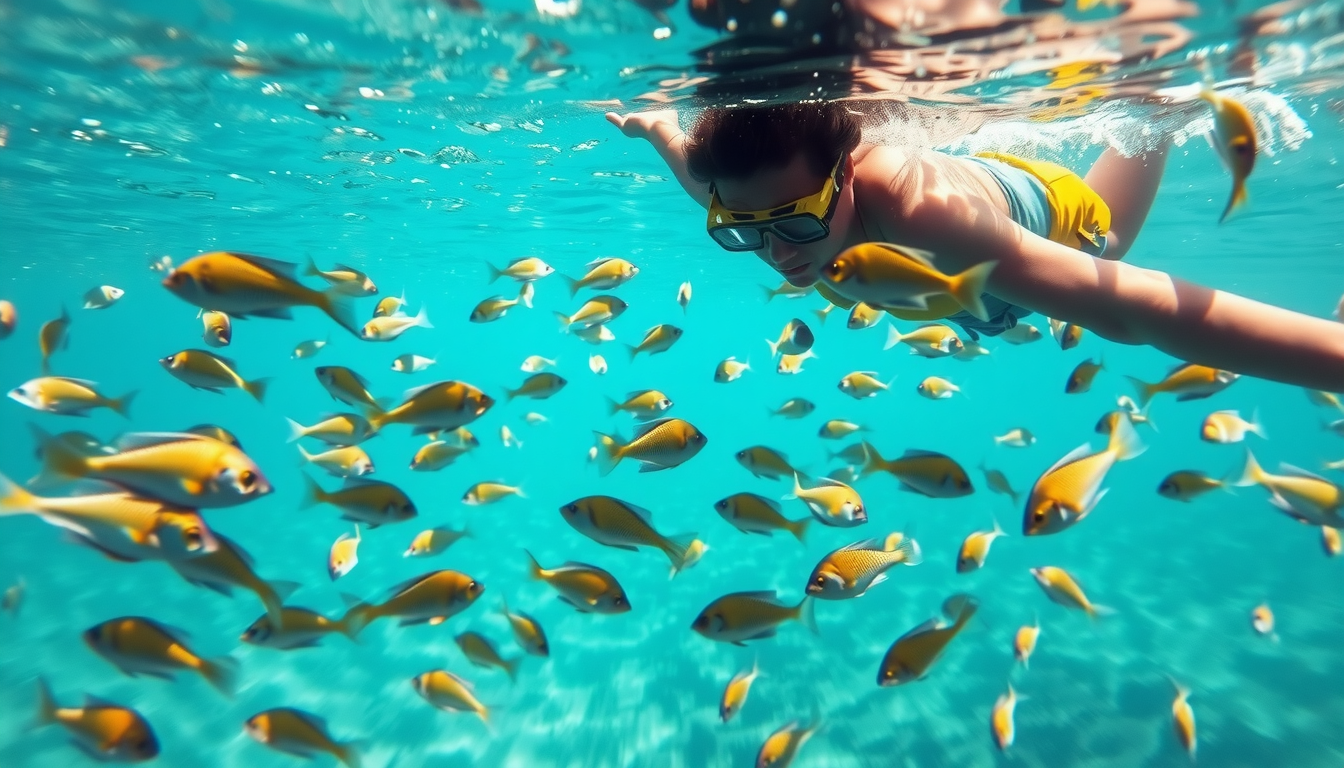
“Snorkeler above a spring vent in Florida, water so clear it looks invisible, fish swimming below”
The Ichetucknee Drift: A Masterclass in Doing Nothing
If you want to understand the culture of the springs, you have to go tubing. And there is no better place for it than Ichetucknee Springs State Park.
The ritual begins before you even enter the park. You pull over at a roadside stand—usually a cinderblock building with hand-painted signs—to rent a tube.
You hand over five dollars to a guy who has definitely been wearing the same faded Guy Harvey shirt since 1998, and he hands you a massive,
black rubber tractor inner tube. It smells faintly of rubber and river mud. It is perfect.
Floating the Ichetucknee is an exercise in surrender.
You don't paddle; you just let the gentle current take you. Above, a canopy of ancient live oaks and cypress trees drips with Spanish moss, filtering the harsh sun into a soft, dappled green light.
Turtles sun themselves on fallen logs, ploping into the water as you drift by. It takes about three hours to float the whole river, and by the end of it, your fingers are pruned, your shoulders are sun-kissed, and your stress is entirely gone.
The Sapphire Boils of Ocala National Forest
While Ichetucknee is for floating, the springs of the Ocala National Forest are for exploring. Alexander Springs and Juniper Springs look like they were designed by a fantasy concept artist.
At the center of these swimming holes is "the boil"—the exact spot where the water forces its way out of the aquifer. If you bring a snorkel (and you absolutely must bring a snorkel), you can swim right over the boil.
The force of the water pushes you back slightly, and as you look down into the dark, rocky crevice, you realize you are staring into the plumbing of the earth itself.
Schools of mullet flash silver in the sunlight, and occasionally, a blue crab will scuttle across the sandy bottom, looking incredibly lost but doing its best.
Winter Visitors: Sharing Space with Sea Cows
The springs change character in the winter. When the Gulf of Mexico drops below 68 degrees, the 72-degree spring water suddenly feels like a warm bath. And we aren't the only ones who notice.
From November to March, the springs become a refuge for the West Indian Manatee. Places like Blue Spring State Park and Crystal River are filled with hundreds of these gentle giants.
They look like floating, over-inflated baked potatoes, and they move with a slow, deliberate grace that demands respect.
If you are lucky enough to be in the water when a manatee swims by, the rule is simple: freeze. Let them pass.
They are curious creatures, and sometimes a calf will drift over to inspect you, its whiskered snout twitching. It is a profoundly humbling experience to share the water with something so large and so entirely peaceful.
These waters are ancient, fragile, and entirely unforgiving if you drop your sunglasses.
But they are the true heart of the state. The next time you find yourself driving down I-75, look for the brown state park signs. Take the exit. The cold water is waiting.
Best Hidden Springs to Visit in Florida
Ichetucknee Springs State Park
The gold standard for tubing. Clear water, gentle current, and a canopy that turns sunlight into something softer.Alexander Springs
Wide, shallow, and perfect for swimming and snorkeling over the sandy bottom.Juniper Springs
Smaller, wilder, and wrapped in dense forest that feels almost primeval.Blue Spring State Park
Winter is home to hundreds of manatees, where the water becomes a refuge for gentle giants.Silver Glen Springs
Bright, open, and electric blue, with a mix of spring water and lake influence.🌊 SHARE THIS
Enjoying Florida Unwritten?
Forward this to a friend or share it—
That’s how these stories keep moving.
Florida Unwritten
© 2026 Florida Unwritten. All rights reserved.
