The Gentle Migration: Blue Spring and the Great Winter Exhale
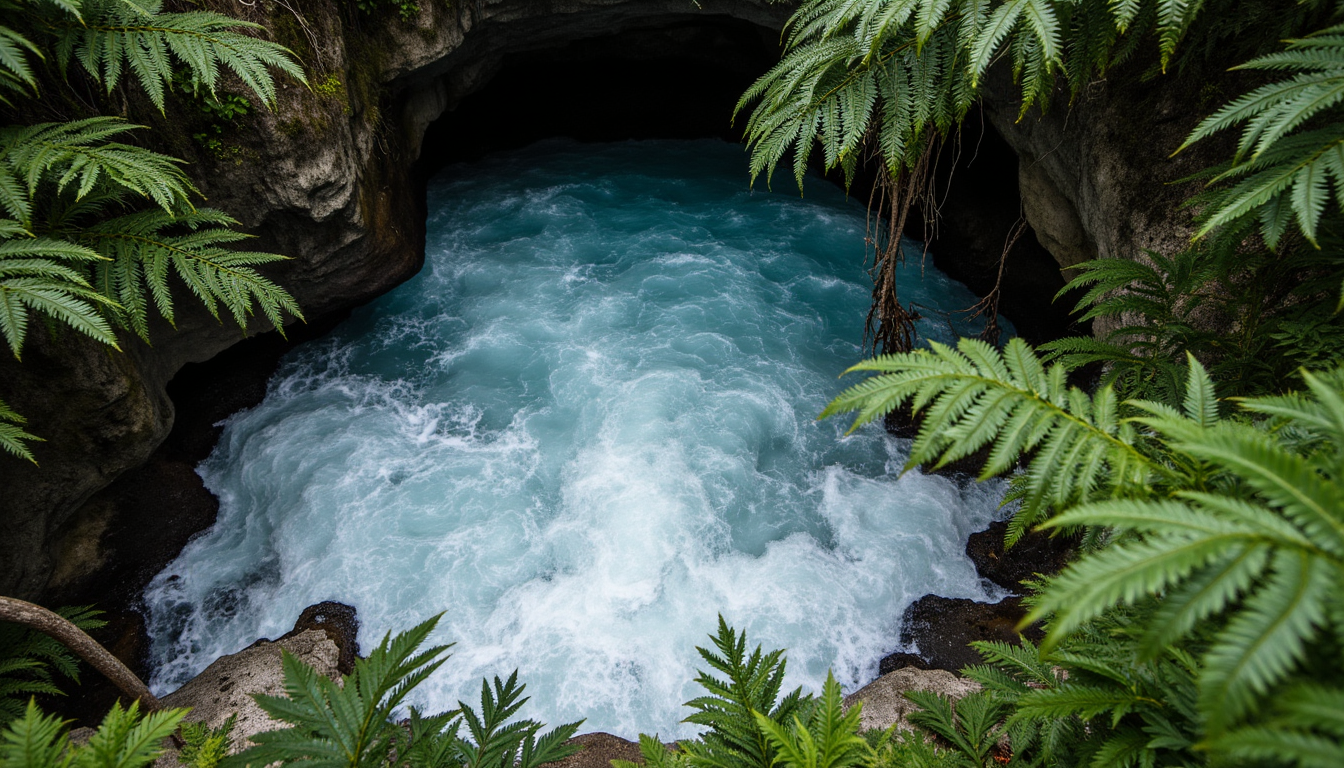
The "Blue Boil
The Florida Unwritten Series | Part 4
We’ve descended into the limestone bone of the earth and peered through the glass of our oldest memories.
Today, our mission brings us to a place where the water doesn't just flow;
It breathes. Welcome to the fourth installment of our journey—a visit to the winter sanctuary where the wild heart of the state comes to keep warm.
There is a specific kind of hush that falls over Blue Spring State Park in the winter.
It’s not the silence of an empty place, but the reverent quiet of a cathedral.
As the air temperature drops and the St. Johns River turns a dark, tea-colored cold,
hundreds of Florida’s most iconic residents—the West Indian Manatee—make a life-saving journey.
They follow a primal internal compass back to the "Blue Boil," where the earth provides a constant, life-sustaining 72 degrees.
Located in Orange City, Blue Spring is more than just a park; it is a designated Manatee Refuge.
While other springs offer tubing and splashing,
Blue Spring in the winter offers something much more profound: a front-row seat to one of the most spectacular natural migrations on the planet.
📜 Old Earl’s Memory Lane: The Gray Ghosts
Back when I was a kid, we didn't call them "gentle giants" or "sea cows" as much as we do now.
To us, they were the gray ghosts. I remember standing on the edge of the bank before the boardwalks were built,
holding my breath as a massive shadow drifted beneath the surface.
You’d see a snout break the water with a soft, wet huff, and then they’d be gone,
sinking back into the blue.
We didn't have the "Manatee Cams" or the visitor centers back then. We just had the woods and the water.
My father used to say that if you watched them long enough, you’d learn how to be still.
"Earl," he’d tell me, "the manatee doesn't hurry for anybody. There’s a lesson in that."
He was right. In a state that was already starting to move too fast for its own good,
those gray ghosts taught me that the most important things in life happen at a slow, steady pace.
The Main Event: The Winter Refuge
From mid-November through March, Blue Spring becomes a sanctuary.
Because manatees cannot survive for long in water colder than 68 degrees,
the spring run becomes a crowded, peaceful haven.
The Boardwalk: The park features an extensive, accessible boardwalk that snakes along the entire length of the spring run.
It offers elevated views that allow you to see the manatees clearly without disturbing them.
On a cold morning, you might see 500 or more of them huddling together like giant, mossy river stones.
The "Blue Boil": At the very end of the boardwalk is the spring head, known as the "boil."
This is where 100 million gallons of water a day surge up from the aquifer.
It is a deep, startling turquoise that creates a sharp contrast against the dark tannin-stained waters of the St. Johns River.
The Sound of the Spring: If you stand still on the boardwalk, you’ll hear it—the synchronized breathing of a hundred mammals.
It’s a rhythmic, wet sound that feels like the pulse of the river itself.
Summer at Blue Spring: Into the Deep
When the manatees leave for the summer and the water temperatures in the river rise, the spring reopens for humans.
Swimming and Snorkeling: The spring run is a lush, underwater forest. Snorkeling here feels like flying through a prehistoric jungle.
The current is strong enough to give you a "lazy river" experience as you drift down toward the St. Johns.
The Spring Head: For strong swimmers, the boil is the main attraction.
You can swim directly over the vent where the water pushes up from the earth.
Scuba divers often frequent the cave system here (though it requires specialized certification and the strict following of safety protocols).
Paddling: Kayaking or canoeing the St. Johns River near the mouth of the spring is a masterclass in Florida.
You’ll see alligators sunning on logs, ospreys diving for fish, and perhaps a rogue manatee that decided to stick around for the summer.
The "Florida Unwritten" Rules: Respecting the Refuge
Because Blue Spring is a critical sanctuary, the rules here are about more than just litter—they are about the survival of a species.
Winter Closures: During manatee season, the spring run is strictly closed to all water activities (swimming, paddling, diving).
We are guests in their living room, and their survival depends on us keeping our distance.
No Touching: Even in the summer, if you happen to see a manatee, you must maintain a "no-touch" policy. Harassing a manatee is a federal offense,
But more importantly, it breaks the trust between the wild and the human.
The Capacity Wall: Like Rainbow Springs, Blue Spring is a victim of its own beauty.
During the winter, the park often hits capacity within an hour of opening.
If you aren't in line by 8:00 AM, you’re likely looking at a long wait on the shoulder of the road.
A Little History: The Thursby House
Standing on a high bluff overlooking the St. Johns River is the Thursby House, built in 1872.
Louis Thursby built this home during the era when the river was the primary "highway" of Florida.
Steamboats would stop here to pick up oranges and passengers.
It’s a reminder that before we were a state of interstates, we were a state of rivers.
The house still stands as a sentinel, watching over the same waters where the manatees have gathered for thousands of years.
It’s a layer of human history resting gently on top of a geological one.
The "Florida Unwritten" Verdict
“We specialize in the Florida you won't find on a postcard.
Keeping these stories 'unwritten'—but not forgotten—takes plenty of caffeine and even more bug spray.
If you loved today's tale, you can buy me a brew to help keep the lights on. I'm glad you're here for the ride.”
Blue Spring is the place where Florida’s vulnerability and its strength meet.
It is a fragile sanctuary that requires our protection, but it offers a reward that can’t be bought with a ticket: a connection to a gentle, ancient rhythm.
Whether you are watching the steam rise off the water in January or diving into the blue boil in July,
You are witnessing the state’s great, steady exhale.
Pack your binoculars, leave the hurry at the gate, and come sit with the ghosts.
Florida Unwritten is a weekly letter about the quieter side of the state.
Springs that stay cold in July, towns the highway forgot, and the kind of places you only find by slowing down.
Every Friday morning, one good Florida story.
EARL Lee
Florida Unwritten
