The Spanish Galleon Shipwreck You’ve Never Heard About
Florida’s Forgotten Treasure Beneath the Waves
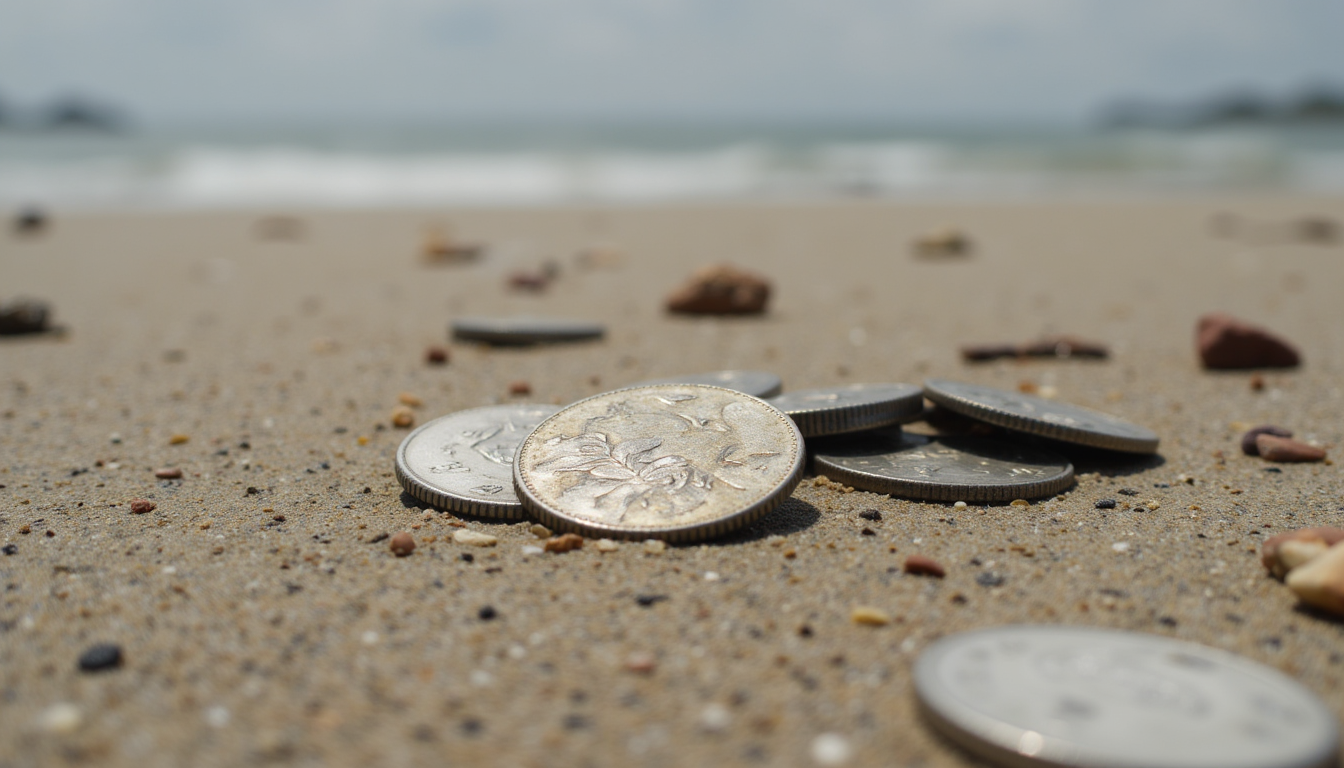
Small artifacts tell large stories beneath the waves.
Florida’s coastline is littered with stories. Some are told loudly, usually by tour guides holding laminated photos. Others sit quietly offshore, buried under sand, coral, and centuries of saltwater patience.
This is one of those quiet ones.
Long before beach umbrellas and jet skis, Spanish galleons threaded their way along Florida’s eastern edge, heavy with silver, gold, porcelain, and paperwork declaring everything was very much under control. It rarely was.
One shipwreck in particular slipped out of popular memory. No blockbuster movie. No pirate mascot. Just a real ship, a real storm, and a very Florida ending.
Let’s dive in.
Florida’s Coast Was Once a Shipping Lane, Not a Vacation Spot
In the 1600s and early 1700s, Florida wasn’t a destination. It was an obstacle.
Spain’s treasure fleets sailed from the Caribbean to Havana, then turned north, riding the Gulf Stream past Florida’s razor-edged reefs. The goal was speed. The reality was danger.
Storms appeared fast. Maps were optimistic. Reefs did not care.
Hundreds of ships wrecked along what became known as the Treasure Coast, stretching from modern-day Sebastian to Fort Pierce. Most people have heard of the famous 1715 Fleet disaster. Fewer know about the ships that vanished quietly, without headlines or legends attached.
One such galleon rests offshore today, largely ignored, occasionally uncovered, and constantly reshaped by the sea.
The Ship That Didn’t Make the History Books
This Spanish galleon likely sailed in the late 1600s or early 1700s, part of a smaller convoy rather than a grand fleet. It carried cargo typical of the era:
Silver coins known as pieces of eight
Religious artifacts
Trade goods meant for Europe
Supplies for colonial outposts
No dramatic final battle. No pirate ambush. Just weather, navigation errors, and Florida doing what Florida does best.
A sudden storm pushed the ship off course. Waves drove it toward the reef. The hull broke apart. Survivors, if there were any, would have reached shore exhausted, injured, and very much aware they were now stranded in mosquito country.
The ship sank. The sea moved on.
So did history.
How the Wreck Was Found (By Accident, Naturally)
Like many Florida discoveries, this one wasn’t planned.
Shifting sands after a storm exposed wooden beams and ballast stones offshore. Local divers noticed something wasn’t right. Archaeologists followed.
What they found wasn’t a neat wreck. It was a debris field, scattered like breadcrumbs across the seabed. That alone tells a story. The ship didn’t sink gently. It was torn apart.
Artifacts emerged slowly:
Worn silver coins
Ceramic fragments
Iron fastenings
Pieces of rigging
Nothing flashy. Nothing museum-headlining. But undeniably real.
Florida history often hides in pieces.
Why You’ve Never Heard About It
This shipwreck suffers from a classic Florida problem: competition.
Nearby are wrecks with better branding. The 1715 Fleet has treasure hunters, lawsuits, documentaries, and gift shops. This galleon has… academic papers and GPS coordinates.
It also sits in shallow water where storms constantly rebury it. Some years it’s visible. Other years, it disappears completely, reclaimed by sand like it never existed.
That makes preservation difficult and storytelling harder.
Quiet history doesn’t shout.
Treasure, But Not the Movie Kind
Yes, silver was found. No, no one retired early.
Most recovered artifacts ended up in state collections or private holdings long before modern protections existed. What remains is valuable more for what it teaches than what it’s worth.
The real treasure here is context.
This wreck confirms shipping routes. It validates historical records. It shows how fragile transatlantic trade actually was. And it reminds us that Florida’s role in global history started long before highways and high-rises.
The same storms that wrecked ships still shape Florida’s shores.
The Sea Still Decides What We See
Even today, storms can reveal parts of the wreck again. A strong nor’easter might uncover timber. A hurricane might erase it entirely.
That’s Florida’s coastal archaeology in a nutshell. Temporary. Unpredictable. Slightly dramatic.
Divers sometimes report glimpses. Fishermen snag nets. Then the sand returns.
History here breathes in and out.
Why This Story Still Matters
Florida wasn’t shaped by theme parks. It was shaped by tides, trade, and terrible weather decisions.
This forgotten galleon represents the countless lives, risks, and failures that built global empires and local coastlines alike. Not every story gets a monument. Some stay underwater, doing their job quietly.
And that feels very Florida.
Planning a Visit (Without Digging)
You can’t visit the wreck directly, and that’s a good thing. It’s protected, fragile, and better left undisturbed.
What you can do:
Visit local museums along the Treasure Coast
Walk beaches after storms and look for history, not souvenirs
Learn the stories beneath the postcards
Florida rewards the curious.
Final Thoughts: Florida’s Past Is Bigger Than Its Myths
This Spanish galleon didn’t make headlines. It didn’t inspire legends. It simply existed, failed, and became part of the seabed.
That doesn’t make it less important.
It makes it more honest.
Florida’s history isn’t always loud. Sometimes it waits offshore, patient, buried, and perfectly fine without applause.
Stay unwritten.
—
Earl Lee
Florida Unwritten
