The Wild Maritime History of Florida’s Coastline
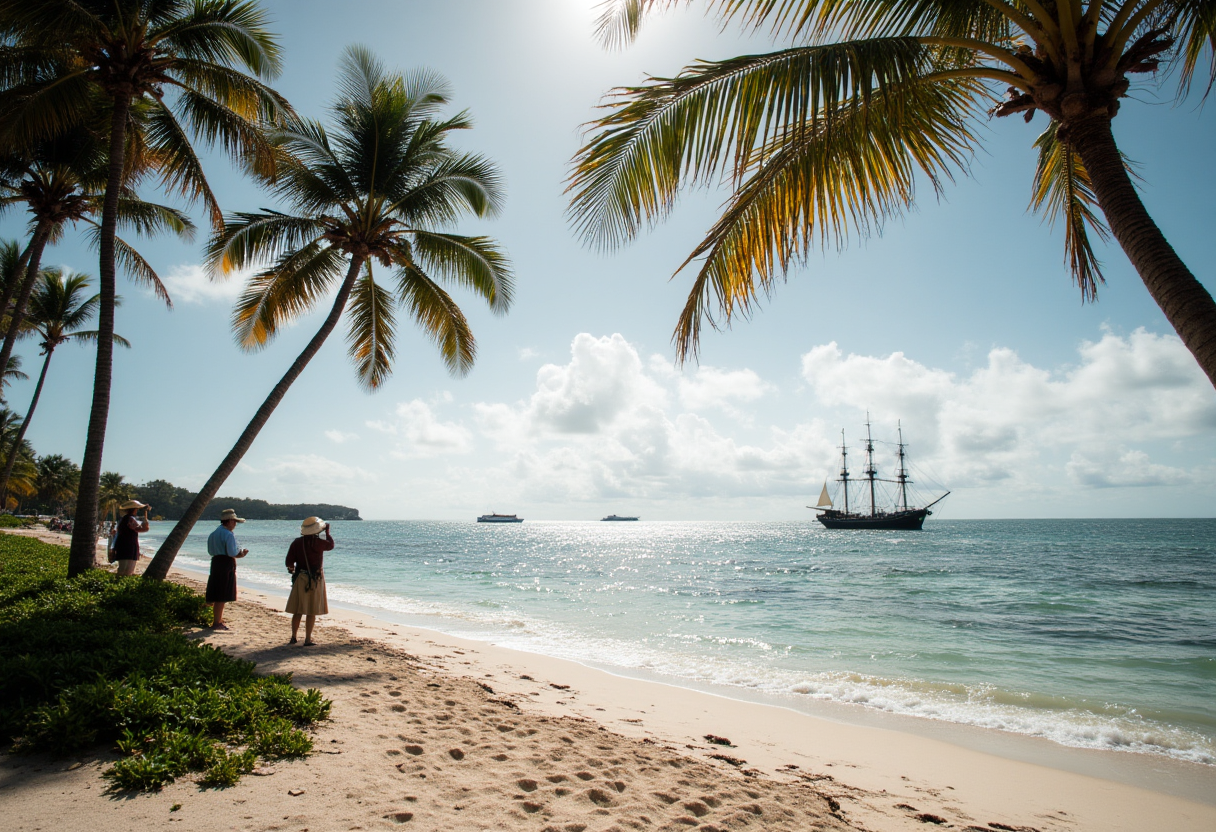
“16th-century Spanish galleons anchored off Florida’s coastline
Florida’s coastline stretches like a long, sun-soaked bookmark along the southeastern edge of the United States, a ribbon of sand and saltwater where history refuses to stay polite.
Here, the waves are not just waves—they’re ancient storytellers, whispering tales of daring sailors, greedy pirates, and ships that met watery fates more tragic than a reality TV breakup.
Florida’s maritime history is a cocktail of adventure, misfortune, and occasionally, really bad navigation. Buckle up—this is a voyage you won’t want to miss, and sunscreen is optional, but laughter is mandatory.
When the Ocean Played Host to History
Florida’s coast has been a busy place for centuries.
Long before modern tourist umbrellas invaded the beaches, the Spanish were sending ships to claim new lands and haul back treasures that would make any pirate blush.
The 16th century saw explorers like Ponce de León landing on shores that were more “dangerously exotic” than “vacation-ready.”
Legend has it he was searching for the Fountain of Youth, but he might have just stumbled on Florida’s unique combination of alligators, mosquitoes, and confusing tides.
The Atlantic, Gulf, and the numerous inlets connecting them made Florida a nautical thoroughfare. Ships laden with gold, silver, and sometimes really questionable choices in cargo—like a shipment of live monkeys, yes, really—sought safe passage through these waters.
The coast was as treacherous as a toddler on roller skates, with hidden reefs, shifting sandbars, and sudden storms that could flip a ship faster than a pancake on Sunday morning.
Pirates: Florida’s Original Freelance Contractors
No discussion of Florida maritime history is complete without pirates.
These weren’t the charming, eye-patch-wearing heroes Hollywood would have you believe. They were more “tax evaders with cutlasses,” and Florida’s coast was the perfect playground for them.
St. Augustine, Pensacola, and the Florida Keys became notorious pirate haunts, offering hiding spots, supplies, and, in some cases, local alliances with residents who figured, “Hey, free rum is free rum.”
The infamous José Gaspar, also known as Gasparilla, is said to have terrorized Tampa Bay for decades.
Historical records about him are… questionable, but that doesn’t stop Floridians from celebrating Gasparilla Day with parades, pirate costumes, and the kind of revelry that would make a 17th-century buccaneer proud.
Modern Florida pirates may not plunder Spanish galleons, but they do commandeer attention with enthusiasm and glitter.
Shipwrecks: Florida’s Underwater Museum
If Florida’s coast could talk, it would probably sigh and say, “Not another shipwreck…” The waters off Florida have claimed thousands of ships over the centuries.
From storms to navigational errors, the Florida coastline is basically Mother Nature’s version of a “you shall not pass” gate.
The most famous cluster of wrecks?
The Treasure Coast is named for the Spanish galleons that sank with chests full of gold and silver.
Diving into these shipwrecks is like stepping into a time machine soaked in saltwater. Coral and marine life have turned these wrecks into underwater cathedrals, where schools of fish perform synchronized dances above sunken cannons.
Treasure hunters still search these waters, though modern “pirates” often come armed with metal detectors and wetsuits instead of cutlasses and peg legs.
The irony is delicious: centuries of “real” pirates vs. hobbyist treasure divers trying to find the same loot.

Join Newsletter
Naval Battles and Florida’s Strategic Role
Florida wasn’t just a playground for treasure-seekers. It’s been a strategic military hub, too. During the Seminole Wars, the Civil War, and even World War II, Florida’s waters played a pivotal role in defense, trade, and sometimes confusion.
The deep-water ports of Jacksonville, Tampa, and Key West were essential staging grounds.
Submarines, battleships, and occasionally a confused fishing boat all made cameo appearances in this watery theater of operations.
Fun fact: Florida’s proximity to the Caribbean made it a hot spot for naval skirmishes.
At times, the coast must have seemed like a giant game of Battleship, only with real consequences and far fewer cardboard grids.
If ships could talk, the tales of dodged cannonballs, narrowly escaped hurricanes, and occasional navigational mishaps would make a better Netflix series than most currently airing.
Nautical Legends and Tall Tales
Florida’s maritime history is rich with legends, and some of them are stranger than fiction.
Stories of ghost ships sailing off the coast of the Keys, sea serpents spotted by fishermen, and lost pirate gold still pop up in local lore.
Some are exaggerated, some are possibly true, and all are fun to tell over a plate of conch fritters or a cold drink at a tiki bar.
One such tale is the story of the Ship of Gold, a vessel allegedly lost off the coast of Palm Beach with a cargo of gold bullion.
Treasure hunters still scour the seabed, proving one thing: humans have a long history of thinking, “I’m sure this time I’ll find it.” Whether the ship ever existed or was an elaborate rumor, it’s a testament to the enduring allure of Florida’s maritime mysteries.
Lighthouses: Guardians of the Coast
Florida’s maritime history isn’t all chaos and plunder. Lighthouses, some of which are still standing today, guided ships safely past treacherous waters.
The St. Augustine Lighthouse, Cape Florida Lighthouse, and Key West Lighthouse are just a few examples.
These towering beacons were not only functional but also aesthetically pleasing—proof that even in the 1800s, someone believed shipwrecks deserved at least a dramatic backdrop.
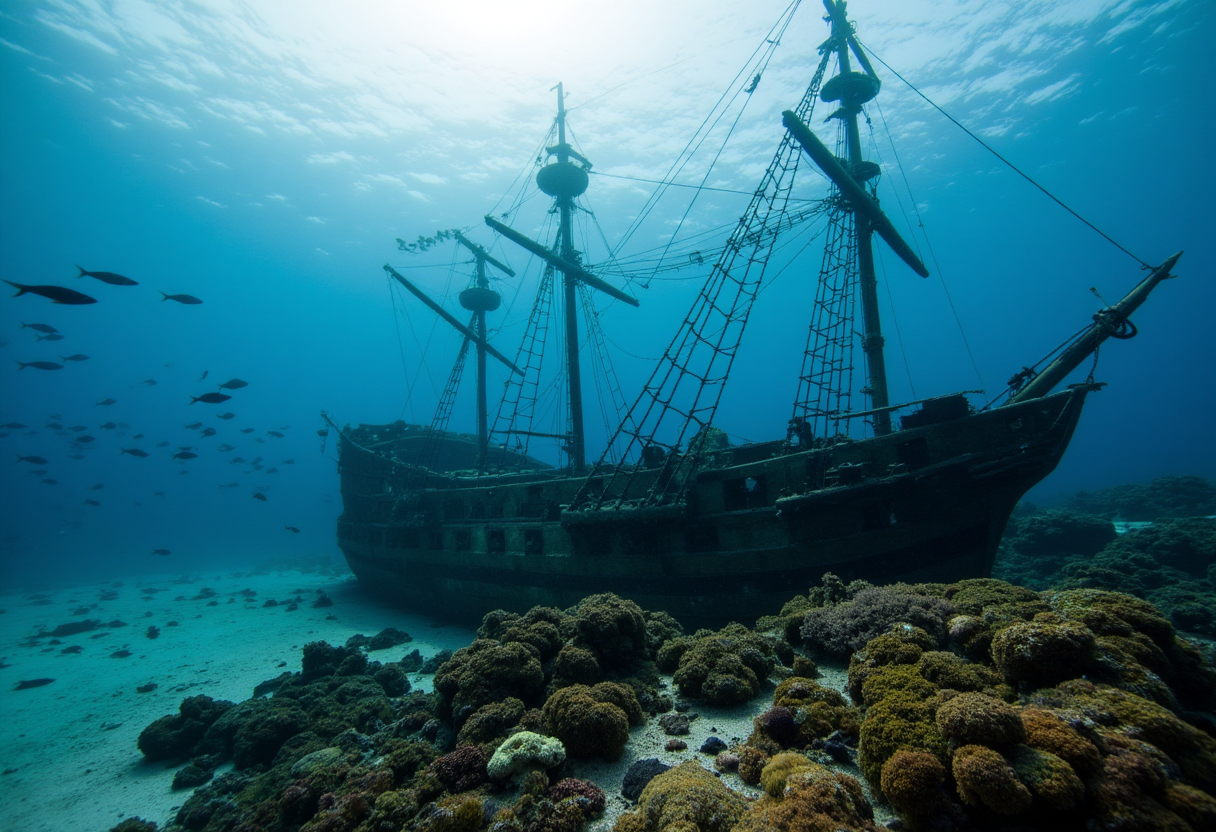
“Florida’s coast hides thousands of shipwrecks
Lighthouse keepers lived lives of quiet heroism, often isolated for months at a time, making sure sailors didn’t accidentally add themselves to Florida’s tally of wrecked ships.
Their dedication reminds us that history is not just about treasure—it’s about the quiet, steadfast efforts that keep chaos at bay.
Florida Maritime History Today
Modern Florida continues to celebrate its maritime past, blending education, adventure, and a little bit of silliness.
Museums like the Maritime Museum of Florida and the Mel Fisher Maritime Museum showcase artifacts, ship models, and treasures recovered from centuries-old wrecks.
Tourists and locals alike can take part in reenactments, diving excursions, and ghost tours, ensuring that the stories of Florida’s coasts are kept alive in both fact and playful fiction.
Florida’s waters may have claimed thousands of ships, but they’ve also given the state a unique identity.
The combination of pirates, explorers, naval battles, and natural disasters has shaped not just the coastline, but the character of Floridians themselves: resilient, a little eccentric, and never short on a story or two.
Why Florida’s Maritime History Matters
So why should anyone care about shipwrecks, lighthouses, and long-dead pirates?
Beyond the humor and adventure, Florida’s maritime history offers lessons in risk, adaptation, and the sheer unpredictability of life.
The waters teach us that even the most carefully planned voyage can go awry, that legends grow from kernels of truth, and that sometimes, treasure is more about the story than the gold.
Visiting the coast, exploring a museum, or diving into a historical novel about Florida is more than just a pastime—it’s a way to connect with centuries of human courage, folly, and curiosity. Plus, it’s a perfect excuse to wear a pirate hat without judgment.
Setting Sail into the Past
Florida’s maritime history is a sprawling epic, full of adventure, misadventure, and occasional absurdity.
From the treasure-laden galleons of the Spanish explorers to the glittering revelry of modern Gasparilla parades, the story of Florida’s waters is anything but boring.
Ships sink, storms blow, pirates scheme, and the waves keep talking—sometimes with whispers, sometimes with a thunderous slap against the hull of a small boat.
The next time you dip your toes into the Atlantic or the Gulf, remember: those waters are more than just pretty scenery.
They are the stage of centuries-old drama, comedy, and intrigue. Whether you’re searching for sunken treasure, reading about naval battles, or just laughing at a local ghost ship tale,
Florida’s maritime history invites everyone aboard. Anchors aweigh! ⚓
Cta sshare page
