The Land Called Florida: Juan Ponce de León’s Rise
The life of Juan Ponce de León
A renowned Spanish Explorer is a fascinating tale of adventure and discovery. During the Age of Exploration, he played a pivotal role in shaping the course of history
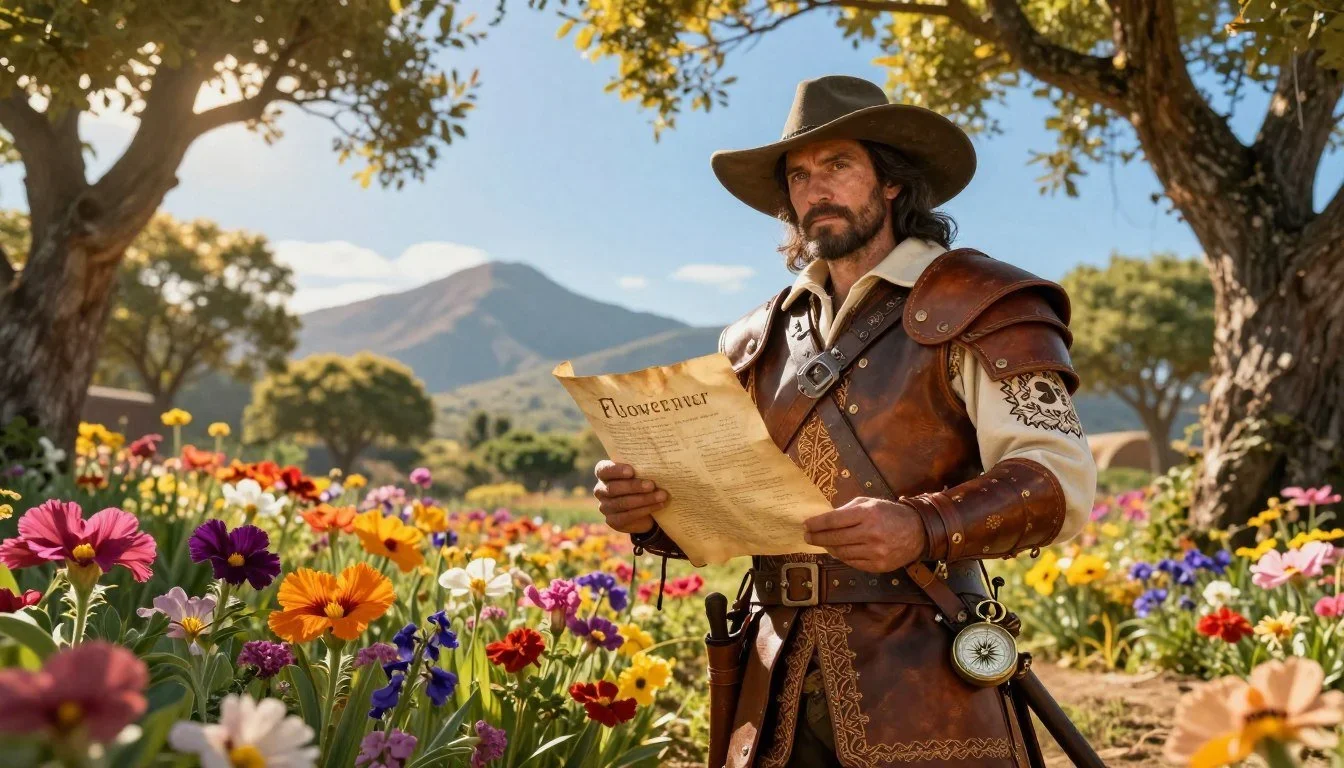
Juan Ponce de León
As a prominent figure of his time, Ponce de León's career can be divided into distinct phases, with the "Flower" phase being a significant period. This era marked the beginning of his illustrious journey, characterized by his unwavering spirit of exploration and discovery.
Key Takeaways
Ponce de León was a key figure in the Age of Exploration.
His career was marked by significant discoveries and adventures.
The "Flower" phase was a crucial period in his life.
He was driven by a strong desire for exploration.
His legacy continues to inspire people today.
The Life Before the Bloom
The story of Juan Ponce de León begins in the nobility of 15th century Spain, where his lineage and service to the crown defined his early years.
Noble Beginnings in 15th Century Spain
Juan Ponce de León was born into a noble family in the Santervás de Campos, a region in what is now the province of Valladolid, Spain. His family's noble status provided him with a certain level of education and exposure to the chivalric ideals of the time. This background would later influence his actions as an explorer and his interactions with the indigenous peoples he encountered.
Service to the Spanish Crown
Ponce de León's service to the Spanish Crown began when he participated in the campaigns against Granada, the last Muslim stronghold on the Iberian Peninsula. This experience not only honed his military skills but also deepened his loyalty to the crown. His subsequent involvement in the New World was, in part, an extension of this service, as he sought to expand Spanish influence and secure new resources for the crown.
Understanding the "Flower" Phase
Understanding the "Flower" phase is crucial to grasping Ponce de León's historical significance. This period is characterized by a significant shift in his career, marking a transition from his early roles to more exploratory endeavors.
Definition and Historical Context
The "Flower" phase refers to a specific era in Ponce de León's life when his explorations and discoveries were particularly notable. Historically, this phase is contextualized within the early 16th century, a time when European explorers were venturing into the Americas, driven by the quest for new lands and resources. The term "Flower" symbolizes the blossoming of Ponce de León's career during this period, as he transitioned from being a conquistador involved in the conquest of existing territories to an explorer charting new frontiers.
Transition from Conquistador to Explorer
Ponce de León's transition from a conquistador to an explorer was influenced by various factors, including the changing political landscape and the lure of new discoveries. As a conquistador, he was involved in the conquest of Hispaniola and Puerto Rico, serving the Spanish Crown. However, his later expeditions, particularly to Florida, marked a shift towards exploration, driven by the quest for new lands and the mythical Fountain of Youth. This transition highlights Ponce de León's adaptability and his significant role in the history of exploration.
The "Flower" phase, therefore, represents a critical period in Ponce de León's career, encapsulating his evolution as an explorer and his contributions to the historical narrative of the early 16th century.
Juan Ponce de León's Rise to Prominence
Juan Ponce de León's name became synonymous with exploration and leadership after his successful endeavors in Hispaniola and Puerto Rico. His rise to prominence was a result of his strategic involvement in the conquest of new lands and his ability to navigate the complex political landscape of the Spanish colonies.
Conquest of Hispaniola
Ponce de León's journey to fame began with his participation in the conquest of Hispaniola, an island in the Caribbean that is now divided between Haiti and the Dominican Republic. He played a crucial role in the Spanish colonization efforts, demonstrating his military prowess and leadership skills. His success in Hispaniola laid the foundation for his future endeavors.
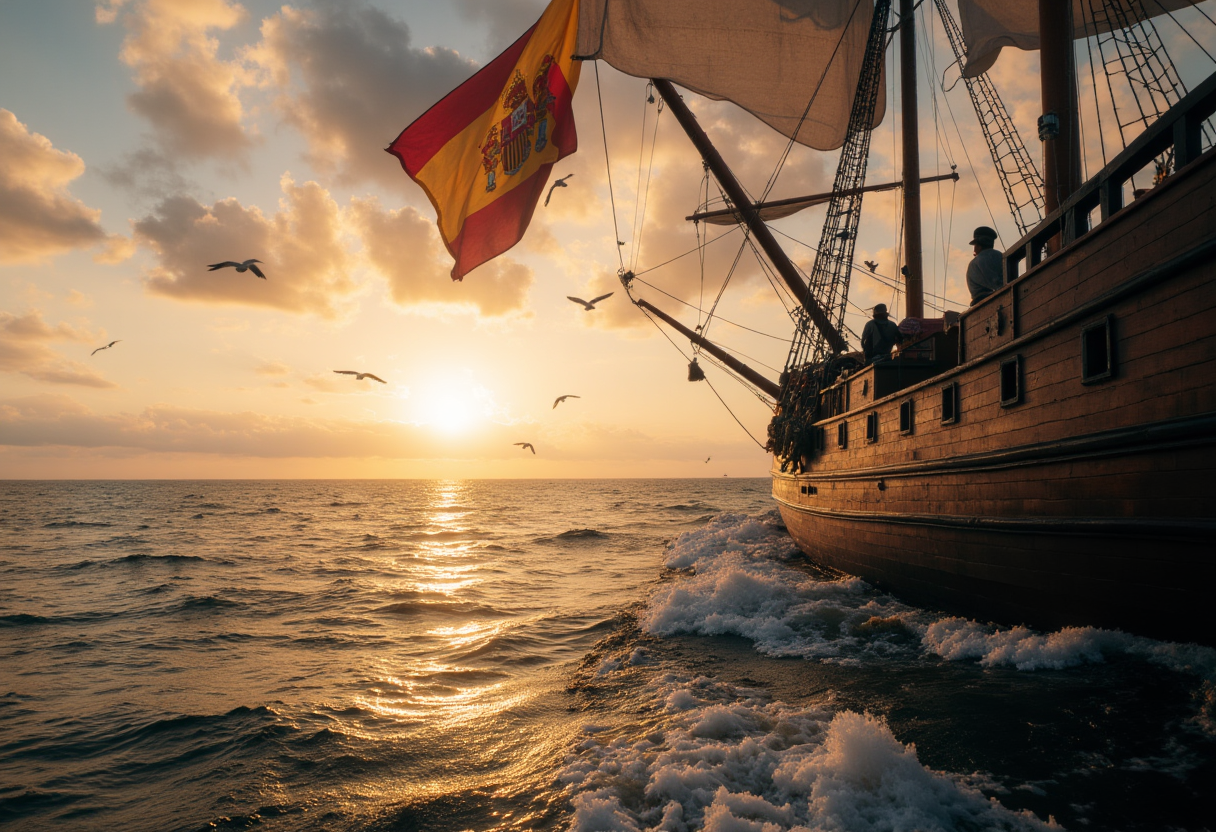
ship on water
Governorship of Puerto Rico
In 1508, Ponce de León was appointed as the governor of Puerto Rico, a position that further solidified his reputation as a capable leader. During his governorship, he worked to establish settlements and improve the island's infrastructure. His efforts contributed significantly to the Spanish colonization of Puerto Rico.
Political Challenges and Motivations
Despite his successes, Ponce de León faced numerous political challenges, including rivalries with other Spanish explorers and the complexities of managing colonial administrations. His motivations were driven by a desire for wealth, glory, and the expansion of Spanish influence in the New World. These challenges and motivations played a significant role in shaping his later explorations, including his famous voyage to Florida.
The Fountain of Youth Legend
The allure of the Fountain of Youth has captivated imaginations for centuries, intertwining with the legacy of Juan Ponce de León. This mythical concept has not only become a significant part of Ponce de León's historical narrative but has also evolved over time, influenced by various cultural and historical factors.
Origins of the Mythical Waters
The idea of a rejuvenating spring or fountain dates back to ancient times, with roots in various cultures. The concept gained significant traction in the medieval European context, where tales of magical waters promising eternal youth or healing properties were prevalent.
Key influences on the Fountain of Youth legend include:
Ancient Greek and Roman myths
Medieval European folklore
Native American tales encountered by early European explorers
Tales and European Interpretations
Upon arriving in the Americas, European explorers, including Ponce de León, encountered indigenous peoples who shared stories of healing waters. These tales were often interpreted through the lens of European folklore, contributing to the evolution of the Fountain of Youth legend.
The blending of cultures resulted in a rich narrative that has been passed down through generations, with the Fountain of Youth becoming a symbol of the quest for eternal youth and vitality.
Modern Historical Perspectives
Today, historians view the Fountain of Youth legend as a complex interplay of cultural influences and historical events. While Ponce de León's quest is often associated with this myth, modern scholarship suggests that his motivations were likely multifaceted, including the pursuit of wealth, territory, and the spread of Christianity.
The legacy of the Fountain of Youth continues to captivate audiences, serving as a reminder of the rich cultural heritage and historical complexities surrounding early European exploration in the Americas.
The Historic 1513 Expedition
Ponce de León's 1513 expedition was a pivotal moment in the Age of Exploration, driven by royal patronage and personal ambition. This voyage was not merely a product of curiosity but was backed by a formal royal charter, indicating the Spanish crown's interest in the potential riches and strategic locations of the New World.
Royal Charter and Preparations
The royal charter granted to Ponce de León was a significant endorsement of his previous explorations and conquests. It authorized him to explore and settle the island of Bimini, which was believed to be rich in gold and other resources. Preparations for the expedition involved securing financial backing, assembling a competent crew, and procuring suitable vessels for the journey.
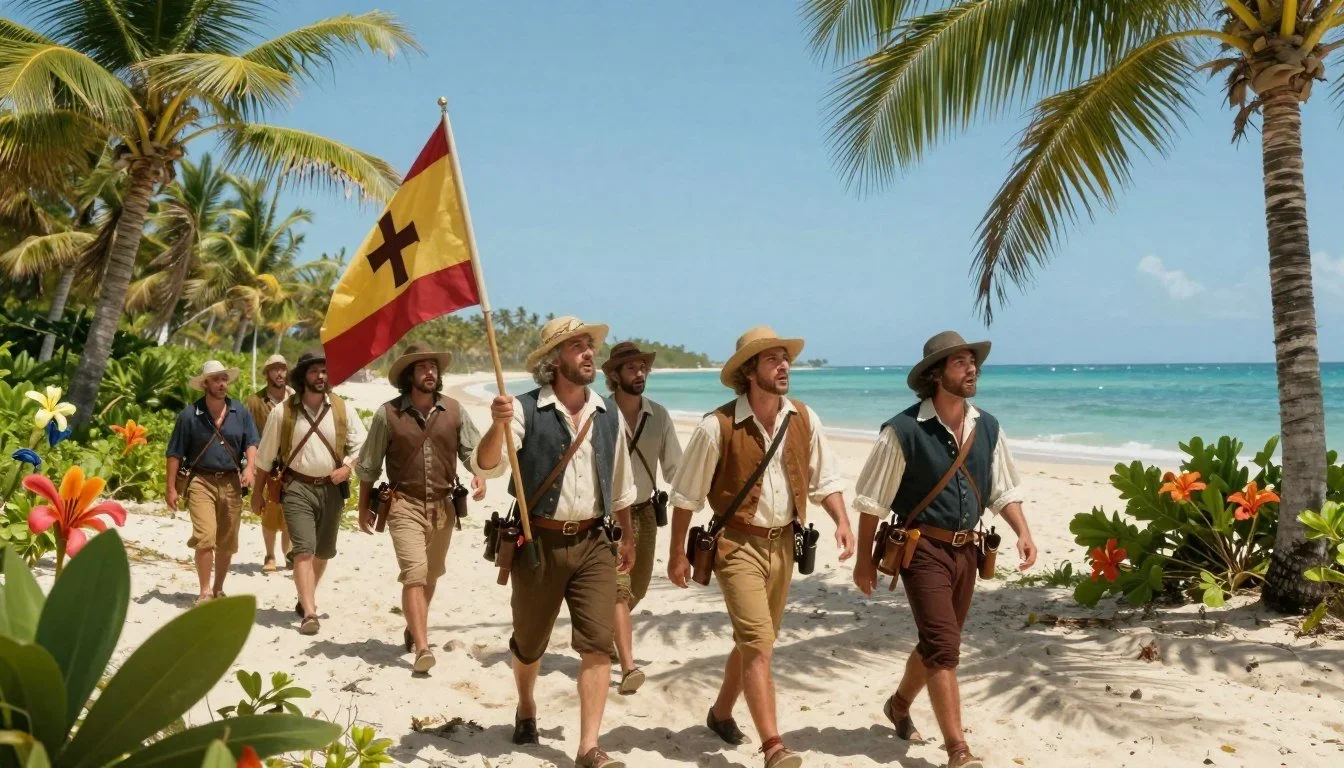
discover party
Discover the Stories Florida Never Put on the Map.
Hidden places. Strange history. Stories the brochures forgot. Explore Florida Unwritten and see the Sunshine State differently.
The Fleet and Crew
Ponce de León's fleet consisted of three ships, including a brigantine and two larger vessels, manned by a crew of experienced sailors, soldiers, and a few indigenous interpreters. The crew was tasked with navigating the treacherous waters of the Atlantic, defending against potential threats, and interacting with the native populations they would encounter.
Vessel Type Number Primary Use Brigantine 1 Exploration and coastal navigation. Larger Vessels 2: Transportation of crew and supplies
Navigation Techniques of the Era
During the 1513 expedition, Ponce de León and his crew relied on various navigation techniques that were standard for the era. These included celestial navigation using the astrolabe, dead reckoning to track their progress, and piloting by observing landmarks and natural features. The crew also used charts and maps, some of which were based on previous explorers' findings.
The success of the 1513 expedition was largely due to the combination of these navigation techniques, the experience of the crew, and the strategic planning that went into the voyage. As Ponce de León navigated through the uncharted waters, he not only expanded Spanish influence in the New World but also contributed significantly to the geographical knowledge of the time.
Discovery and Naming of Florida
It was during the Easter season of 1513 that Ponce de León made the historic discovery that would lead to the naming of Florida. This period, known as "Pascua Florida" or the "Flowery Easter," was a time of celebration and renewal, and it was this connection that inspired Ponce de León to name the land he discovered "La Florida."
Discovery of FloridaFirst European Contact with the Peninsula
Ponce de León's arrival in Florida marked the first time a European had set foot on the peninsula. This historic moment was the culmination of his extensive experience as an explorer and his previous roles in the colonization of Hispaniola and Puerto Rico. As he stepped onto the sandy beaches, he encountered a land teeming with life and natural beauty, a stark contrast to the rugged experiences of his earlier voyages.
"The land was a veritable paradise," as some historians have noted, quoting from the accounts of the time. The lush vegetation and diverse wildlife made a lasting impression on Ponce de León and his men.
The Easter Connection: "Pascua Florida"
The name "Florida" is directly linked to the Easter season, during which the discovery was made. "Pascua Florida" translates to "Flowery Easter" or "Festival of Flowers," reflecting the vibrant and colorful nature of the region. This naming was not merely coincidental; it was a deliberate choice made by Ponce de León to commemorate the timing and the beauty of his discovery.
The significance of this naming has endured, with Florida being known as the "Sunshine State," a nod to its bright and welcoming environment. As one historian noted,
"The name Florida was a reflection of the region's beauty and the festive spirit of the season."
Initial Explorations of the Coastline
Following his initial landing, Ponce de León began to explore the coastline of Florida. This early exploration was crucial in mapping out the geography of the region and understanding its potential for future colonization. The coastline offered a mix of challenges and opportunities, with its intricate waterways and diverse ecosystems.
The initial explorations were marked by interactions with the native populations, which would later become a significant aspect of the challenges faced during the "Flower" phase. Ponce de León's men were among the first Europeans to encounter the indigenous peoples of Florida, setting the stage for a complex history of interaction and conflict.
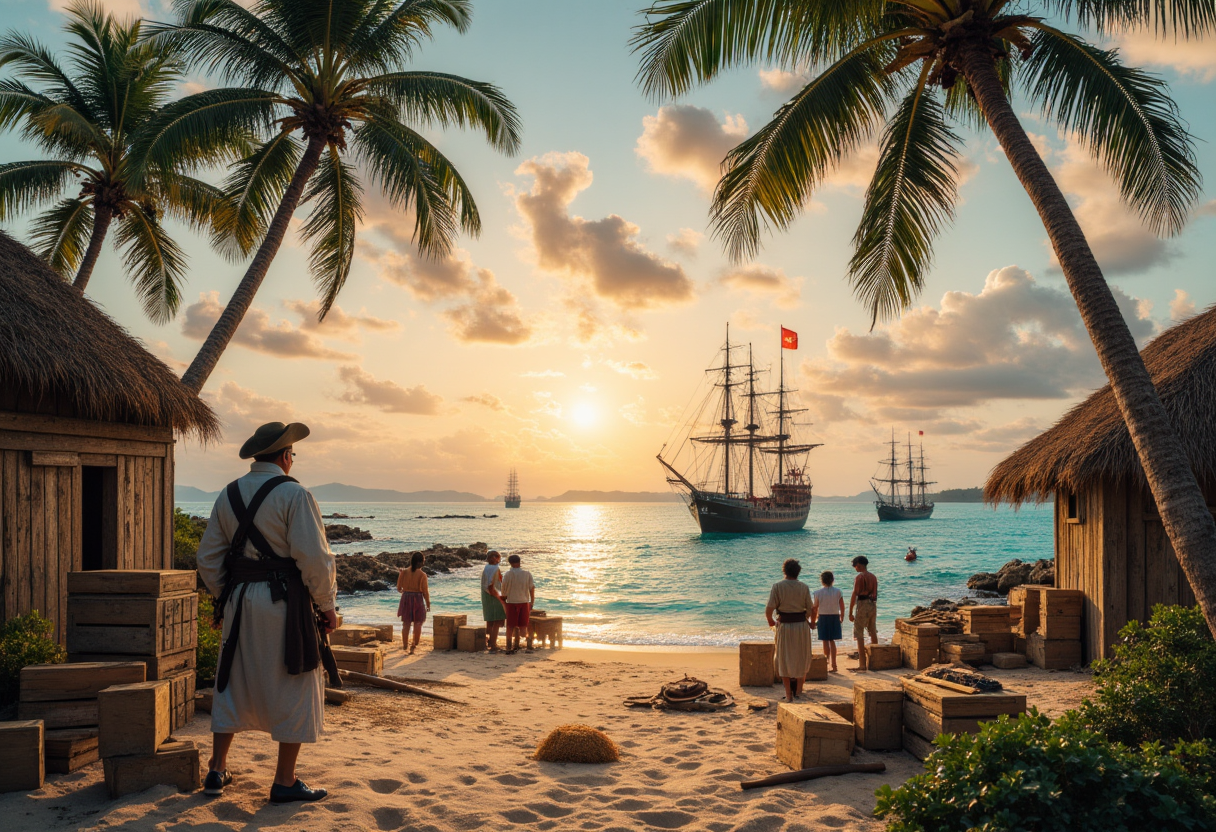
Gulf Stream,
Challenges During the "Flower" Phase
During the 'Flower' phase, Ponce de León encountered numerous challenges that tested his resolve and navigational skills. The expedition was not just a matter of exploring new lands but also involved overcoming various obstacles that came in the way.
Obstacles and the Gulf Stream
Navigating through uncharted waters presented significant challenges. The Gulf Stream, a powerful ocean current, played a crucial role in Ponce de León's journey. The Gulf Stream's strong currents and unpredictable nature made navigation difficult, requiring skilled pilots and robust vessels to withstand the forces of nature.
Encounters with Native Populations
Ponce de León's encounters with native populations were another significant challenge. These interactions were often tense and required careful diplomacy. The native populations were not always welcoming, and the Spanish had to be prepared for hostilities. Understanding and navigating these cultural interactions were crucial for the success of the expedition.
Resource Limitations and Health Concerns
The expedition also faced resource limitations, including shortages of food and water, which were exacerbated by the long duration of the voyage. Health concerns were also a major issue, with diseases and injuries posing significant risks to the crew. Managing these resources and maintaining the health of the crew were essential tasks for Ponce de León.
The combination of navigational obstacles, encounters with native populations, and resource limitations made the "Flower" phase a particularly challenging period for Ponce de León and his crew.
The Final Return to Florida
In 1521, Ponce de León embarked on his last journey to Florida, driven by a desire to colonize the land. This expedition was a significant undertaking, marking his second major voyage to the region.
Preparations for Colonization
Ponce de León's preparations for colonization were extensive. He assembled a fleet of ships and gathered supplies and men necessary for establishing a settlement. The goal was to create a Spanish presence in the region, solidifying Spanish claims to the territory.
Conflict with the Calusa People
Upon arrival, Ponce de León and his men encountered the Calusa people, a native tribe that had previously shown hostility towards Spanish explorers. The Calusa resisted the Spanish attempt to colonize their land, leading to conflict.
The encounter turned violent, with both sides suffering losses. Ponce de León's men were outnumbered, and despite their superior weaponry, they faced significant challenges.
The Fatal Wound and Return to Cuba
During the conflict, Ponce de León was fatally wounded. The injury forced his men to abandon their colonization efforts and return to Cuba. The wound ultimately proved mortal, and Ponce de León died in Cuba, marking the end of his exploratory endeavors.
Ponce de León's final return to Florida, though unsuccessful in establishing a colony, remains a significant chapter in the history of Spanish exploration in North America.
Conclusion: The Enduring Legacy of Ponce de León
Juan Ponce de León's expeditions and discoveries left an indelible mark on the Age of Exploration.
His pioneering spirit and navigational skills paved the way for future explorers, shaping our understanding of the Americas.
Ponce de León's legacy extends beyond his voyages. He played a crucial role in the early history of Spanish colonization, serving as governor of Puerto Rico and attempting to establish a settlement in Florida. These endeavors demonstrate his commitment to expanding Spanish influence in the New World.
The impact of Ponce de León's discoveries continues to resonate today. His exploration of Florida and encounters with indigenous populations provide valuable insights into the complex history of European exploration and its effects on native cultures.
As we reflect on Juan Ponce de León's Enduring Legacy, we are reminded of the significant contributions he made to our understanding of the Age of Exploration. His bravery, perseverance, and leadership continue to inspire historians and enthusiasts alike, leaving a lasting impression on our collective understanding of this pivotal period in history.
FAQ
Who was Juan Ponce de León?
Juan Ponce de León was a Spanish explorer and conquistador who is best known for being the first European to reach Florida.
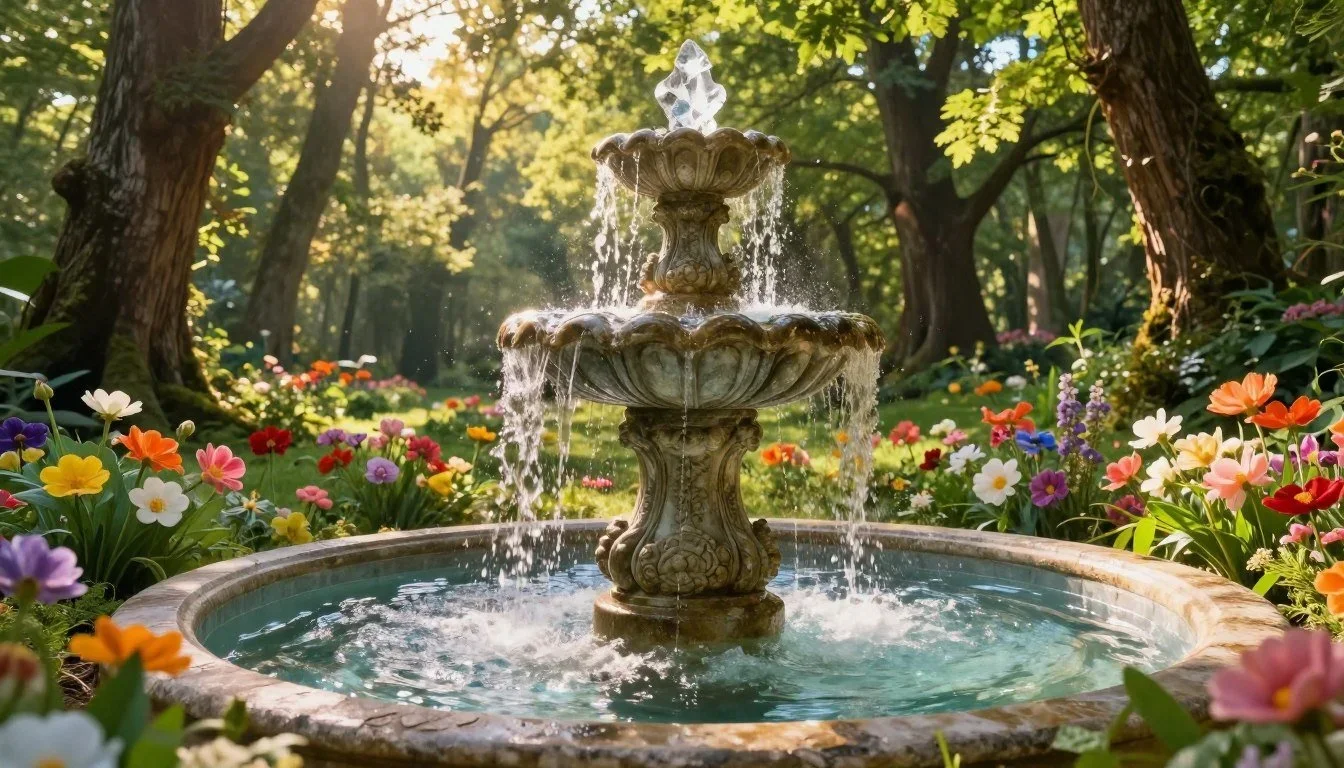
Fountain of Youth
What is the "Flower" phase in Juan Ponce de León's life?
The "Flower" phase refers to the period in Ponce de León's life when he was actively involved in exploration and discovery, particularly his voyage to Florida.
What was the significance of Ponce de León's 1513 expedition?
Ponce de León's 1513 expedition was significant because it marked the first European exploration of Florida, and it had a lasting impact on the history of the region.
What is the Fountain of Youth legend associated with Ponce de León?
The Fountain of Youth legend is a myth that suggests Ponce de León was searching for a magical spring that could restore youth. While the legend is often associated with Ponce de León, its origins are complex and multifaceted.
What challenges did Ponce de León face during his expeditions?
Ponce de León faced numerous challenges during his expeditions, including navigational obstacles, encounters with native populations, and resource limitations.
What was the outcome of Ponce de León's final return to Florida in 1521?
Ponce de León's final return to Florida in 1521 was marked by conflict with the Calusa people, and he was fatally wounded during the encounter.
What is the legacy of Juan Ponce de León?
Juan Ponce de León's legacy is complex and multifaceted, reflecting his contributions to the Age of Exploration and the impact of his discoveries on our understanding of history.
How did Ponce de León's early life and experiences shape his later explorations?
Ponce de León's early life and experiences, including his noble beginnings in Spain and his service to the Spanish Crown, played a significant role in shaping his later explorations and discoveries.
What was the role of the Spanish Crown in Ponce de León's expeditions?
The Spanish Crown played a significant role in Ponce de León's expeditions, providing royal charters and support for his voyages.
“Stay Curious. Stay Unwritten.”
Subscribe to Florida Unwritten for stories you won’t find anywhere else.
Earl Lee
