Hurricanes Helene and Milton: How St. Pete Beach Changed Forever
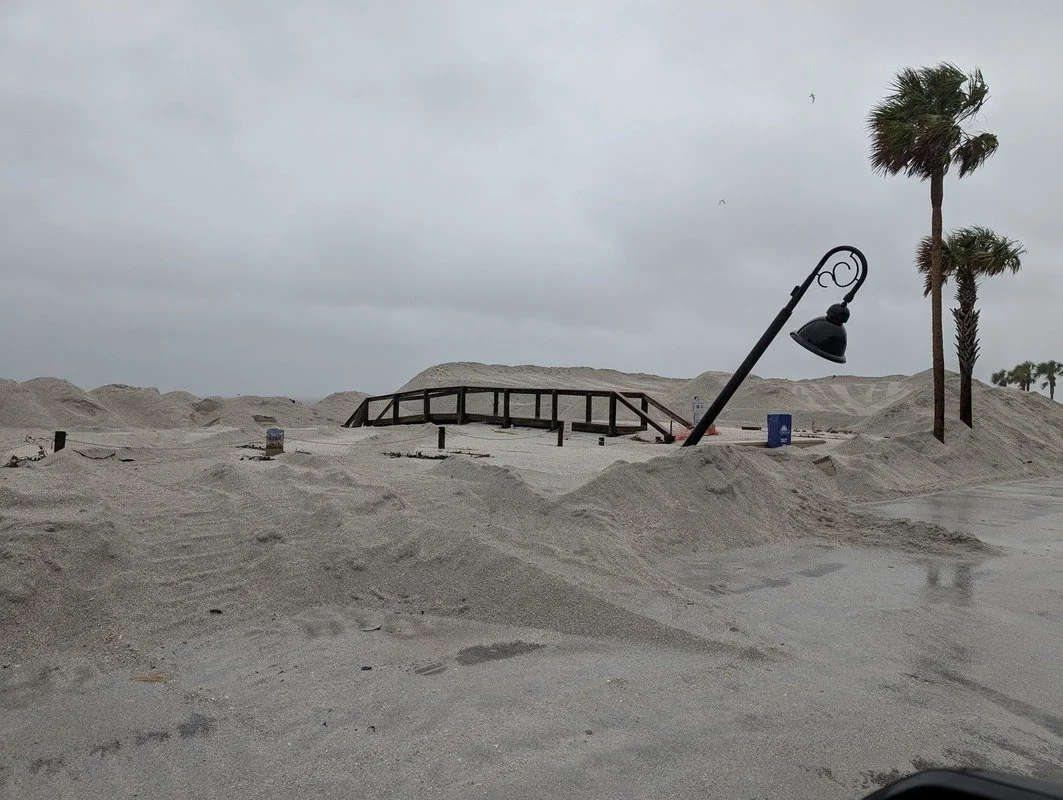
I’ve ridden out plenty of hurricanes in my lifetime, some back when I was just a kid running barefoot through the sand, watching my grandfather check the windows and mutter his own version of “It’s just a little wind.” But nothing in my memory compares to what hit St. Pete Beach in quick succession back in 19XX — Hurricanes Helene and Milton. Thirteen days apart, they tore through our streets, our businesses, and our sense of normalcy in a way that still lingers.
Even now, decades later, you can see the scars. Some businesses have never reopened. Some neighborhoods look like they’ve been frozen in time since that double whammy. For those of us who live here, who have weathered storms from back in ’65 and remember when a hurricane meant wind, rain, and perhaps a little flooding, this was different. The water, it seems, has its own agenda now.
The Calm Before the Double Whammy
I’ll never forget the warning signs. The clouds rolled in like a gray tide, and the Gulf itself seemed to be holding its breath. Helene arrived first, packing winds that rattled shutters, knocked over trees, and left us wondering if the beach would ever look the same. We rode it out — as my family always has — but we didn’t fully grasp the scale.
Just under two weeks later, Milton showed up. By then, sand was gone in some places, streets were rivers, and the storm surge hit like nothing we’d seen. At my corner of the beach, reports measured a surge of 6.3 feet. In other parts of Pinellas County, it reportedly reached 10 feet or more. I had seen surge before, but nothing like that, especially not back-to-back.
Hello, World!
Wind, Water, and the Unseen Damage
It’s easy to talk about wind speeds and rainfall totals, but the real impact was subtle and long-term. The foundations of buildings, the businesses that relied on tourists, the homes that once felt invincible — many were weakened beyond repair. Even the sand itself shifted in ways that changed our dunes forever.
This is the part I hope everyone reading this understands: hurricanes today are different. Yes, wind is destructive. But storm surge? Flooding? They’re the real silent force. And with parts of St. Pete Beach already below sea level, the water isn’t waiting politely at the shoreline anymore.
Lessons from a Fourth-Generation Floridian
I’ve always ridden out hurricanes, like my grandfather did. It’s part stubbornness, part respect for tradition, part Florida DNA. But I’ll be honest: after Helene and Milton, even I reconsidered. Storms aren’t just a spectacle anymore — they’re a force that will change your town if you let it.
Here’s what I want to leave you with, especially if you call Florida home or plan to visit during hurricane season:
Evacuate if told. Your house, your memories, and even your favorite sandwich shop are replaceable. You are not.
Have a plan. Know your safe locations, your exit routes, and the people you’ll check in with.
Prepare a hurricane kit. Water, food, medications, chargers, flashlights. Enough to last at least 72 hours.
Hurricanes Helene and Milton were extreme, but the reality is, future storms will likely hit harder, faster, and with less warning. The world has changed, and the Gulf has a memory.
What Was Lost — and What Remains
The beach is different now. Even decades later, you see reminders of the storms everywhere. Broken businesses that never came back. Streets that flood at the slightest rain. And yet, life goes on. Families still build sandcastles, tourists still wander the shore, and the stubborn Floridian spirit persists.
But don’t be fooled. Respect the warnings. Respect the water. It’s part of our story, and it deserves both awe and caution.
Further Reading
For more True Stories about Florida’s storms and coastal life:
Florida Geography: A State That Refused to Sit Still
Sinkholes: Florida’s Trapdoors
How Chickens Took Over Key West Without Firing a Single Shot
Until next tide,
Earl Lee, Florida Unwritten — thanks for reading, please share.
