John Pennekamp Coral Reef State Park
The Quiet Miracle Florida Almost Missed
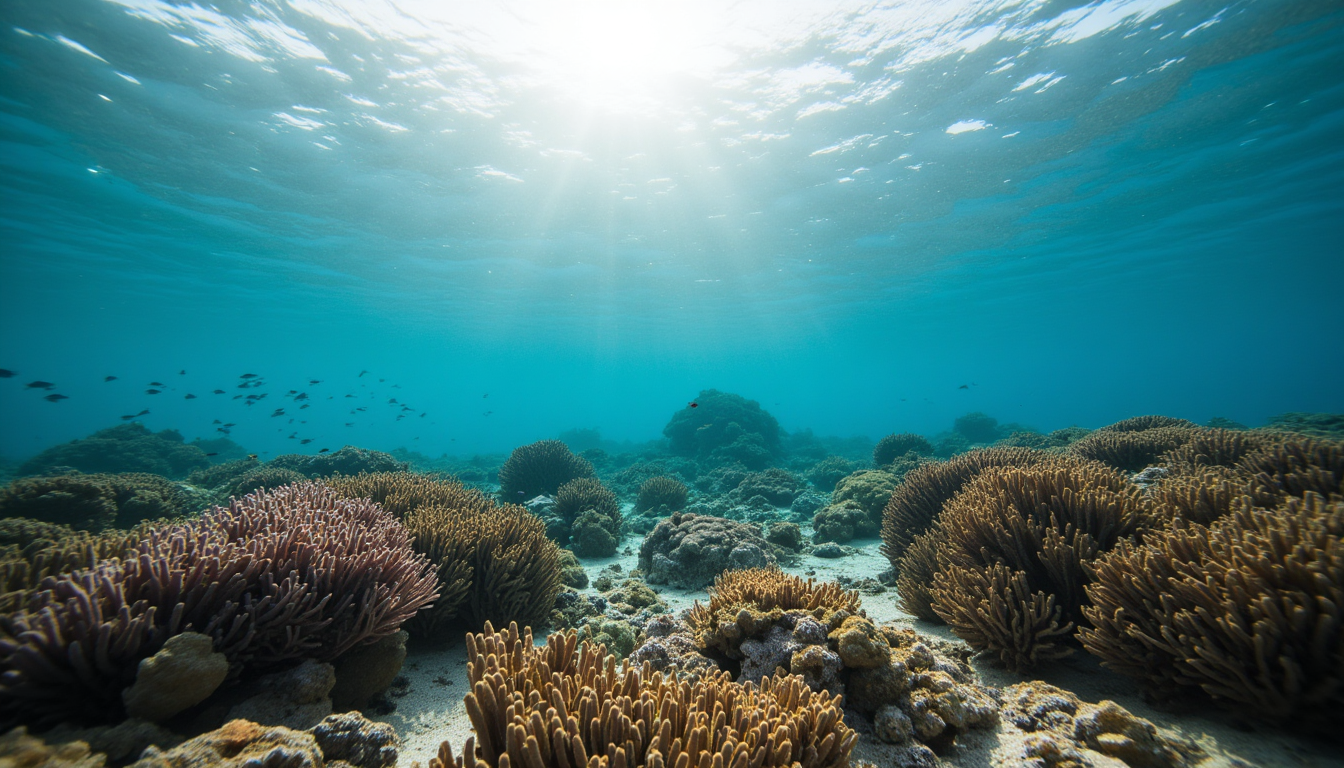
Florida’s first underwater state park wasn’t created for spectacle. It was created so this could keep breathing.
Long before snorkel masks fogged with breath and tour boats idled over turquoise water, the reef off Key Largo was just… there.
No signs. No tickets. No park map.
Just coral doing coral things. Fish live loud little lives. And a fragile world close enough to touch, yet easy to ruin.
Florida didn’t protect it because it was flashy.
Florida protected it because a few people noticed what would disappear if they didn’t.
A Park That Shouldn’t Have Existed
In the 1950s, South Florida was changing fast. Dredging, dumping, blasting channels wider and deeper. The ocean wasn’t scenery. It was a utility.
Coral reefs were obstacles.
Boat operators scraped them. Developers dynamited them. Trash drifted where currents carried it, and nobody thought much about tomorrow’s tide.
Except one man who paid attention.
John Pennekamp was a newspaper editor, not a scientist. He wasn’t a diver either. What he had was influence, curiosity, and a stubborn belief that Florida shouldn’t destroy something just because it sat underwater and out of sight.
He listened to fishermen. He read reports. He followed stories others ignored.
What he found was alarming.
Florida’s reefs were dying quietly.
Ink Before Anchors
Pennekamp did what editors do best. He made noise.
Through the Miami Herald, he pushed stories about coral destruction into public view. He asked uncomfortable questions. He challenged state officials who treated reefs as expendable.
Why protect mangroves but not coral?
Why safeguard beaches while ignoring what kept them alive?
The idea of an underwater park sounded absurd at the time. Parks were for picnics. For benches. For places where shoes stayed dry.
But Pennekamp argued that Florida’s greatest natural wonder wasn’t on land at all.
It was just offshore, glowing in sunlight filtered through water.
America’s First Underwater State Park
In 1963, against expectation and momentum, Florida did something unprecedented.
It created John Pennekamp Coral Reef State Park, the first underwater park in the United States.
No fences.
No gates.
Just rules, lines on maps, and a promise to protect what most people would never see clearly.
The reef didn’t suddenly recover overnight. Coral doesn’t work that way. It grows slow. It forgives reluctantly.
But protection mattered.
Anchors were restricted. Destruction slowed. Awareness spread.
Florida, for once, chose restraint. Florida’s Underground Playground
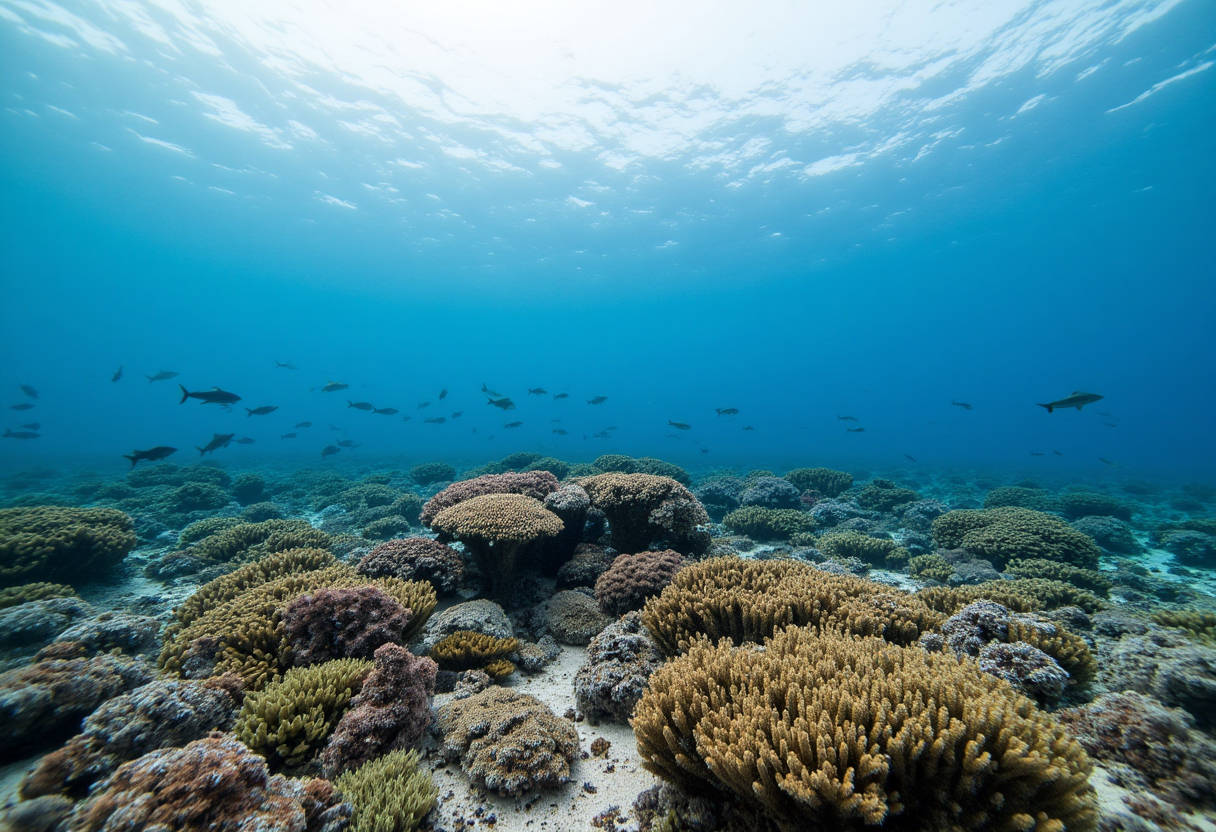
Protection doesn’t look dramatic. It looks like survival.
The Glass-Bottom Compromise
Not everyone wanted to get wet. That mattered too.
So they built glass-bottom boats. A compromise between access and preservation. Let people see without touching. Witness without leaving fingerprints.
The idea of an underwater park sounded absurd at the time.
.
For many visitors, that first glimpse through thick glass was unforgettable. Coral fans waving. Parrotfish flashing color. A city beneath the waterline.
Some walked away changed.
Others just went to lunch.
Florida allows both.
A Park That Teaches Without Lecturing
Today, John Pennekamp Coral Reef State Park doesn’t shout its importance.
It lets the water do that.
Snorkelers drift over shallow reefs. Divers descend to deeper structures. Kayaks slide across mangrove edges where land and sea negotiate boundaries daily.
The park isn’t perfect. Reefs still struggle. Climate, pollution, and carelessness haven’t vanished.
But the difference is this:
Now, loss isn’t invisible.
What This Place Really Represents
John Pennekamp Coral Reef State Park isn’t just about coral.
It’s about Florida learning, briefly, how to pause.
It’s about recognizing that beauty doesn’t need improvement.
That access requires responsibility.
That some miracles happen quietly and stay alive only if left alone.
The reef doesn’t care about the man whose name it carries.
Because without one editor asking inconvenient questions, this place would be rubble, memory, footnote.
Instead, it’s still breathing.
Still glowing.
Still there.
Share if you smiled. Until next time, watch the tide.
Earl Lee
