
The Conch Republic
The Day Key West Seceded From the United States
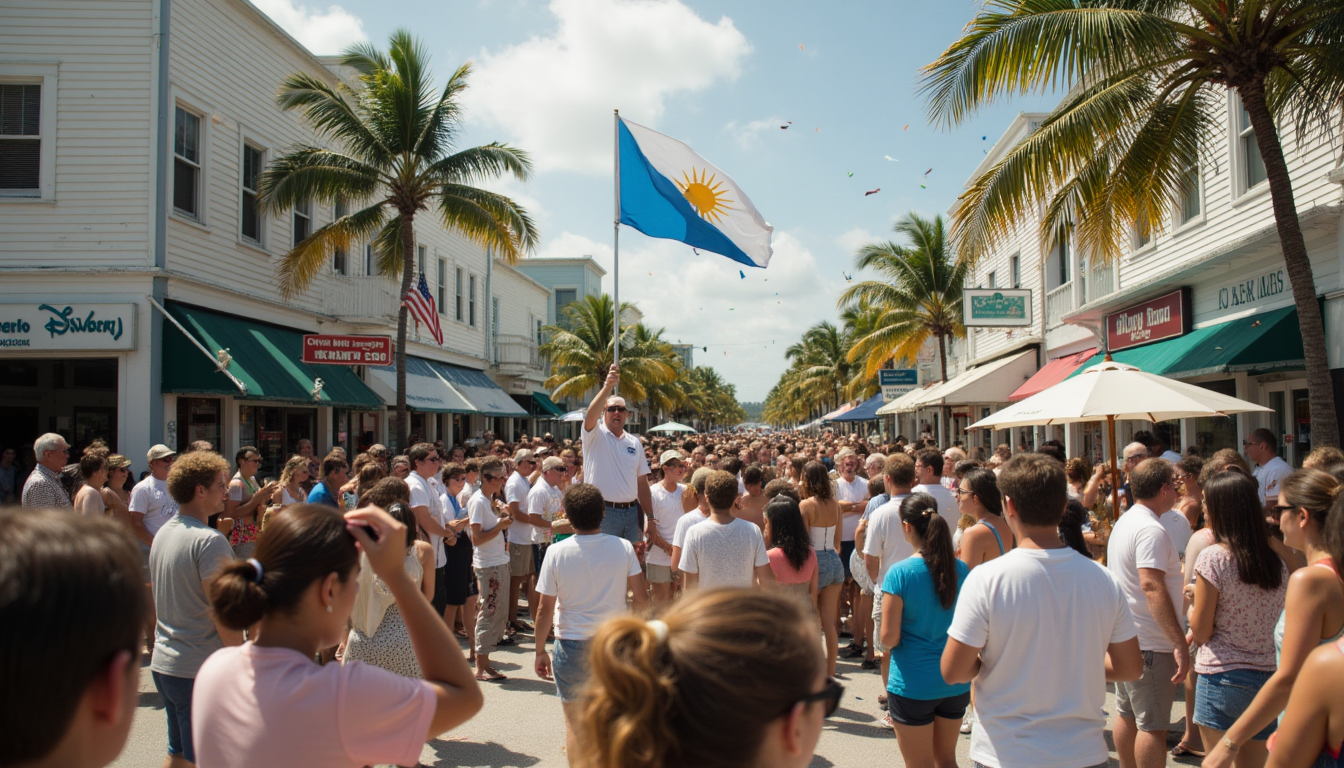
The Declaration
On April 23, 1982, Key West woke up, stretched, and decided it had finally had enough of mainland nonsense.
By noon, the island had declared independence from the United States, appointed a prime minister,
raised a flag, and launched a one‑minute war involving a loaf of stale Cuban bread.
It sounds like a joke — and it was —, but it was also a protest that changed the Keys forever and cemented one of the most iconic Florida stories of all time.
Why Key West Was Fed Up
To understand the Conch Republic, you have to understand the Keys.
They’re connected to the mainland by a single road: US‑1, the Overseas Highway. It’s the artery that keeps the islands alive — bringing in tourists,
supplies, and the occasional confused mainlanders who thought Key Largo was the end of the line.
In early 1982, the federal government set up a roadblock on that highway near Florida City.
Agents stopped every car heading north, searching for drugs and undocumented immigrants.
To Washington, it was a routine enforcement action.
To the Keys, it was a disaster.
Traffic backed up for miles. Tourists turned around. Hotel bookings tanked. Charter boats sat idle.
Locals felt insulted — as if the federal government had quietly decided the Keys were no longer part of the United States.
And if there’s one thing you don’t do, it’s tell Key West it doesn’t belong.
The Mayor Who Had Enough
Dennis Wardlow, the mayor of Key West, was not a man who enjoyed being ignored.
He called Washington. He called Tallahassee. He called anyone who would listen.
Nobody did.
So Wardlow gathered his council and said something that would go down in Florida history:
“If they’re going to treat us like a foreign country… then that’s exactly what we’ll be.”
The idea wasn’t just bold — it was brilliant.
If the Keys were being treated like a foreign nation, then they would become one. And they would protest the roadblock not with anger,
but with humor, spectacle, and a little island mischief.
The Birth of a New Nation
At noon on April 23, 1982, in front of a crowd of locals, reporters, and confused tourists holding margaritas,
Wardlow declared the independence of the Conch Republic.
A flag was raised.
A constitution was announced.
Passports were printed.
A military was formed — consisting of a man armed with a loaf of stale Cuban bread, chosen for its aerodynamic qualities.
The Conch Republic was born with a motto that still stands today:
“We Seceded Where Others Failed.”
The One-Minute War
Immediately after declaring independence, Wardlow — now Prime Minister — launched an “attack” on the U.S. Navy by breaking the loaf of bread over the head of a Navy sailor.
The sailor, who had been warned this might happen, took the hit with dignity.
Then, in a move that would make any Floridian proud, the Conch Republic surrendered one minute later and requested one billion dollars in foreign aid to rebuild their “war‑torn nation.”
The stunt was so absurd, so perfectly executed, that it worked.
The roadblock was removed.
The Keys reopened.
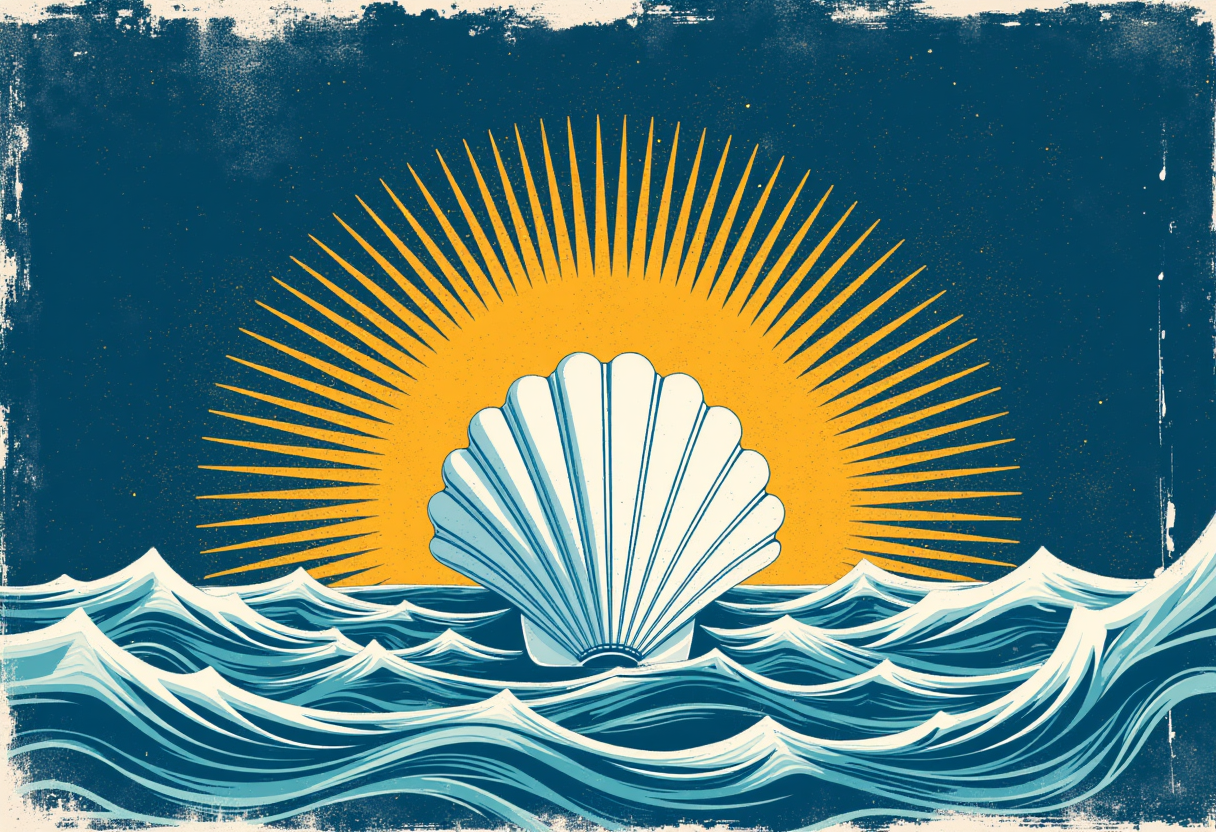
Conch Republic flag
And the Conch Republic became a permanent part of Florida lore.
The Aftermath: A Legend Takes Root
What started as a protest quickly turned into an identity. The Conch Republic didn’t fade away after the cameras left — it grew.
Today, the Conch Republic:
• issues novelty passports
• hosts an annual week‑long Independence Celebration
• sells flags, shirts, and official “citizenship.”
• maintains a “navy” of schooners and sailboats
• welcomes new “citizens” with open arms and cold drinks
Ask anyone in Key West, and they’ll tell you:
They didn’t leave the United States — the United States left them first.
The Spirit Behind the Secession
The Conch Republic isn’t just a quirky chapter in Florida history.
It’s a symbol of the Keys’ stubborn independence and their refusal to be pushed around.
The people of Key West have always been a mix of fishermen, artists, wanderers, dreamers,
and folks who came for a weekend and never left.
They’re fiercely protective of their island and allergic to anything that threatens its freedom or its fun.
The secession wasn’t about politics.
It was about pride.
It was about survival.
And it was about reminding the world that the Keys may be small, but they are mighty — and very, very creative.
The Conch Republic Today
Walk down Duval Street, and you’ll see Conch Republic flags flying from bars, boats, and balconies.
Locals still call themselves “Conchs,” and newcomers who’ve lived there long enough earn the title “Freshwater Conchs.”
Every April, the island celebrates its independence with:
• a mock sea battle
• a “drag race” (the high‑heels kind)
• a royal court
• a parade
• and enough rum to float a schooner
It’s part history lesson, part party, and part reminder that the Keys will always do things their own way.
Why This Story Still Matters
The Conch Republic endures because it captures something essential about Florida:
When faced with a problem, Floridians don’t just complain — they get creative.
Sometimes that creativity involves a loaf of bread and a declaration of independence.
The Conch Republic is a reminder that humor can be powerful, community can be defiant,
and even the smallest places can make the biggest noise when pushed too far.
Some places fight with laws or speeches. Key West fought with humor, bread, and a whole lot of island pride — and somehow, it worked
“Florida Unwritten runs on stories, sunburn, and caffeine.
If you enjoyed this, you can buy me a coffee. No pressure.”
Earl Lee
