Pirates, Hammocks, and the Real Florida Coast
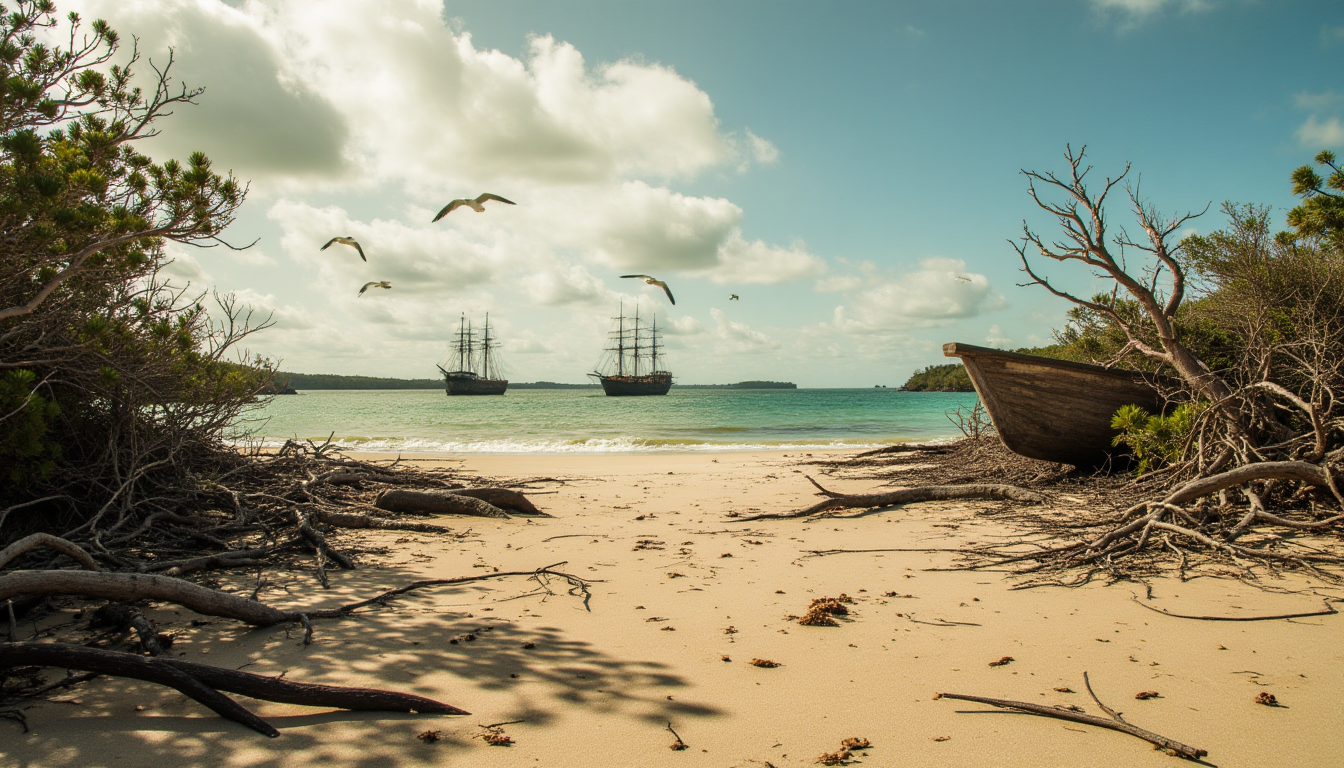
Florida coastline
A True Story of Florida’s Pirate Past
Florida didn’t invent pirates, but it gave them excellent working conditions.
Warm waters. Hidden coves. Shallow reefs are perfect for wrecking ships that didn’t know better. Long stretches of coast where a man could disappear for years and only be noticed if he came back louder than before.
By the time Florida officially became part of the United States, piracy had already left fingerprints all over its shoreline.
Florida’s Golden Age of “Accidental” Piracy
Most Florida pirates didn’t fit the storybook mold. They weren’t all skull flags and dramatic accents. Many were wreckers, salvagers, and opportunists who waited for storms to do the hard work.
When ships ran aground on Florida’s reefs, locals showed up quickly. Sometimes to help. Sometimes to help themselves. The line between rescue and theft blurred easily, especially when cargo floated free, and no one was watching too closely.
The Florida Keys were especially busy. Narrow channels, unpredictable weather, and reefs just below the surface turned the area into a natural trap for passing ships. Anything that washed ashore was considered fair game by someone.
Not all of them called themselves pirates.
But history often does.
Black Caesar and the Florida Coast
One of Florida’s most well-known pirate figures was Black Caesar, a man whose story blends documented history with rumor so seamlessly it’s hard to tell where one ends and the other begins.
Caesar operated along the Florida Keys and the Caribbean in the early 1700s. Some accounts say he posed as a shipwreck survivor, luring rescue boats close before attacking. Others describe him as a savvy operator who knew exactly where ships would run aground and waited patiently.
Either way, he understood Florida.
Shallow water. Confusing currents. Places to hide that looked empty until they weren’t.
Caesar’s legacy lingers in place names, stories, and a general sense that Florida has always been comfortable hosting people who didn’t quite follow the rules.
Why Pirates Loved Florida Geography
Florida’s shape itself invited trouble.
A peninsula stretching into busy trade routes. Two coasts, both full of inlets and mangroves. Sandbars that shifted seasonally make maps unreliable and navigation risky. Even experienced sailors could misjudge Florida’s waters, especially before modern charts and GPS.
Pirates didn’t need to overpower entire fleets. They just needed patience.
Storms did the rest.
The Myth of Buried Treasure
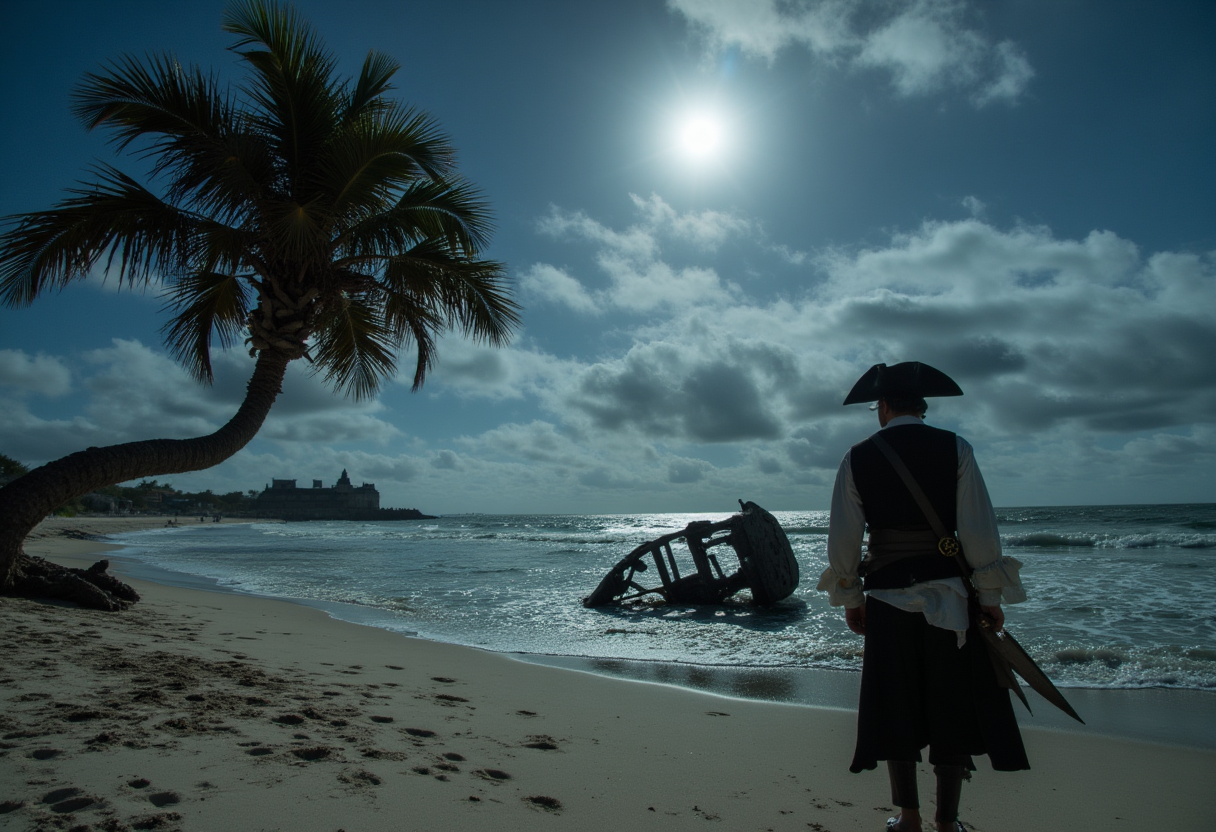
Florida pirate history blending coastal geography and folklore
Did pirates bury treasure in Florida?
Sometimes.
But not nearly as often as stories suggest.
Most pirates preferred spending loot quickly rather than digging holes in sand they might never return to. Buried treasure made for good legends, though. It turned forgotten beaches into places of possibility. It gave locals something to talk about during long afternoons.
Florida absorbed those stories eagerly. A state that already thrived on rumor, exaggeration, and half-remembered events didn’t need much encouragement.
Treasure became less about gold and more about the idea that something valuable might still be hidden, just out of reach.
Hammocks, Hiding Places, and Long Memories
In Florida, the word “hammock” doesn’t just mean a place to nap. It also refers to raised areas of hardwood forest surrounded by wetlands, natural hiding spots used by Native tribes, settlers, and yes, criminals avoiding attention.
Pirates and smugglers favored hammocks because they offered elevation, shade, and cover. Supplies could be stored there. People could rest. Plans could be made quietly.
Over time, these hammocks collected stories.
Someone camped there too long. Someone vanished. Someone swore they heard voices where no one stood. Florida doesn’t forget places that once mattered, even if it forgets names.
When Pirates Became Folklore
As piracy faded, the stories stayed.
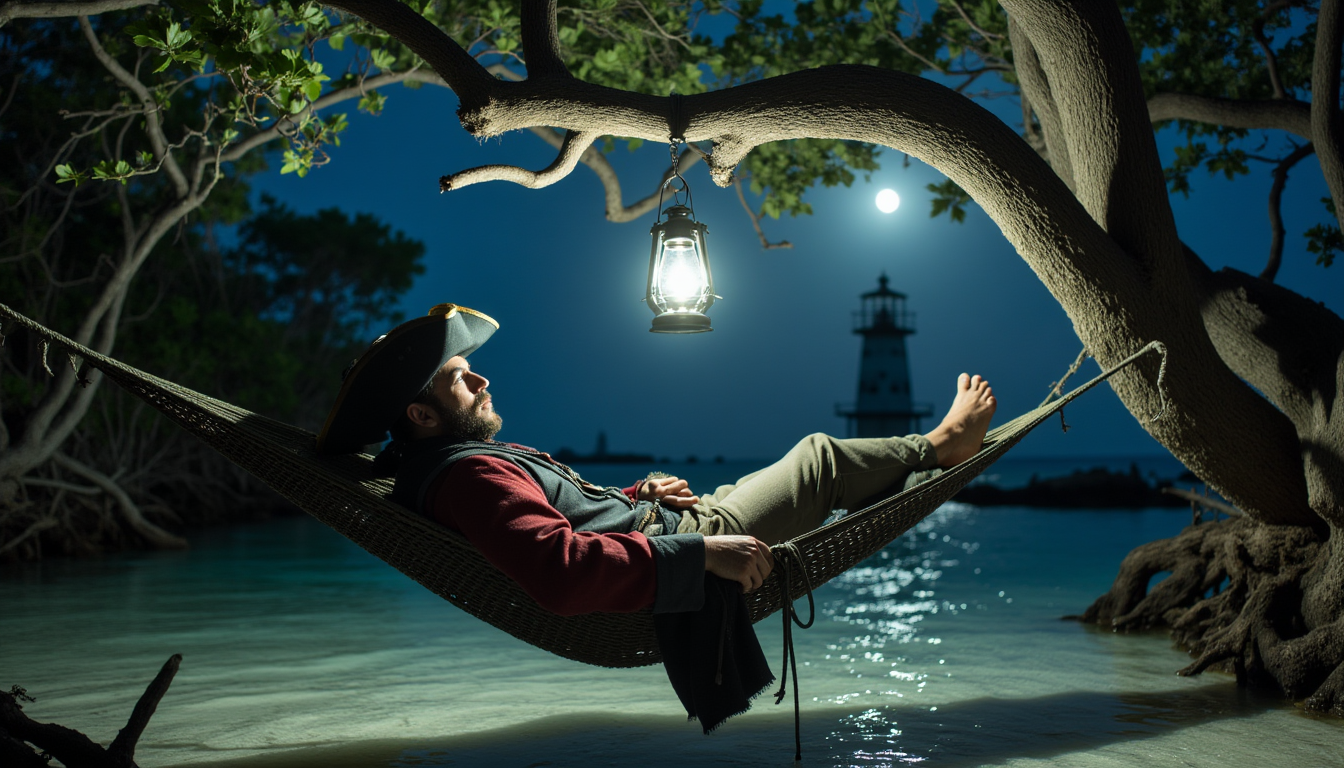
They shifted tone. Became funny. Became strange. Pirates lost their edges and gained quirks. Bare feet replaced boots. Hammocks replaced ships. Ghosts replaced criminals.
This is how Florida processes history.
Danger softens into absurdity. Fear turns into humor. The coastline remembers, but not precisely.
That’s why ghost pirates feel believable here. Not because they’re likely, but because they fit. Florida has always been comfortable letting the past linger slightly unfinished.
Real Lessons from Florida’s Pirate Era
Strip away the legends and Florida’s pirate history still leaves a few truths behind:
The coast has always been unpredictable.
Outsiders have always underestimated it.
Opportunists have always found room to operate here.
Pirates didn’t haunt Florida because it was lawless. They haunted it because it was complicated. Navigation was difficult. Authority was distant. Nature didn’t care about plans.
In many ways, that hasn’t changed.
Why These Stories Still Stick
Florida’s pirate past survives not because of buried gold, but because it explains something deeper about the place.
Florida rewards patience and punishes certainty.
It favors people who adapt.
And it has never fully trusted maps.
Stories of pirates, wreckers, and wandering spirits give shape to that truth. They remind us that the coastline was never meant to be tidy.
Somewhere between documented history and exaggerated memory, Florida keeps its characters alive. Not as villains. Not as heroes. Just as reminders that this land has always had its own rules.
The legend of Captain Sandspur Sam
And if a hammock sways where no one hung it, or the beach feels crowded when it isn’t, that’s probably just history stretching its legs.
Florida has always been good at that.
“Florida Unwritten runs on stories, sunburn, and caffeine.
If you enjoyed this, you can buy me a coffee. No pressure.”
Earl Lee
Florida Unwritten
