“Maleficent: Misunderstood Villain or Dragon with a Point?”
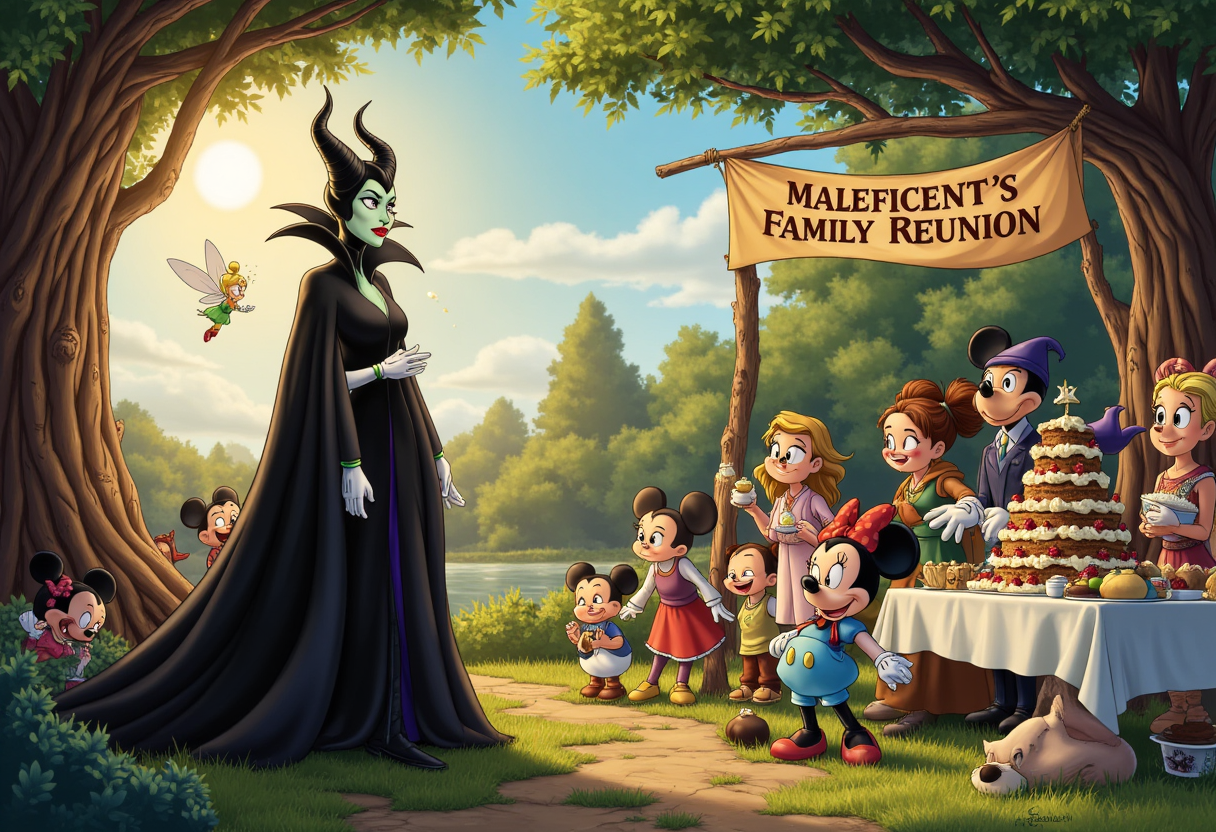
“Just like your aunt at the family reunion, Maleficent has often been misunderstood at first glance.”
We've all been there - misunderstood by others, that is. Just like your aunt at the family reunion, who insists on wearing that interesting hat, we're often judged based on superficial traits. Take Maleficent, Disney's iconic villain from Sleeping Beauty, for instance.
With her dramatic horns and sinister laugh, she's the epitome of "bad guy." But is she really?
Let's take a closer look at this complex character. Was Maleficent just having a bad day - or century? Perhaps her story is more nuanced than we think. After all, who hasn't felt like they're having a bad hair day... or a bad life, for that matter?
Key Takeaways
Maleficent is more than just a Disney villain.
Her character has depth and complexity.
We're reevaluating her role in Sleeping Beauty.
A closer look reveals a misunderstood character.
Maleficent's story is nuanced and multifaceted.
The Birth of a Villain: Maleficent's Origin Story
Maleficent's origin story is a tale of transformation, but not exactly the kind you'd call a glow-up. We're diving into the backstory of Disney's most iconic villain, exploring how she went from fairy to fearsome – and it's a wild ride.
From Fairy to Fearsome: The Evolution of Maleficent
Maleficent's transformation is often likened to a makeover gone wrong. One minute she's a beautiful fairy, and the next, she's a fire-breathing dragon with horns and a penchant for drama. But what drove this change? Was it a bad hair day, or did she just get tired of being a wallflower at the fairy parties?
Disney's Original Vision vs. Modern Interpretation
Disney's original Maleficent was more one-dimensional – think evil for the sake of being evil. However, modern interpretations have added layers to her character, making her a complex anti-hero. This shift in portrayal has sparked debate among fans: is she a misunderstood hero or just a really, really bad person?
Behind the Horns: What Disney Never Told You
Disney's Maleficent has some deleted scenes that could've changed everything. Imagine if we'd seen more of her softer side – perhaps a snippet of her baking a cake for Aurora's birthday or practicing yoga to manage her stress? Okay, maybe not that last one, but you get the idea.
The Deleted Scenes That Would Change Everything
Some of these deleted scenes hinted at a deeper backstory, one that could've made Maleficent more sympathetic. It's like finding out your favorite villain has a secret talent for knitting – it humanizes them, right?
As we explore Maleficent's origin story, it's clear that her transformation into a villain is multifaceted. With a mix of Disney's original vision and modern twists, we're left wondering: what's the real story behind Maleficent's horns?
When Being a Dragon Was Actually the Reasonable Choice
In a world where words often fall flat, being a dragon can be the ultimate game-changer. We often joke about needing to "breathe fire" when we're angry or frustrated, but for Maleficent, this wasn't just a figure of speech – it was a literal solution to her problems.
The Logic of Breathing Fire When Angry
Have you ever tried to reason with someone who's being unreasonable? It's like trying to put out a fire with gasoline. Sometimes, the most effective response is not to reason at all, but to simply breathe fire back. In Maleficent's case, her fiery response was a metaphorical middle finger to the status quo.
Why Words Sometimes Fail (But Fire Never Does)
Words can be empty, hollow, and often lost in translation. But fire? Fire is a universal language that commands respect. When Maleficent breathes fire, she's not just expressing her anger; she's making a statement that can't be ignored. Here are a few reasons why fire trumps words:
It's a clear and direct form of communication.
It leaves a lasting impression.
It's hard to argue with a wall of flames.
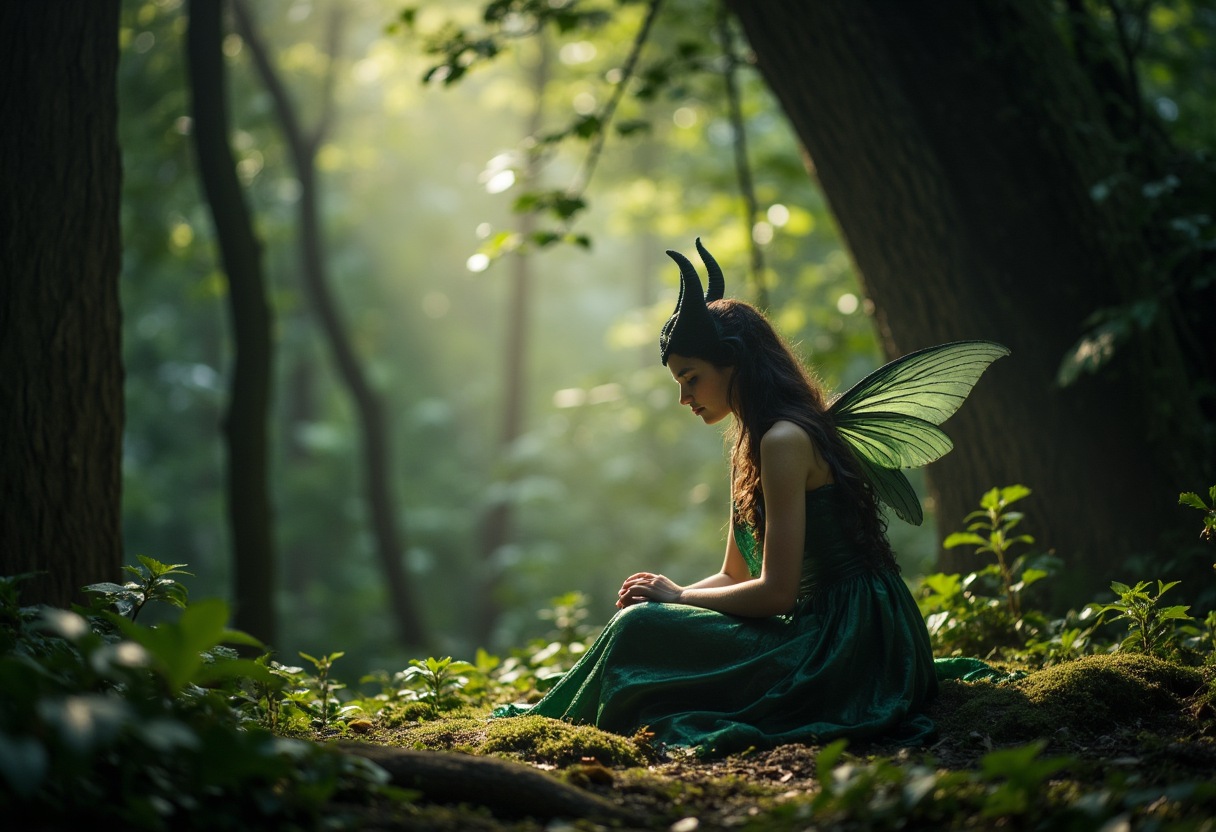
Maleficent’s story began as a fairy of grace and beauty.”
Size Matters: The Advantages of Dragon Form
Being enormous has its advantages, especially when you're trying to win arguments or intimidate your enemies. As a dragon, Maleficent towers above the competition, quite literally. Her size and presence command attention and respect, making it easier for her to get her point across.
How to Win Arguments by Simply Being Enormous
Let's be real – when you're a giant dragon, you don't need to win arguments through logic or reason. Your sheer size and the fear it inspires are often enough to silence your opponents. It's like having the ultimate trump card, but instead of a card, it's a claw.
In conclusion, being a dragon wasn't just a fancy costume for Maleficent; it was a strategic choice that offered her a range of benefits, from effective communication to an intimidation factor. So, the next time you're feeling frustrated or marginalized, just remember: sometimes, being a dragon is the most reasonable response.
Maleficent's PR Problem:
How She Got Such a Bad Rap
When it comes to fairy tale villains, Maleficent is often at the top of the list, but is it possible that she's been misrepresented by the kingdom's media? We often hear about her curse on Princess Aurora, but rarely do we consider the events that led up to this moment.
Media Bias Against Magical Creatures
The kingdom's newspaper has long been criticized for its biased reporting against magical creatures. This bias has contributed significantly to Maleficent's negative public image. The paper's sensationalized headlines and lack of balanced reporting have created a skewed public perception of Maleficent and other magical beings.
When the Kingdom's Newspaper Only Tells One Side
The kingdom's newspaper has a history of publishing one-sided stories that vilify magical creatures. For instance, when Maleficent was not invited to Aurora's christening, the paper portrayed her as a jilted villain rather than exploring the complexities of the situation.
Discover the Stories Florida Never Put on the Map.
Hidden places. Strange history. Stories the brochures forgot. Explore Florida Unwritten and see the Sunshine State differently.
The Aurora Incident: What Really Happened
The incident involving Princess Aurora and Maleficent's curse is often cited as the prime example of Maleficent's villainy. However, what if the real issue was not being invited to the party? Perhaps the hurt and exclusion felt by Maleficent were the true catalysts for her actions.
Not Being Invited to Parties: The Ultimate Villain Origin
Not being invited to social events can be a powerful motivator, especially for someone as proud as Maleficent. This slight could have been the trigger that set off a chain of events leading to her vengeful curse. It's a scenario that highlights the human side of Maleficent and makes her actions more understandable, if not justifiable.
In conclusion, Maleficent's bad reputation might be the result of biased media coverage and a lack of understanding of her perspective. By examining the events leading up to her infamous curse, we can see that there's more to her story than initially meets the eye.
The Magnificent Dragon:
Why Maleficent's Transformation Was Her Power Move
Maleficent's transformation into a dragon was more than just a physical change; it was a declaration of power. When she spreads her wings and unleashes a stream of fire, it's a moment that commands attention and respect.
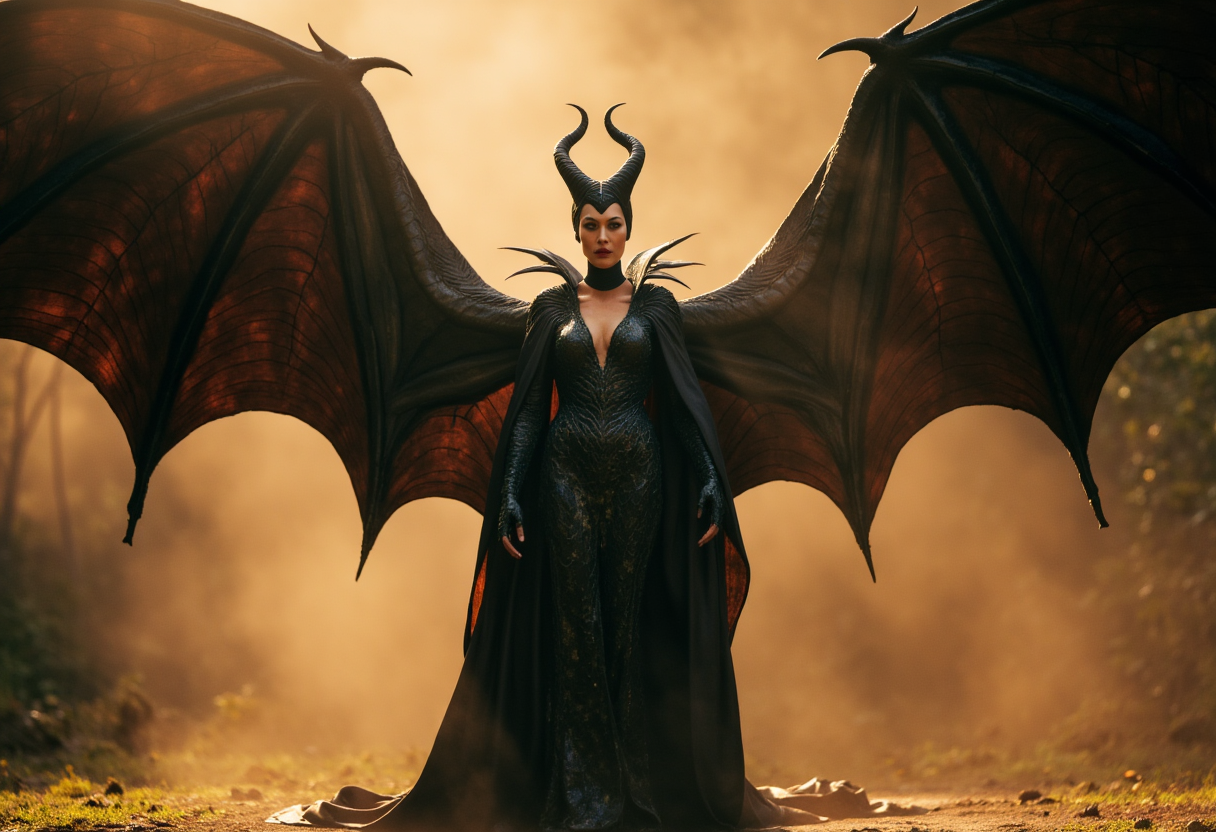
Maleficent’s evolution into a fearsome dragon was a dramatic makeover of epic proportions.”
The Science of Magical Dragon Transformation
The process of transforming into a dragon involves complex magical energies that defy the conventional laws of physics. Conservation of mass takes on a whole new meaning in a kingdom where magic is real.
Conservation of Mass? Not in This Kingdom!
In the world of Maleficent, the rules of physics are more like suggestions. When she transforms, her mass doesn't just change form; it expands to accommodate her new dragon physique. This isn't just a simple matter of rearranging particles; it's a fundamental rewriting of her very being.
AspectHuman FormDragon FormSizeHuman scaleMassive, imposingAbilitiesMagic, manipulationFlight, fire-breathing, enhanced strengthImpactIntimidation, charmFear, awe, destruction
Green Fire: Environmentally Friendly or Just for Show?
Maleficent's "green fire" is a topic of much debate. Is it an environmentally friendly alternative to traditional fire-breathing, or is it just a stylish touch? The truth lies somewhere in between.
The Carbon Footprint of Magical Flames
While Maleficent's fire may appear green and thus eco-friendly, the magical energy behind it has its own environmental impact.
"The carbon footprint of magical flames is a complex issue, involving not just the immediate effects of the fire but the broader ecological consequences of wielding such power."
In conclusion, Maleficent's transformation into a dragon is a multifaceted display of power, magic, and, surprisingly, environmental awareness. It's a reminder that even the most fearsome creatures can have layers beyond their initial appearance.
Maleficent's Diary: Dear Journal, Today I Cursed a Baby...
It's not easy being evil, especially when your morning routine involves turning into a dragon. As I reflect on my day, I realize that being a villain isn't all it's cracked up to be.
Monday: Woke Up Cranky, Turned into Dragon
My day started like any other Monday – with a cranky mood. I woke up on the wrong side of the bed (or rather, the wrong side of the lair), and before I knew it, I had transformed into a magnificent dragon. My scales glistened in the dim light, and my fiery breath warmed up the cold stone floor.
The Morning Routine of a Misunderstood Villain
As a dragon, my morning routine is quite different from that of your average human. I don't need coffee to wake me up; a good roar does the trick. My exercise routine involves flying over the kingdom, feeling the wind beneath my wings, and – on occasion – accidentally burning a few crops. It's not intentional, I swear!
The Emotional Toll of Being Typecast as Evil
Being seen as the ultimate villain can be tough. People expect me to be evil all the time, and it gets exhausting. Sometimes I just want to have a nice cup of tea and a friendly chat, but no one gives me the chance.
When Everyone Expects the Worst of You
The worst part is when people judge me based on my appearance or my reputation. They don't see the person behind the horns and the cape. They don't understand that I'm more than just a one-dimensional villain. I'm a complex being with feelings and emotions, just like them.
Despite all this, I'll continue to be the best villain I can be – with a heart of gold, hidden beneath the surface.
The Dragon's Guide to Making Friends and Intimidating People
Being a dragon has its perks, especially when it comes to intimidating people and making friends who actually appreciate you. As Maleficent, the iconic Disney villain, demonstrates, being a fearsome creature can be a social advantage.
Why Ravens Make Better Companions Than Princes
Maleficent's relationship with Diaval, her loyal raven companion, shows that having a bird sidekick is far more practical than relying on a prince charming. Ravens are intelligent, loyal, and won't try to kiss you awake from a centuries-long sleep.
Maleficent diary
Diaval: The Ultimate Wingman (Literally)
Diaval isn't just any raven; he's Maleficent's trusted confidant and partner in crime. With his ability to transform into various creatures, Diaval is the ultimate wingman – or should we say, wing-raven?
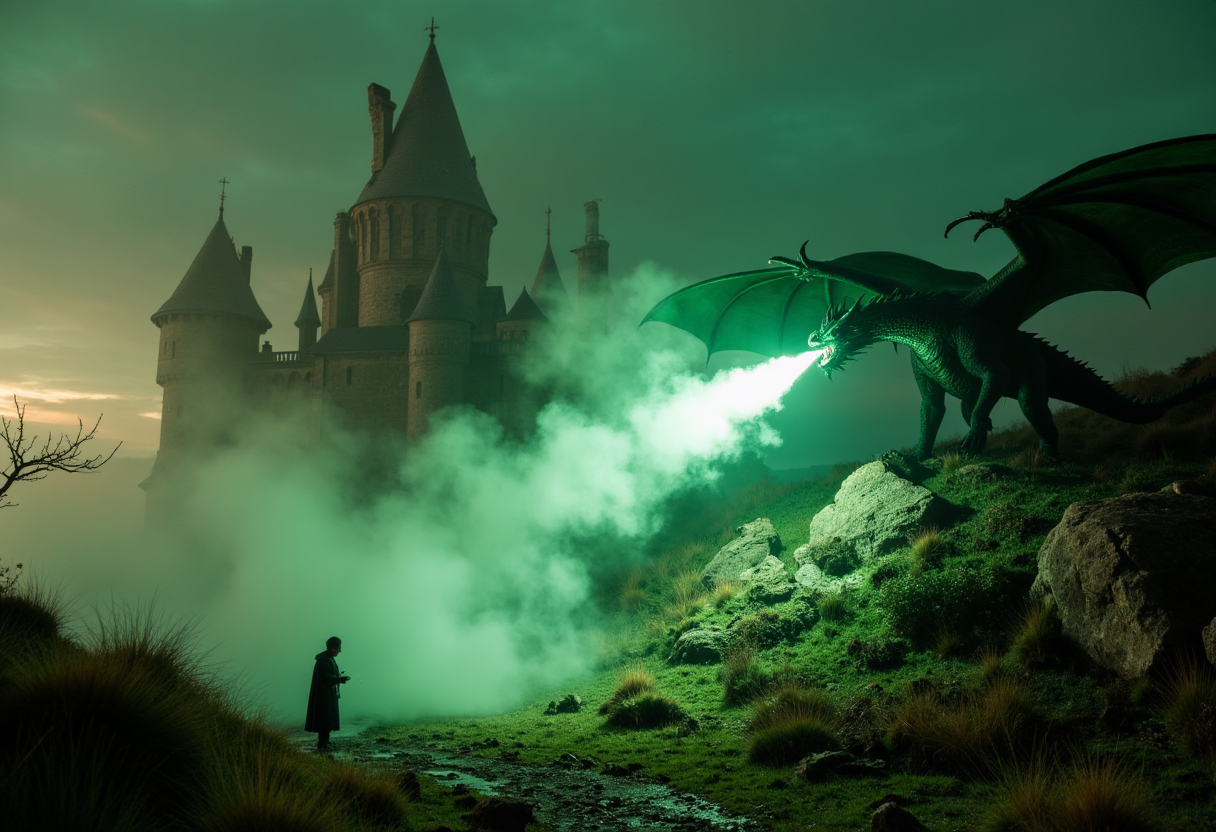
Sometimes, breathing fire isn’t overkill—it’s just the most reasonable response
Maleficent's Guide to Dramatic Entrances
A good entrance can make or break a villain's reputation. Maleficent knows this all too well, often making grand entrances that leave a lasting impression. Whether it's bursting into a room or simply appearing out of thin air, a dramatic entrance is key to commanding respect.
Smoke Effects on a Budget: DIY Villain Techniques
Creating a dramatic entrance doesn't have to break the bank. Here are some DIY tips for achieving a smoky entrance on a budget:
MaterialCostEffectDry Ice$5Creates a thick, mysterious fogSmoke Bombs$10Produces a dramatic cloud of smokeMirror Effects$20Creates an illusion of appearing out of nowhere
By following these tips, you too can make a lasting impression like Maleficent. After all, being a villain is all about style and drama.
Therapy Sessions: What a Psychologist Would Say About Maleficent
Unraveling Maleficent's psyche is like navigating a complex web of magic, trauma, and misunderstood villainy. As we explore what a psychologist might say about this iconic Disney character, we'll uncover the underlying issues that drive her actions.
Unresolved Childhood Trauma or Just Really Good at Being Bad?
Maleficent's backstory is a mix of betrayal, heartbreak, and a dash of magical mayhem. A psychologist might argue that her transformation into a dragon is a manifestation of unresolved childhood trauma. Alternatively, she's just exceptionally skilled at being the villain. Either way, her coping mechanisms are... let's say, creatively destructive.
The DSM-5 Entry for "Dragon Transformation Disorder"
If "Dragon Transformation Disorder" were a real condition, it would likely be listed in the DSM-5 as a unique form of stress response. Symptoms might include: scales, fire-breathing, and an increased tendency to curse royalty. Treatment would involve exploring healthier ways to manage anger and frustration.
Coping Mechanisms: When Turning Into a Dragon Is Your Go-To Response
For Maleficent, transforming into a dragon is a stress response, a defense mechanism, and a dramatic exit strategy all rolled into one. A therapist might encourage her to explore alternative coping mechanisms, such as meditation, deep breathing, or even a relaxing hobby like knitting (though that's a bit of a stretch for a villainous mastermind).
Healthier Alternatives to Breathing Fire at Your Problems
Instead of breathing fire, Maleficent could try journaling, talking to a trusted friend (perhaps a raven?), or practicing yoga to manage her stress. Who knows? She might just find that a healthier lifestyle doesn't require sacrificing her dramatic flair.
In conclusion, Maleficent's therapy sessions would be a fascinating blend of magic, psychology, and humor. By exploring her psychological profile, we gain a deeper understanding of what makes this complex character tick.
From Villain to Anti-Hero: Maleficent's Character Redemption
With the help of Hollywood's latest retellings, Maleficent has traded in her villainous cape for a more heroic mantle. This transformation is not just a change in costume, but a deep dive into the complexities of her character. As we explore this evolution, we find that there's more to Maleficent than meets the eye.
The Modern Interpretation: More Than Just a Dragon Lady
When Hollywood decided that villains need backstories too, Maleficent's character underwent a significant shift. Her story was no longer just about cursing a princess, but about being a multidimensional character with motivations and emotions. This change humanized her, making her more relatable to modern audiences.
When Hollywood Decided Villains Need Backstories Too
The addition of backstories to villainous characters has become a staple in modern storytelling. It allows the audience to connect with the character on a deeper level, understanding what drives them to make certain choices. For Maleficent, this meant delving into her past, exploring the events that led her to curse Princess Aurora.
making friends as a villain
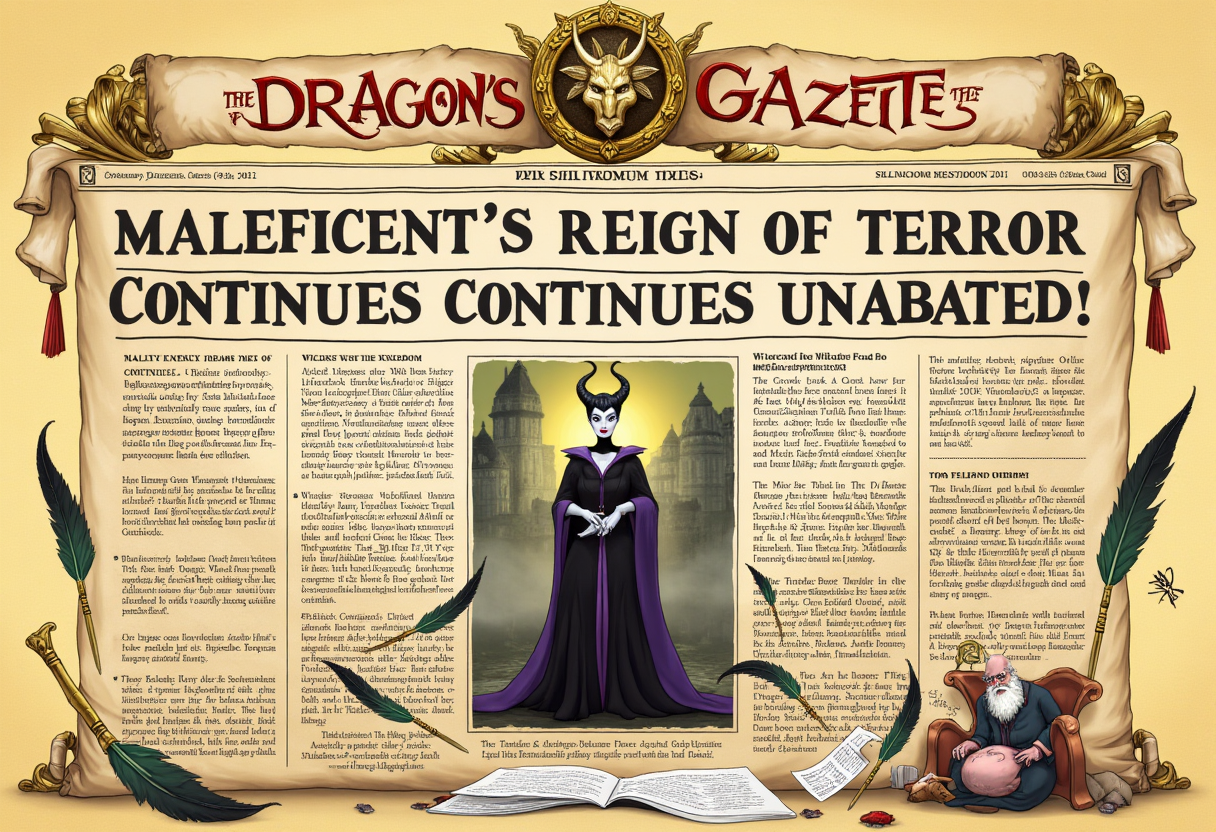
Maleficent’s bad reputation was partly media-driven.”
Angelina Jolie's Impact on Maleficent's Public Image
Angelina Jolie's portrayal of Maleficent in the 2014 film brought a new level of depth to the character. With cheekbones sharp enough to match her iconic horns, Jolie's performance was both captivating and nuanced. Her interpretation showed that even the most villainous characters can be multifaceted.
Cheekbones Sharp Enough to Match the Horns
Jolie's physical presence on screen was undeniable, but it was her ability to convey vulnerability and strength that truly redefined Maleficent. This portrayal not only changed how audiences perceived the character but also influenced how future adaptations would approach her story.
Let's take a look at how different adaptations have impacted Maleficent's character over time:
Adaptation Year Impact on CharacterDisney's Sleeping Beauty1959Established Maleficent as the primary villainMaleficent (film)2014Humanized Maleficent, adding depth to her characterMaleficent: Mistress of Evil2019Further explored Maleficent's complexities and relationships
Other Misunderstood Dragons in Pop Culture: Maleficent's Support Group
It's not just Maleficent who's been wrongly villainized – a whole cast of dragons in pop culture are joining her support group to set the record straight. From literature to film, these dragons have been misjudged, and it's time to give them a fair shake.
Smaug's Hoarding: Just a Misunderstood Collector
Smaug, the infamous dragon from The Hobbit, is often criticized for his love of treasure. However, we argue that he's just a sophisticated collector with a keen eye for value.
It's Not Greed, It's Advanced Treasure Appreciation
Smaug's vast knowledge of precious items and his ability to curate an impressive collection make him more connoisseur than covetous creature.
DragonCommon MisconceptionRealitySmaugGreedy hoarderSophisticated collectorToothlessFearsome Night FuryLoyal companion
Toothless: The Poster Child for Dragon Rehabilitation
Toothless, the Night Fury from How to Train Your Dragon, has come a long way from being a feared creature to a beloved character. His transformation shows that even the most intimidating dragons can change.
From Night Fury to Fury Cuddles
Toothless's journey from a fearsome dragon to a cuddly companion highlights the potential for rehabilitation and friendship between humans and dragons.
In conclusion, Maleficent's support group is full of dragons who've been misjudged by pop culture. By examining their stories, we can see that there's more to these creatures than meets the eye.
Conclusion: Embracing Your Inner Maleficent
We've journeyed through the misunderstood world of Maleficent, and it's clear that being a villain isn't all it's cracked up to be. Yet, we can't help but feel a little envious of her confidence and fiery spirit. Embracing your inner Maleficent means tapping into that inner strength and charisma – and who wouldn't want a little bit of that?
Villain empowerment is all about owning your narrative, just like Maleficent does. It's about being unapologetically yourself, even if that means being a little bit "bad." So, the next time you're feeling like a Sleeping Beauty-type wallflower, channel your inner dragon and breathe some fire into your life. After all, a little bit of villainy can be a good thing – it can make you more interesting, more confident, and more willing to take risks.
As we wrap up our exploration of Maleficent's world, we invite you to embrace that inner spark of mischief. Whether you're a Disney fan or just a lover of all things dragon, there's something to be said for letting your inner Maleficent shine. So go ahead, spread your wings, and show the world your fiery side – just maybe keep the cursing to a minimum.
FAQ
What inspired Maleficent's character design?
Maleficent's character design was inspired by a combination of different animals, including dragons and ravens, with her iconic horns being a distinctive feature.
Is Maleficent's dragon form a result of magic or a natural ability?
In the Disney universe, Maleficent's ability to transform into a dragon is depicted as a magical power, showcasing her mastery over dark magic.
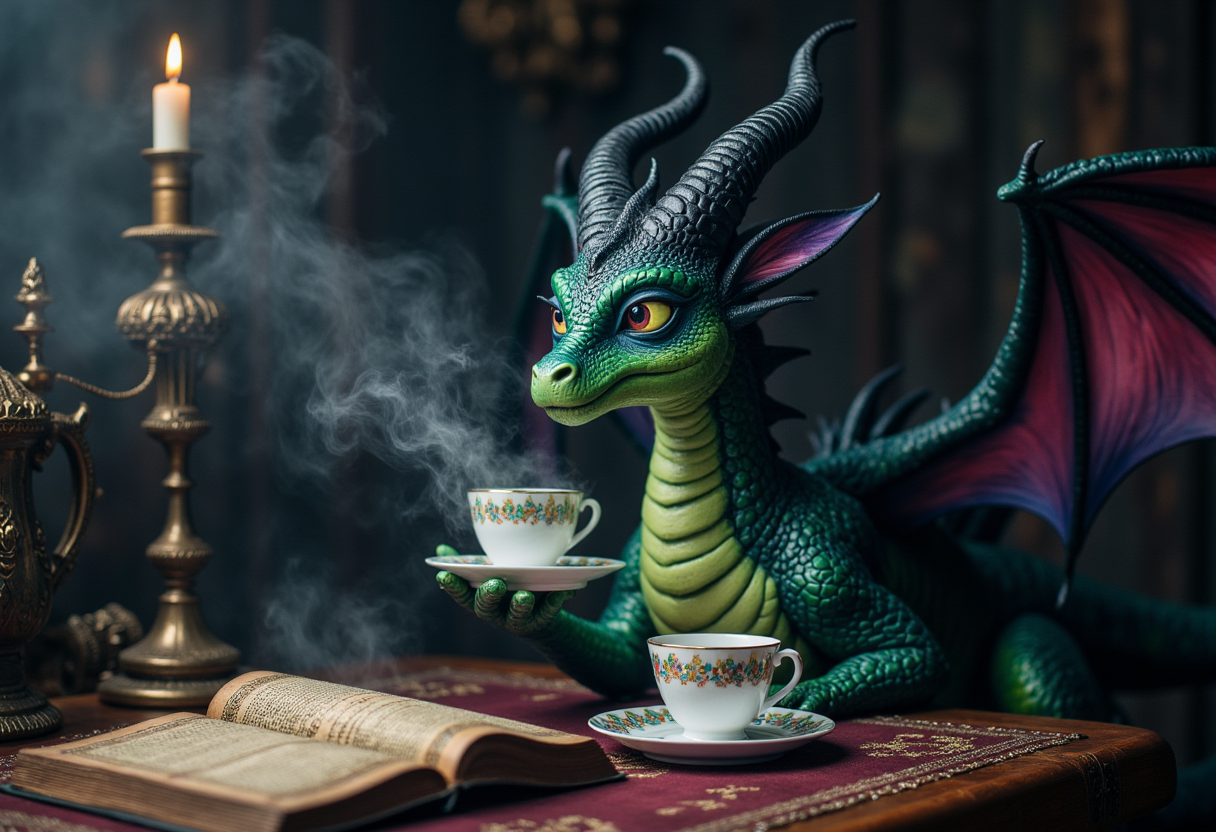
“Even dragons have morning routines—Maleficent’s includes a little fire and a lot of sass.”
How has Maleficent's character evolved over time in popular culture?
Maleficent's character has undergone significant evolution, from being portrayed as a one-dimensional villain to a complex, multidimensional character with a rich backstory, as seen in the 2014 film starring Angelina Jolie.
What is the significance of Maleficent's curse on Aurora?
The curse on Aurora is a pivotal plot point in Sleeping Beauty, driven by Maleficent's desire for revenge against King Stefan for not inviting her to the princess's christening, highlighting themes of exclusion and vengeance.
Can Maleficent be considered an anti-hero?
With the release of the 2014 film Maleficent, the character's portrayal shifted towards a more sympathetic, anti-heroic interpretation, inviting audiences to see her as a complex figure driven by understandable motivations.
How does Maleficent's character compare to other dragons in pop culture?
Maleficent shares similarities with other dragons in pop culture, such as Smaug from The Hobbit and Toothless from How to Train Your Dragon, in that they are all complex characters with nuanced motivations, often eliciting both fear and sympathy.
What role does humor play in reinterpreting Maleficent's character?
Humor allows for a fresh, lighthearted take on Maleficent, enabling reinterpretations that highlight her relatable qualities and the absurdities of her situation, making her a more endearing character.
Are there any deleted scenes or alternate storylines involving Maleficent that offer alternative insights into her character?
Yes, there are several deleted scenes and alternate storylines that provide additional context to Maleficent's character, including scenes that humanize her and offer alternative motivations for her actions.
Stay Unwritten. Share the story.
— Earl Lee
