The Moonshiners of North Florida
Hidden stills, coded signals, and violent protection of secrecy
Moonshiners in North Florida were illegal distillers who produced alcohol in hidden forest stills, using coded signals and secrecy to avoid law enforcement, especially during Prohibition.
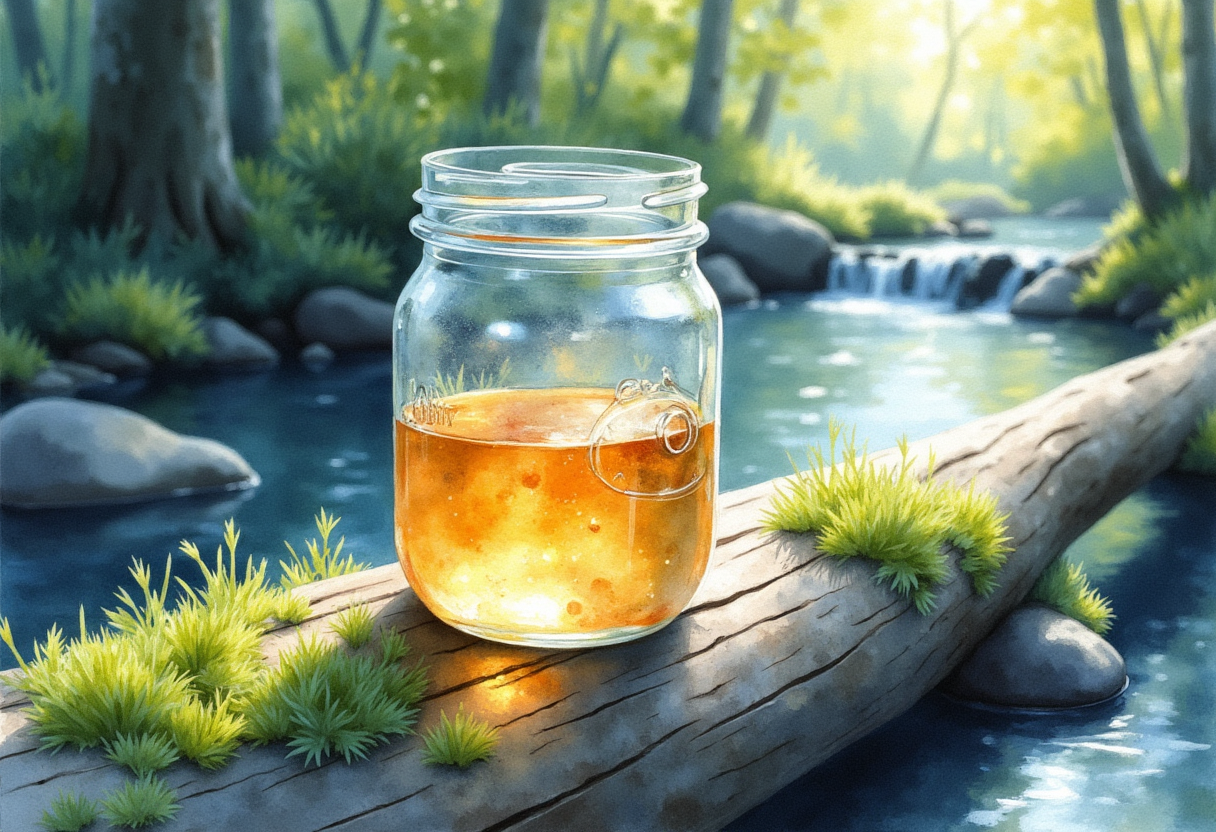
concealed moonshine still in a wooded ravine”
Long before Florida sold sunshine and mouse ears, the northern half of the state ran on secrecy.
Not the playful kind.
The kind that smelled like pine sap, corn mash, and gun oil.
In the clay hills and tangled forests of North Florida, moonshiners built a parallel economy. They hid their stills deep in ravines, spoke in codes that sounded harmless to outsiders, and protected their operations with a seriousness that could turn deadly. This was not folklore meant for postcards. This was survival, defiance, and sometimes outright war.
Welcome to the shadow industry that helped shape North Florida’s reputation for being… different.
Why North Florida Became Moonshine Country
When people imagine moonshine, they picture Appalachia. But North Florida shared the same ingredients that made illicit distilling thrive.
Dense forests.
Sparse law enforcement.
Generations of families used to living off the land.
From the Panhandle down through the Suwannee River basin, communities were isolated and poor. Cash was scarce. Crops failed. Lumber towns boomed and vanished. Moonshine filled the gaps left behind by a shaky economy.
Corn was cheap. Sugar could be acquired quietly. Water was everywhere. And if you knew the land well enough, you could disappear into it.
Add Prohibition to the mix, and the business exploded.
Hidden Stills and the Art of Vanishing
Moonshiners didn’t just build stills. They engineered invisibility.
A proper still site was chosen like a military position:
Near a clean water source
Downwind from settlements
Hidden by palmetto, pine, or cypress
Accessible only by foot, often through winding, misleading paths
Some stills were buried into creek banks with smoke vents routed through hollow logs. Others were disguised as turpentine setups or hunting camps. Fires were kept low and burned with fuels that produced minimal smoke.
If smoke rose straight into the air, it could give away everything.
And if a still was discovered, it was abandoned instantly. Equipment could be rebuilt. People could not.
Signals, Codes, and Silent Warnings
Talking openly about moonshine was an invitation to prison or worse.
So moonshiners spoke in riddles.
A comment about “feeding hogs” might mean a batch was ready.
“Fishing tonight” could mean a run was planned.
A lantern hung on a fence post might signal danger.
A rag tied to a pine branch could mean the trail was watched.
Even children were taught what not to say. Outsiders were noticed immediately. Questions were answered politely but vaguely. Curiosity was met with smiles that never reached the eyes.
The land itself became a message board for those who knew how to read it.
Violence in Defense of Secrecy
Moonshine wasn’t just illegal. It was valuable. And anything valuable invites conflict.
Rival shiners sabotaged each other’s stills. Informants were feared more than lawmen. Revenue agents, known locally as “revenuers,” were treated as invading forces.
Ambushes happened.
Booby traps were not uncommon. Tripwires. Covered pits. Shotguns rigged to trails. Some stories are exaggerated, but enough are true to make the fear justified.
If someone was suspected of talking, consequences could be severe. Beatings. Exile. In the worst cases, people simply vanished into the woods they once knew too well.
This was not random cruelty. It was enforcement of silence.
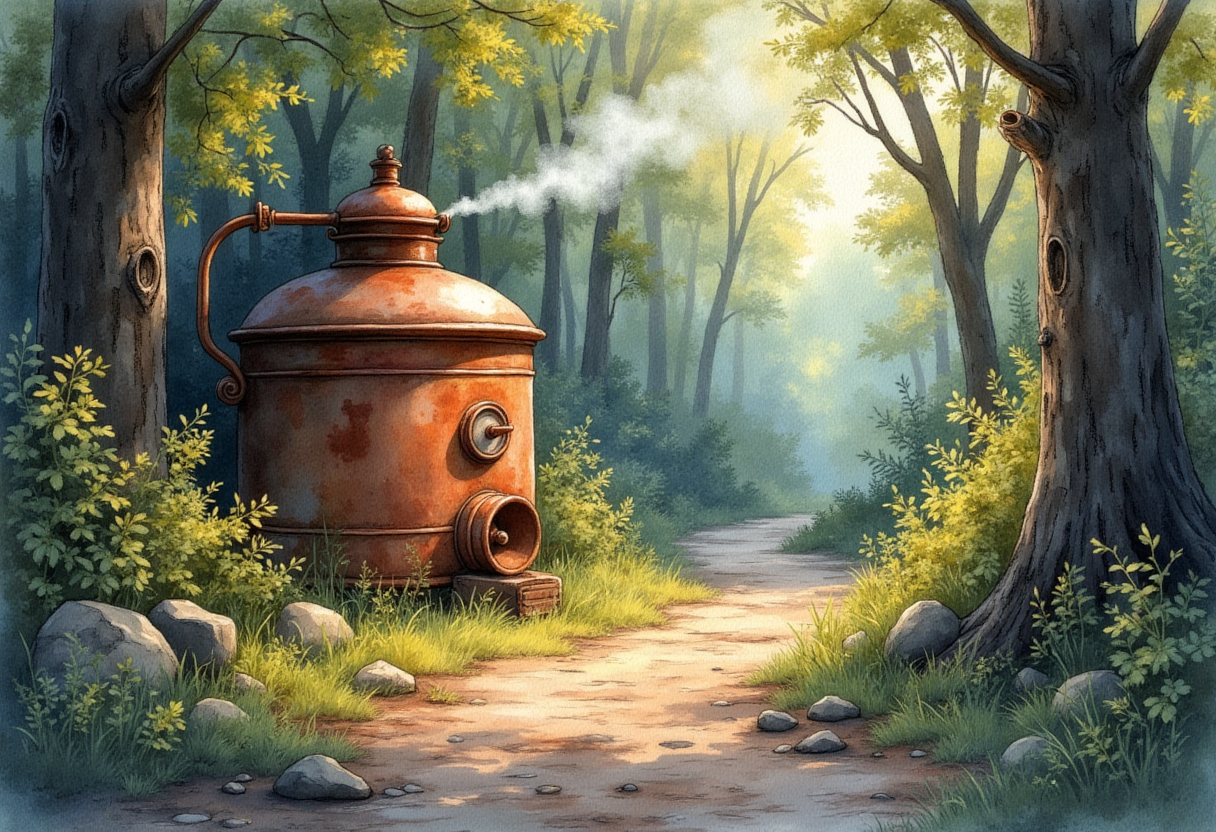
“Illustration of a concealed moonshine still in a wooded ravine”
The Law vs the Woods
Federal agents learned quickly that North Florida did not cooperate.
Sheriffs were often related to the very families they were supposed to police. Juries refused to convict. Witnesses forgot what they’d seen. Evidence went missing.
When raids did happen, moonshiners often knew in advance. Someone’s cousin worked in town. Someone overheard something at a feed store. Someone noticed unfamiliar tire tracks.
The woods always heard first.
Moonshine as Community Glue
Despite the danger, moonshine was woven into everyday life.
It was medicine for toothaches and colds.
It was currency when cash ran out.
It fueled dances, wakes, weddings, and long nights of storytelling.
In some communities, the moonshiner wasn’t a criminal. He was the guy who kept food on tables when the mill shut down. The one who helped neighbors quietly and asked no questions.
The law called it crime. Locals called it getting by.
Decline, Disappearance, and Lingering Echoes
As roads improved, technology advanced, and enforcement modernized, traditional moonshining faded. Commercial liquor became cheap and legal. Risks outweighed rewards.
But the culture never fully disappeared.
Old still sites still turn up in the woods. Rusted barrels. Copper coils tangled with vines. Sunken clearings where nothing grows quite right.
And every so often, someone swears they’ve tasted the real thing. Clear as glass. Strong enough to light a memory on fire.
Why the Stories Still Matter
The moonshiners of North Florida weren’t romantic outlaws or cartoon villains. They were products of their environment, shaped by hardship, geography, and a deep distrust of outside authority.
Their legacy explains a lot about the region:
Fierce independence
Suspicion of government
Loyalty to family over law
Silence as a survival skill
These stories aren’t about alcohol. They’re about control, resistance, and the lengths people go to protect what little they have.
And if you walk the backwoods of North Florida long enough, you might still feel it. That sense that the trees are watching. That some paths aren’t meant for strangers.
The woods remember.
“Florida Unwritten runs on stories, sunburn, and caffeine.
If you enjoyed this, you can buy me a coffee. No pressure.”
Earl Lee
Florida Unwritten
