Why Florida Feels Like Its Own Country
Accents, customs, and laws of nature slightly bent
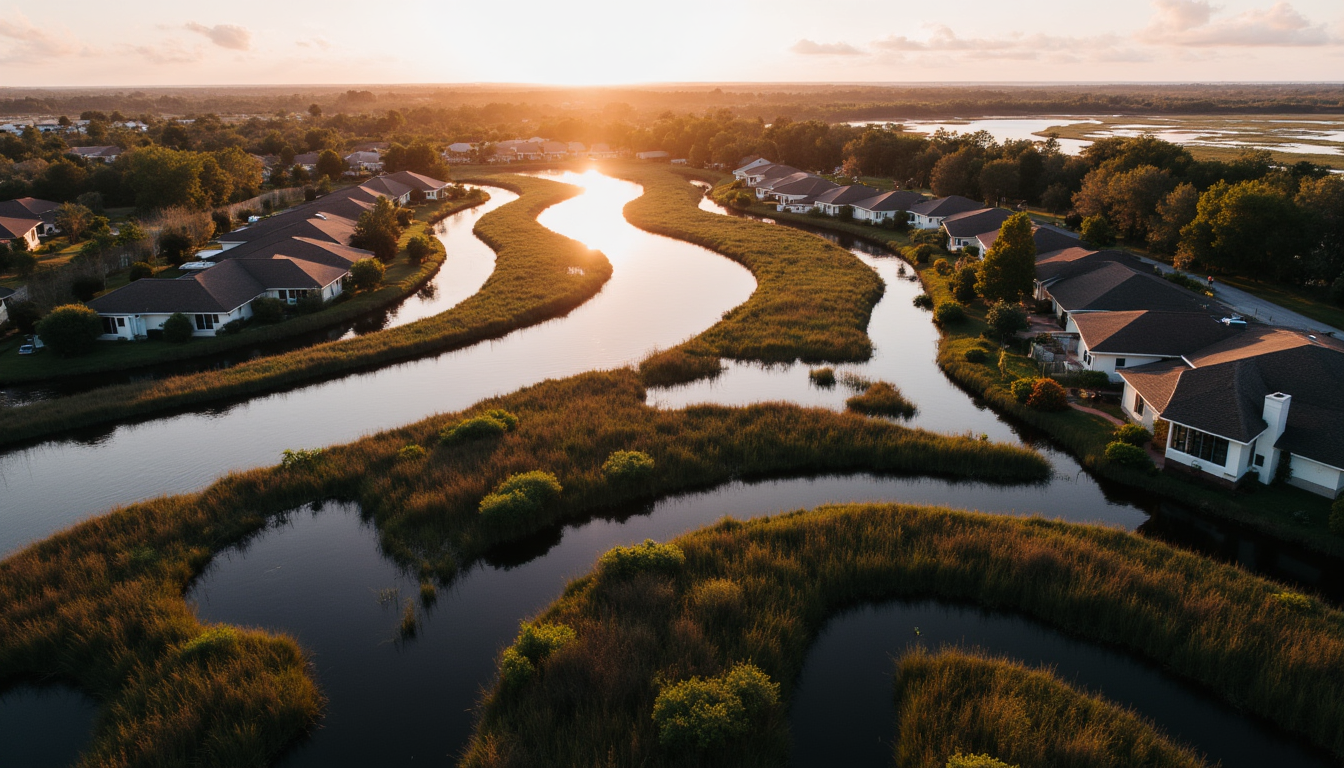
view of a serene Florida wetland ecosystem
Florida is technically a state, but anyone who has lived here longer than a Publix BOGO sale knows better.
States have borders. Florida has thresholds. Cross one, and suddenly the rules loosen, vowels stretch,
Wildlife gains opinions, and time stops pretending it moves in straight lines.
If Florida were a country, its national animal would be the iguana, its official weather report would read “Yes,”
and its anthem would be interrupted halfway through by thunder, traffic, or a man explaining how things were done in 1978.
This is not a complaint. This is a travel advisory.
The Accents: A Linguistic Reef
Florida accents do not blend. They stack.
You can hear three in a single sentence at a gas station. A Midwestern apology. A Caribbean rhythm.
A Southern drawl that sounds like it’s been marinating in heat since Eisenhower.
Head north, and the vowels lengthen until words lean back in their chairs.
Southbound, consonants relax, syllables sway, and English starts borrowing confidence from Spanish,
Creole, and something that sounds like it learned grammar during a boat ride.
Florida does not correct accents. It collects them.
Like shells. Like stories. Like people who meant to stay a week.
Customs: The Unwritten Constitution
Florida runs on rules that were never passed, only understood.
Flip-flops count as formal footwear after sunset.
Weather is discussed as if it were a recurring character with mood swings.
Everyone has a hurricane story, even if they moved here last Tuesday.
If a road floods, you do not panic. You assess. Someone will drive through it anyway.
There is also a local understanding that certain things are not strange,
merely regional. Alligators in retention ponds. Chickens with opinions.
Fishing before work. Fishing after work. Fishing instead of work.
In Florida, normal is a rumor.
The Wildlife: Citizens First, Residents Second
Florida wildlife does not behave like wildlife. It behaves like neighbors.
The alligator does not hide. It loiters.
The pelican does not fish. It supervises.
The manatee moves through the water like a retired librarian who refuses to be rushed.
Animals here have the confidence of locals. They cross roads without asking. They occupy golf courses.
They appear in news reports like regulars at city council meetings.
You don’t “spot” wildlife in Florida. You acknowledge it. Briefly. Respectfully. From a safe distance.
The Weather: A Law Unto Itself
Florida weather is less a system and more a suggestion.
Sunshine arrives aggressively. Rain appears uninvited, often sideways.
Storms form with no warning and leave like they forgot something in the car.
Humidity acts as an additional atmospheric layer. It presses down gently at first, then refuses to leave.
Locals do not check forecasts. They check the sky. They smell the air.
They listen for that moment when the cicadas go quiet, which is Florida’s version of a drumroll.
In this country, the weather does not happen to you. You happen inside it.
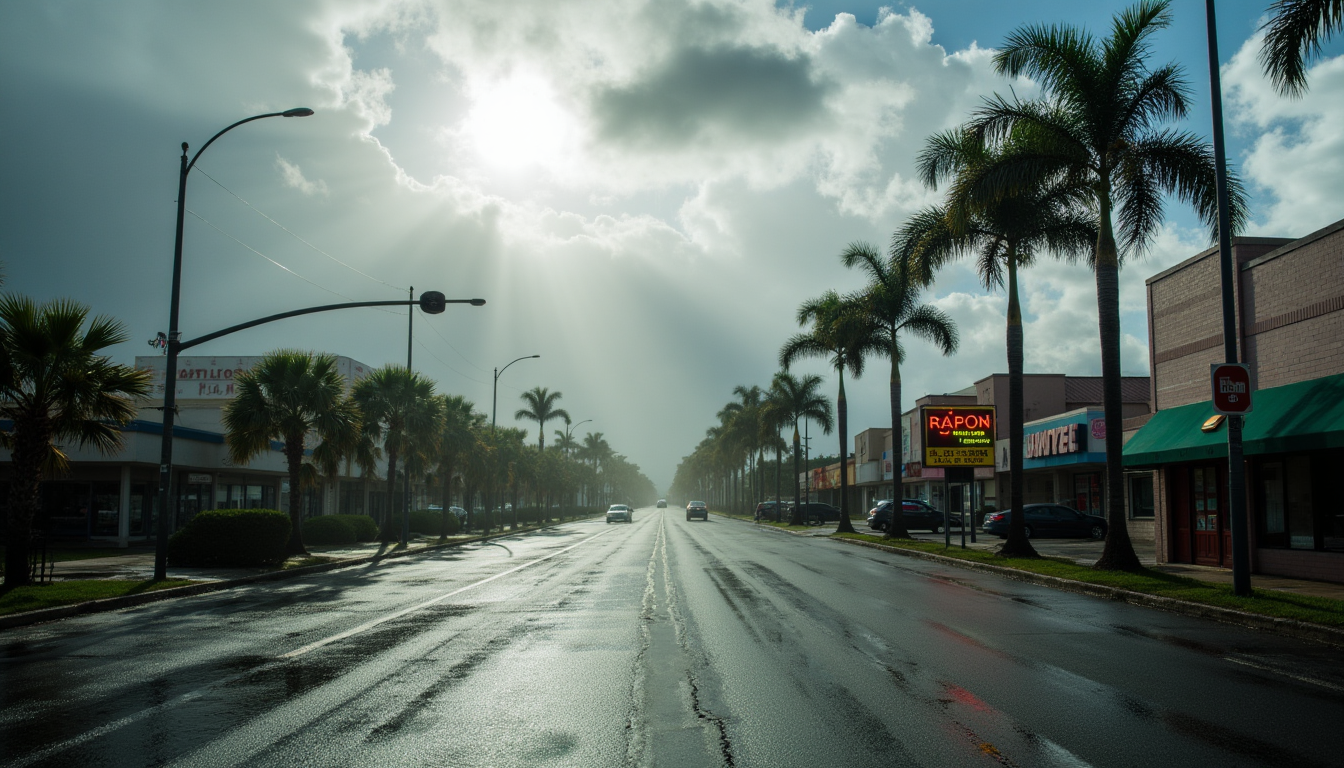
A Florida street split between bright sunshine and a sudden tropical rainstorm
Time: A Flexible Agreement
Florida time operates on a different calendar.
Morning starts when it feels like it. The afternoon lasts forever. Evening sneaks in early and overstays its welcome.
Retirement happens young. Youth lingers long.
Everything moves slowly until it suddenly doesn’t.
Construction projects age like folklore. A road closure may outlive a generation. A detour becomes tradition.
Nobody is late. They are “almost there.”
The Geography: A Floating Identity
Florida does not feel anchored. It feels temporary.
The land was once sea. It may be again. Roads curve around water that wasn’t there last year.
Neighborhoods sit atop coral, sand, and decisions made during storms.
This creates a mindset. A sense that permanence is optional. That everything is borrowed.
That living lightly makes sense when the ground itself is undecided.
Florida doesn’t resist change. It absorbs it.
The People: Naturalized Floridians
Most Floridians are from somewhere else. The rest claim they were always here, even if records suggest otherwise.
This creates a strange national pride. Not based on origin, but survival.
You earn your place by learning:
Which bugs to ignore
Which storms to respect
Which months to stop complaining about the heat
Once you do, Florida adopts you. Quietly. Without ceremony. Like a tide that stops pulling you back.
So Is Florida Its Own Country?
On paper, no.
In practice, yes.
It has its own climate rules, cultural mashups, wildlife treaties,
and emotional weather systems. Its borders are psychological.
Its citizens are resilient, adaptable, and deeply familiar with inconvenience.
Florida does not ask you to understand it. It asks you to stay alert.
And once you do, you may realize you’ve crossed more than a state line.
You’ve crossed into a place that doesn’t quite belong to the rest of the map.
“Florida Unwritten runs on stories, sunburn, and caffeine.
If you’d like to support the work, you can buy me a coffee — no pressure.
Earl Lee
