Freshwater Fishing in Florida: Best Tips, Baits, and Techniques
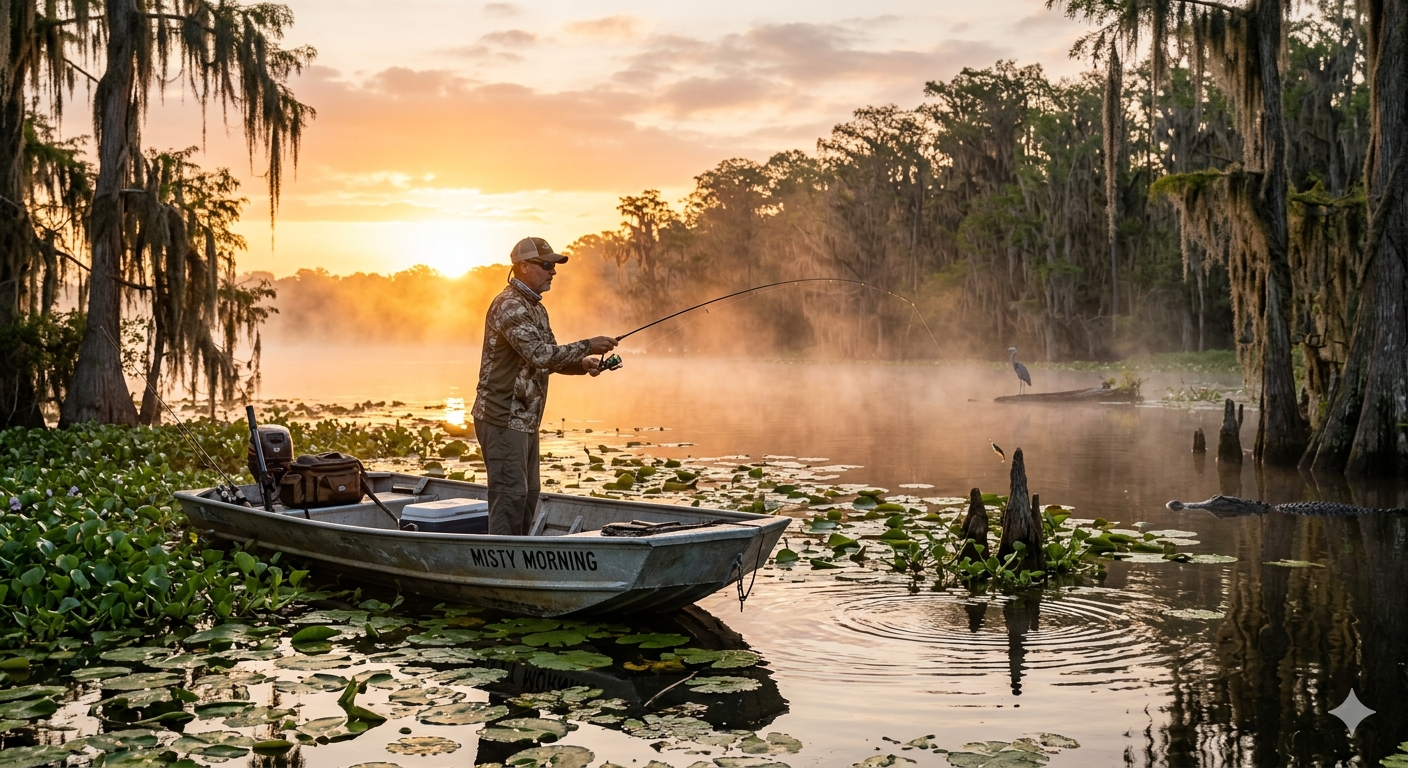
Sunrise over a freshwater Florida lake
Chasing Largemouths, Lazy River Catfish, and the Quiet Magic Between the Casts
There’s a certain kind of silence that only exists beside freshwater in Florida.
Not beach silence. Not city silence.
This one hums with dragonflies, distant osprey cries, and the tiny plunk of something moving beneath the lily pads. It lives in places where the air smells faintly of sunscreen and swamp water,
where old jon boats creak against wooden docks, and where somebody’s granddad still swears the biggest bass in the county lives “right under that cypress tree.”
Freshwater fishing in Florida isn’t just a hobby. It’s practically woven into the state’s humidity.
From hidden farm ponds to sprawling lakes that look like inland oceans, Florida offers anglers an ever-changing puzzle of water, weather, and wild instinct. Some days the fish hit everything you throw. Other days, they act like union workers on lunch break. That’s part of the charm.
Whether you’re tossing soft plastics at sunrise or soaking live bait under a drifting cork, understanding the rhythms of freshwater fishing can turn an ordinary day on the water into the kind you replay in your head all week long.
Understanding Florida’s Freshwater Fishing Patterns
Florida’s freshwater systems are wonderfully unpredictable.
One lake may be loaded with hydrilla and trophy bass, while the next feels more like a catfish kingdom wrapped in cypress knees and tannin-dark water.
The key to successful freshwater fishing is learning how fish behave in different environments.
Bass Love Ambush Points
Largemouth bass are Florida royalty. They hide near vegetation, submerged timber,
docks, and drop-offs waiting to explode on passing prey like underwater linebackers with anger issues.
Early mornings and late evenings are usually prime feeding windows, especially during warmer months when midday heat pushes fish deeper into cover.
Catfish Follow the Scent Trail
Catfish are less concerned with visual presentation and more interested in smell. Cut bait, chicken liver, shrimp, or nightcrawlers often work beautifully, especially after rain when rivers become slightly murky.
And yes, Florida catfish somehow always manage to slime absolutely everything they touch. Rod handles. Shirts. Coolers. Reality itself.
Seasonal Changes Matter
Florida doesn’t experience dramatic winters like northern states, but subtle temperature shifts still affect fish activity.
Spring: Spawning season creates aggressive bass behavior
Summer: Fish move deeper during midday heat
Fall: Feeding activity increases before cooler weather
Winter: Slower presentations often produce better results
The anglers who adapt to these seasonal rhythms usually outfish the ones throwing the same lure year-round like stubborn backyard philosophers.
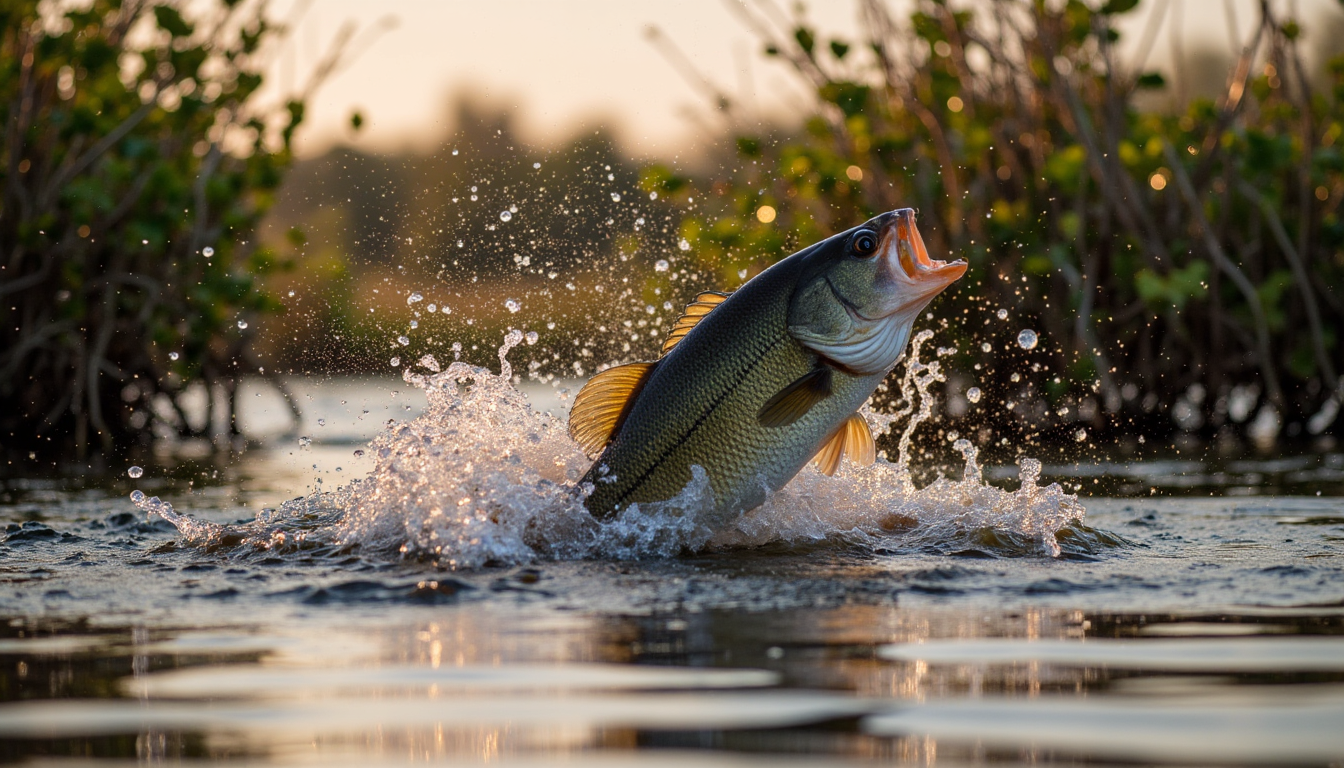
A largemouth bass exploding through the surface near thick hydrilla vegetation in a Florida
Why Local Knowledge Changes Everything
Every Florida lake has its own personality.
Some waters fish beautifully after afternoon rainstorms. Others shut down completely when barometric pressure changes. A local bait shop conversation can sometimes save you six hours of casting into fishless water.
Talking with local guides and longtime anglers often reveals:
Productive shoreline structures
Seasonal migration patterns
Effective bait colors
Water depth changes
Feeding windows unique to that lake
In Florida, fishing advice is usually delivered with equal parts wisdom and storytelling exaggeration.
“The bass were so thick last Tuesday they almost tipped the boat.”
Sure, Earl. Sure they did.
Still, local insight matters.
It also helps anglers stay informed about conservation efforts, bag limits, and lake regulations that protect Florida’s freshwater ecosystems for future generations.
☀ Every Friday, We Head Back Out
Every Friday, another piece of old Florida drifts in—True stories, fishing stories, backroads, quiet places, and the kind of truth you won’t find on a billboard.
Pull up a chair. We’ll save you a spot.
👉Join the newsletter and get it in your inbox every Friday.
Choosing the Right Gear Without Overcomplicating It
Fishing stores can feel like sporting goods casinos. Endless aisles. Neon packaging. Lures named things like Atomic Craw Rage Beast 3000.
Truthfully, most freshwater anglers only need reliable basics.
Rods and Reels
Medium spinning combos work well for beginners and versatile fishing
Baitcasters offer precision for bass anglers targeting cover
Lighter tackle improves sensitivity for panfish and finesse techniques
Heavier setups help when targeting larger catfish or thick vegetation
A quality rod doesn’t need to cost half your rent. It just needs to feel balanced in your hands and dependable when the line suddenly tightens.
Line Selection
Braided line works well in heavy vegetation
Fluorocarbon becomes nearly invisible underwater
Monofilament remains forgiving and beginner-friendly
Florida water clarity changes constantly, so adjusting line type can sometimes make a noticeable difference.
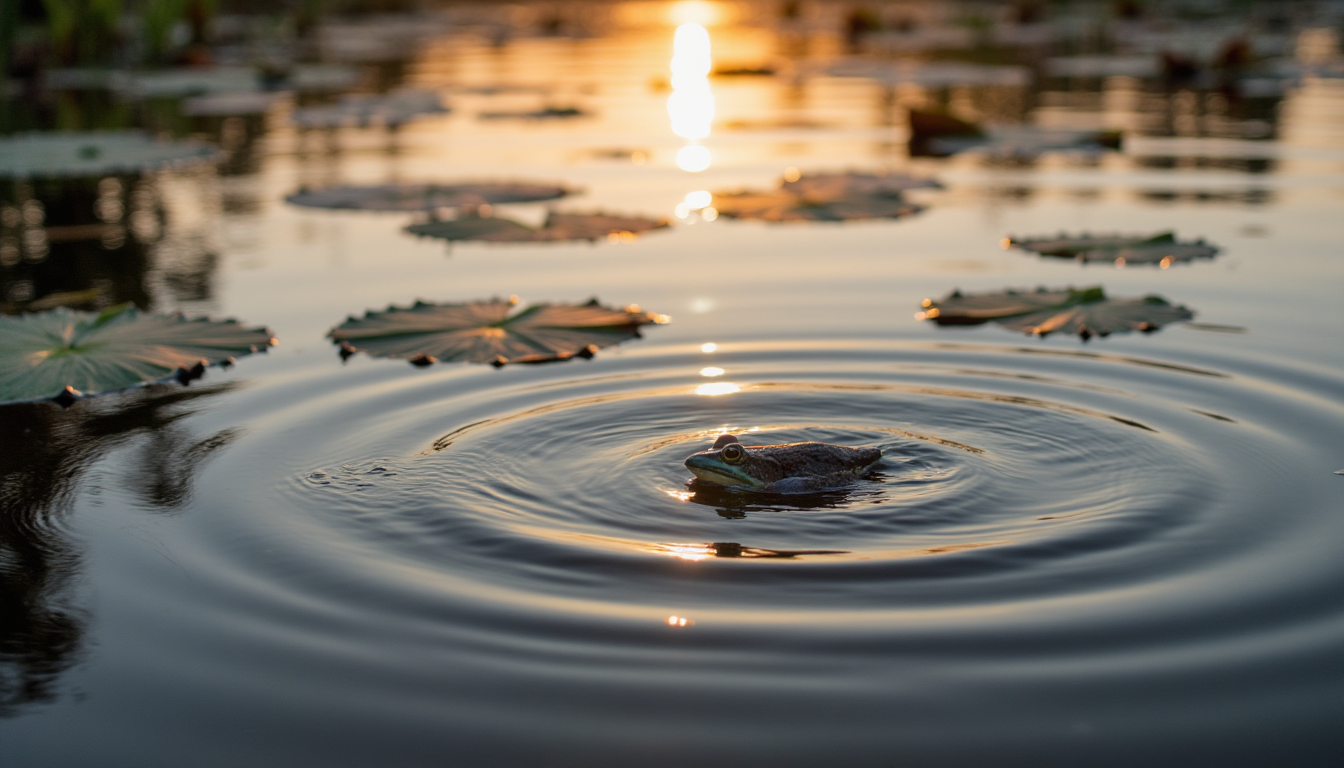
Topwater Morning Topwater frog lure skimming across lily pads
The Most Popular Freshwater Baits and Lures in Florida
Every angler eventually develops irrational confidence in one lure.
A scratched-up crankbait. A faded worm. A spinnerbait held together mostly by optimism.
Still, certain baits consistently produce results across Florida waters.
Live Baits That Still Outperform Fancy Gear
Live bait remains wildly effective because it matches what fish already eat naturally.
Popular options include:
Wild shiners
Nightcrawlers
Crickets
Shrimp
Cut bait for catfish
Shiners, especially, are legendary among Florida bass anglers chasing trophy fish.
There’s something wonderfully old-school about watching a cork drift quietly before disappearing beneath the surface like it just got yanked into another dimension.
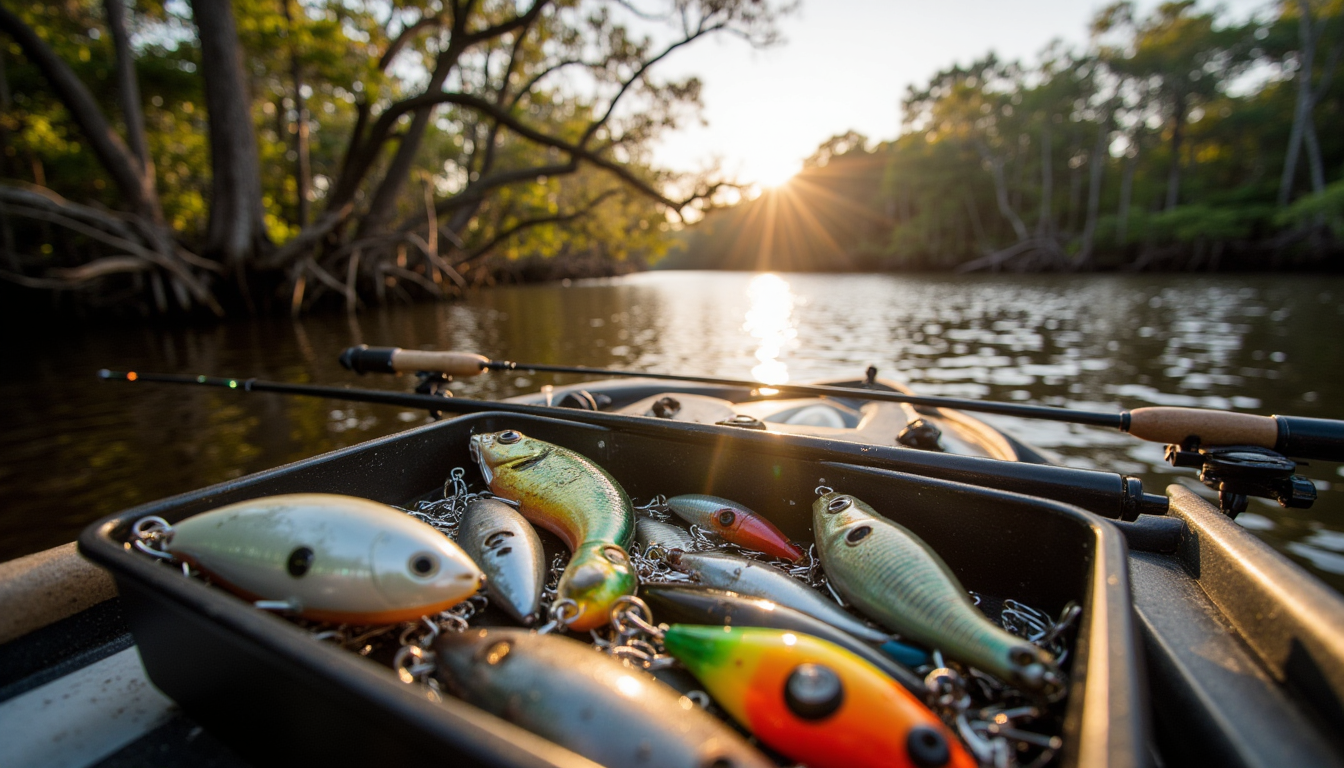
Artificial Lures That Florida Anglers Swear By
Artificial lures allow anglers to cover water faster and trigger reaction strikes.
Spinnerbaits
Excellent around grass lines and stained water. Their flash and vibration help fish locate them quickly.
Crankbaits
Perfect for exploring deeper structure and submerged ledges.
Soft Plastics
Perhaps the MVP of Florida freshwater fishing.
Texas-rigged worms, creature baits, and paddle tails can be fished nearly anywhere:
Thick vegetation
Docks
Open flats
Canal edges
Lily pad fields
Soft plastics are endlessly versatile and often fool fish that ignore louder presentations.
Missed Part 1? https://surl.li/cqhajq
Techniques for Targeting Specific Freshwater Species
Fishing isn’t only about location. Retrieval style matters too.
Sometimes changing how you move the bait matters more than changing the bait itself.
For Largemouth Bass
Slow-roll spinnerbaits near vegetation
Flip soft plastics into heavy cover
Work topwater lures early morning
Pause frequently during retrieves
Bass often strike during the pause, which feels deeply unfair considering you technically stopped working.
For Bluegill and Panfish
Use light tackle and small presentations:
Tiny jigs
Crickets under corks
Beetle spins
Worm pieces
These species are perfect for kids and beginners because action stays consistent and joyful.
For Catfish
Patience wins.
Anchor near deeper holes or current breaks and allow scent to do the work. Catfish fishing often becomes part fishing trip, part riverside meditation session.
Patience Is Still the Greatest Fishing Skill
Some days produce unforgettable catches.
Other days produce sunscreen burns, tangled line, and one suspicious turtle that keeps stealing bait.
Both count.
Freshwater fishing teaches patience in a way modern life rarely allows anymore. You can’t speed up a feeding pattern. You can’t algorithm your way into a trophy bass. The lake operates on its own schedule.
That’s probably why people keep coming back.
Because somewhere between the casts, the weather, the waiting, and the water itself, life quiets down for a while.
And that’s worth something.
Protecting Florida’s Freshwater Future
Florida’s lakes and rivers need stewardship just as much as they need anglers.
Practicing responsible fishing helps preserve these ecosystems for generations still waiting on their first cast.
🌊 SHARE THIS
Enjoying Florida Unwritten?
Forward this to a friend or share it—
That’s how these stories keep moving.
Smart Conservation Habits
Practice catch-and-release when appropriate
Respect size and bag limits
Properly dispose of fishing line
Avoid damaging shoreline vegetation
Use native bait species responsibly
Every healthy fishery depends on anglers who care about more than just the photo.
Because the goal isn’t simply catching fish today.
It’s making sure somebody else gets to feel that same electric tug twenty years from now beneath a Florida sunrise painted in pink, gold, and mosquito spray.
Follow the current.
Till next time. 🎣
Florida Unwritten
