A Tealess South?
As the South's favorite brew, sweet tea had to weather several economic storms. The tradition, deeply ingrained in Southern culture, faced numerous challenges that tested its resilience.
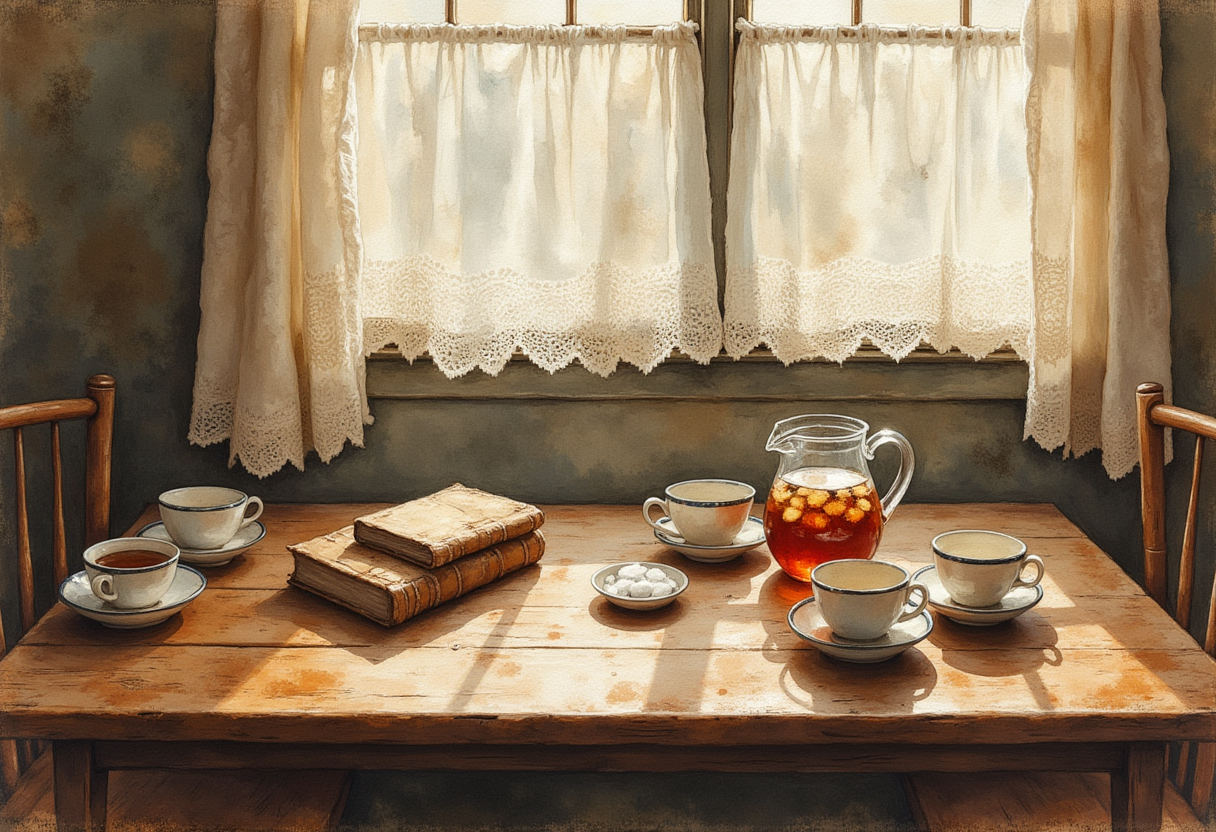
nostalgic Southern kitchen during
Sugar Rationing During Wartime
One of the most significant economic challenges came during wartime when sugar rationing became a reality. The scarcity of sugar forced Southern households to get creative with their sweet tea recipes. Some used alternative sweeteners like honey or molasses, while others reduced the amount of sugar in their tea or even skipped it altogether.
"During World War II, sugar rationing was so strict that it became a national pastime to find substitutes for sugar. For sweet tea enthusiasts, this meant getting inventive with their recipes."
The Cost of Maintaining the Tradition
Maintaining the sweet tea tradition wasn't just about dealing with sugar shortages; it was also about the financial strain of purchasing the necessary ingredients. During economic downturns like the Great Depression, families had to be resourceful to keep their tea sweet.
Depression-Era Adaptations
During the Great Depression, Southern families adapted by making their own sugar or using cheaper alternatives. This resourcefulness helped keep the sweet tea tradition alive despite the economic hardships.
EraEconomic ChallengeAdaptationWartimeSugar RationingAlternative SweetenersGreat DepressionFinancial StrainMaking Own Sugar
The sweet tea tradition in the South is a testament to the region's ability to adapt and persevere through economic challenges. Despite the difficulties, the tradition remained a staple of Southern hospitality.
The Commercial Beverage Revolution
The rise of commercial beverages marked a significant shift in Southern culture, pitting convenience against tradition. As the 20th century progressed, the way Southerners consumed their tea began to change, influenced by the growing presence of commercial soft drinks.
The Cola Wars and Southern Dominance
Coca-Cola, with its origins in the South, became a dominant force in the region's beverage landscape. The company's strategic marketing and distribution made it a household name, challenging the traditional sweet tea culture.
As Coca-Cola expanded its reach, it engaged in what can be described as "marketing wars" against homemade drinks. The company's campaigns were designed to appeal to the convenience and modernity that many consumers were seeking.
AspectTraditional Sweet TeaCommercial BeveragesPreparationHomemade, labor-intensiveReady-to-drink, convenientMarketingWord-of-mouth, community-drivenMass media campaigns, promotional offersCultural SignificanceDeep-rooted in Southern traditionGlobal brand, modern appeal
The Marketing War Against Homemade Drinks
The marketing efforts by commercial beverage companies were not just about selling a product; they were about changing a culture. By emphasizing convenience and consistency, these companies challenged the traditional values associated with homemade sweet tea.
"The soft drink industry's success in the South was not just about taste; it was about redefining what it meant to be a refreshing drink in a hot climate."
Convenience vs. Tradition
The tension between convenience and tradition became a defining characteristic of the Commercial Beverage Revolution. While commercial beverages offered ease and accessibility, they came at the cost of eroding a deeply ingrained cultural practice.
As we reflect on this period, it becomes clear that the rise of commercial beverages was not just a business phenomenon but a cultural shift that had lasting impacts on the South's identity.
Why Sweet Tea Began Disappearing from Southern Tables
As the South modernized, a beloved tradition began to fade - sweet tea was no longer the staple it once was on Southern tables. Several factors contributed to this decline, changing the way families interacted and their beverage preferences.
Changing Family Dynamics and Meal Traditions
The traditional Southern family structure, where multiple generations lived together or near each other, began to shift. As more women entered the workforce and family members moved away, the time and opportunity to brew sweet tea diminished. Families started to adopt quicker, more convenient meal and beverage options, moving away from the traditional slow-brewed sweet tea.
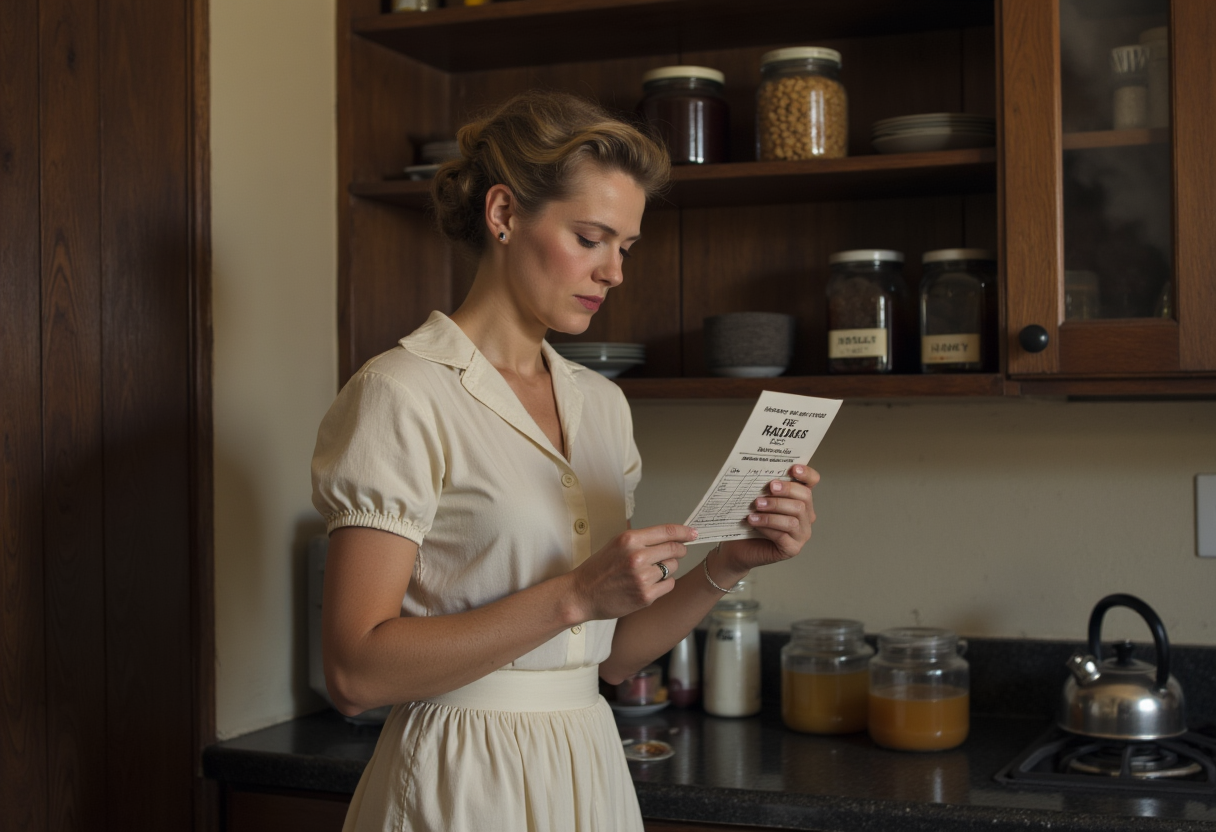
scene, a woman in a simple cotton dress
This shift was not just about time; it was also about changing tastes and lifestyles. With increased exposure to global cuisines and dietary habits, the traditional sweet tea was sometimes seen as old-fashioned or too sugary.
The Rise of Health Consciousness
As awareness about health and nutrition grew, so did concerns about sugar consumption. Sweet tea, made with significant amounts of sugar, became a target for health-conscious individuals and families.
Medical Warnings About Sugar Consumption
Doctors and health experts began warning about the dangers of excessive sugar intake, linking it to obesity, diabetes, and heart disease. Sweet tea, with its high sugar content, was caught in the crossfire. Many started to view it as an unhealthy choice, opting instead for unsweetened tea or other low-calorie beverages.
The Diet Soda Alternative
The rise of diet sodas offered a seemingly healthier alternative to sweet tea. With their promise of zero calories, diet sodas became an attractive option for those looking to reduce their sugar intake without giving up the fizzy, sweet taste they were accustomed to.
declining sweet tea consumption
These changes in family dynamics, meal traditions, and health consciousness collectively contributed to the decline of sweet tea on Southern tables. While it's still cherished in many households, its ubiquity has certainly diminished.

stirring tea with a wooden spoon, honey dripping slowly into a glass
The Darkest Period: 1970s-1990s Decline
From the 1970s through the 1990s, the South witnessed a significant decline in the traditional practice of brewing sweet tea. This wasn't just a minor dip; it was a full-blown crisis for sweet tea enthusiasts. As we look back, it's clear that two major factors contributed to this decline: the rise of fast food culture and a growing generation gap in sweet tea knowledge.
Fast Food Culture Replacing Home Cooking
The rise of fast food chains across the South marked a significant shift away from home-cooked meals and traditional beverages like sweet tea. Families that once gathered around the dinner table, sipping on glasses of freshly brewed sweet tea, began to opt for quicker, more convenient dining options. This shift wasn't just about the food; it was about a change in lifestyle and cultural values. As Colonel Sanders' fried chicken and Ronald McDonald's burgers became staples, the art of brewing sweet tea was all but forgotten.
The Generation Gap in Sweet Tea Knowledge
The generation gap played a crucial role in the decline of sweet tea. As younger generations moved away from home and traditional family recipes, the knowledge of how to brew the perfect glass of sweet tea was lost. The younger folks, busy with their new lives, didn't have the time or interest to learn the intricacies of sweet tea preparation from their elders. This break in the chain of tradition meant that recipes and techniques were left unpassed, leading to a significant loss of cultural heritage.
Lost Recipes and Techniques
The loss of traditional recipes and brewing techniques was a significant blow to the sweet tea culture. Many of these recipes, passed down through generations, were never written down, existing only in the memories of family matriarchs and patriarchs. As these elders aged, their knowledge went with them, taking with it the secrets of the perfect sweet tea. The table below highlights some of the key differences between traditional sweet tea brewing and modern practices.
AspectTraditional Sweet TeaModern PracticesSweetening MethodGranulated sugar added while tea is hotSimple syrup or artificial sweetenersBrewing TechniqueLong steeping times, often with black teaQuick brewing methods, varied tea typesCultural SignificanceCentral to family gatherings and hospitalityOften seen as just a beverage
The decline of sweet tea during the 1970s-1990s was a complex issue, influenced by cultural shifts and generational changes. Understanding these factors helps us appreciate the efforts being made to revive this beloved Southern tradition.
The Sweet Tea Renaissance Movement
After nearly disappearing from family tables, sweet tea has staged a triumphant return, thanks to the Southern food revival. This resurgence isn't just about a drink; it's about reclaiming a piece of Southern heritage. As we explore this renaissance, we'll see how various factors have contributed to putting sweet tea back on the map.
Southern Food Revival in American Cuisine
The revival of Southern cuisine has played a significant role in sweet tea's comeback. Restaurants and chefs across the country are now celebrating Southern comfort food, with sweet tea as its quintessential accompaniment. This revival is not just about food; it's about the culture and warmth associated with it.
As Southern cuisine gains popularity, so does its traditional beverage. The revival has sparked interest in traditional cooking methods and ingredients, including the art of brewing sweet tea.
Celebrity Chefs and Cultural Preservationists
Celebrity chefs have been instrumental in bringing sweet tea back into the limelight. By featuring it in their recipes and restaurants, they've introduced this Southern staple to a wider audience. Cultural preservationists have also played a crucial role by documenting and promoting the traditions surrounding sweet tea.
Documentaries and Cookbooks Celebrating Southern Drinks
Documentaries and cookbooks have been vital in preserving the cultural significance of sweet tea. These media not only share recipes but also tell the story behind this beloved drink, further fueling its renaissance.
FactorContribution to Sweet Tea RenaissanceSouthern Food RevivalIncreased popularity of traditional Southern cuisine, including sweet teaCelebrity ChefsPromoted sweet tea through various media and culinary eventsCultural PreservationistsDocumented and preserved the cultural significance of sweet tea
Modern Innovations Preserving an Endangered Tradition
We're witnessing a sweet revolution in the South, where traditional sweet tea is being reimagined. As we explore the modern innovations preserving this beloved drink, it's clear that the spirit of sweet tea is alive and thriving.
Commercial Sweet Tea Products
The rise of commercial sweet tea products has made it easier than ever to enjoy this Southern staple. Brands like Gold Peak and Argo Tea have brought sweet tea to the masses, offering a convenient alternative to brewing tea at home. These products have helped keep the tradition alive, even for those who don't have the time to make it from scratch.
Artisanal and Craft Sweet Tea Variations
On the other end of the spectrum, artisanal and craft sweet tea variations are pushing the boundaries of this classic drink. From handcrafted flavors to unique sweetener options, these innovative brews are attracting a new generation of sweet tea enthusiasts. Let's dive into some of the exciting developments in this space.
Alcoholic Sweet Tea Cocktails
One of the most intriguing trends is the rise of alcoholic sweet tea cocktails. By combining the comfort of sweet tea with the kick of spirits like bourbon or vodka, mixologists are creating refreshing drinks that are perfect for summer gatherings or lazy afternoons on the porch.
Organic and Alternative Sweetener Options
Another significant innovation is the use of organic and alternative sweeteners in sweet tea. As consumers become more health-conscious, tea makers are responding with options like honey-sweetened tea, organic cane sugar, and even stevia-infused brews. These alternatives not only cater to dietary restrictions but also offer new flavor profiles that are worth exploring.
As we look at these modern innovations, it's clear that the tradition of sweet tea is not only being preserved but also evolving. Whether you're a purist who likes it the old-fashioned way or an adventurous sipper eager to try new flavors, there's never been a more exciting time to be a sweet tea fan.
Conclusion:
We've sipped our way through the story of sweet tea, from its Southern roots to its near-disappearance and resurgence. As we reflect on sweet tea's legacy, it's clear this sweet, comforting drink is more than just a beverage - it's a symbol of Southern identity and a vital part of the region's cultural heritage.
The journey of sweet tea is a testament to the power of tradition and community. Despite facing challenges from commercial beverages and changing family dynamics, sweet tea has endured, adapting to the times while remaining true to its roots. Today, it's experiencing a renaissance, with artisanal variations and commercial products celebrating its rich history.

Southern family kitchen
As we raise a glass of sweet tea, we're not just quenching our thirst; we're participating in a cultural ritual that connects us to the South's history and people. Sweet tea's story is a reminder that even the most beloved traditions can face challenges, but with perseverance and a dash of creativity, they can continue to thrive, remaining an integral part of our shared heritage.
FAQ
What is sweet tea, and why is it significant in Southern culture?
Sweet tea is a staple in the South, made by brewing tea and adding sugar or simple syrup while the tea is still hot, giving it a distinctively sweet flavor. It's significant because it's a symbol of Southern hospitality and a part of the region's cultural heritage.
How did tea become a part of Southern culture?
Tea was introduced to America through ports in the South, and over time, it became sweetened and iced, a staple of Southern hospitality. The tradition was influenced by regional preferences and cultural exchange.
What are the different styles of sweet tea, and how do they vary?
There are regional variations, such as the Georgia style, which uses a stronger tea flavor, and the Carolina method, which is known for its lighter, more delicate taste. These differences reflect local preferences and traditions.
Why did sweet tea almost disappear from Southern tables?
Changing family dynamics, the rise of health consciousness, and medical warnings about sugar consumption contributed to sweet tea's decline. Additionally, the emergence of diet sodas and fast food culture also played a role.
What led to the resurgence of sweet tea in recent years?
The Southern food revival, efforts by celebrity chefs and cultural preservationists, and the celebration of Southern drinks through documentaries and cookbooks all contributed to the renaissance of sweet tea.
How are modern innovations preserving the sweet tea tradition?
Commercial sweet tea products, artisanal and craft variations, and new twists like alcoholic sweet tea cocktails and organic sweetener options are keeping sweet tea relevant and fresh.
What is the significance of sweet tea in Southern identity?
Sweet tea is an integral part of Southern identity, representing the region's cultural heritage and hospitality. Its resurgence reinforces its importance in Southern culture.
Can I make sweet tea at home, and what's the best way to do it?
Yes, you can make sweet tea at home by brewing tea and adding sugar or simple syrup while the tea is still hot. Experiment with different tea flavors and sugar levels to find your perfect blend.
Are there any health considerations when consuming sweet tea?
Yes, sweet tea is high in sugar, so moderation is key. You can also explore alternative sweeteners like honey or stevia to reduce the sugar content.
Stay Unwritten. Share the story.
Earl Lee
Florida Unwritten
